
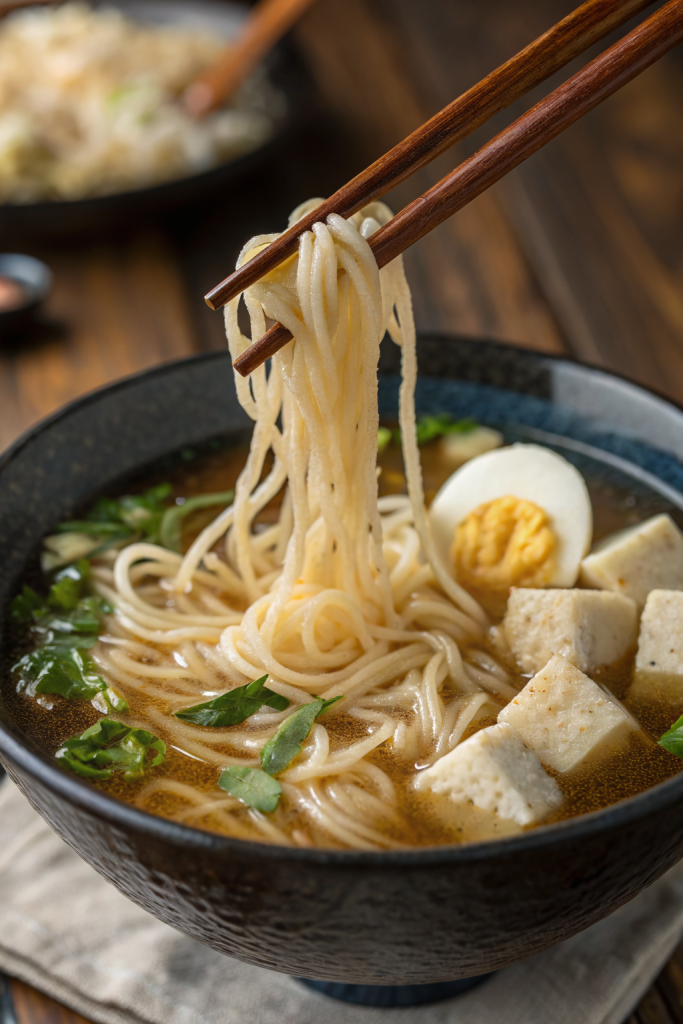
Harusame Japanese Glass Noodle Soup Recipe tastes light yet deeply savory, with slippery glass noodles, tender veggies, and a clean broth that comforts without feeling heavy, and it works perfectly for busy weeknights since it takes about 30 minutes from chopping board to table. This bowl suits anyone who loves Japanese flavors but wants something gentler than ramen and lighter than udon. I started making this on chilly New York evenings when I wanted a cozy dinner that still let me feel good about going back for seconds.
Why Make This Harusame Japanese Glass Noodle Soup Recipe at Home
Homemade Harusame Japanese Glass Noodle Soup gives you full control over salt, veggies, and protein, so you can keep it light or load it up. You skip the mystery ingredients and still get that restaurant-style flavor with simple pantry staples.
You also adjust the texture of the glass noodles exactly how you like them, from springy to extra soft. I also love that this recipe uses one pot and minimal chopping, which means less cleanup and more couch time.
“Clean, cozy, and full of flavor, this Harusame Japanese Glass Noodle Soup recipe tastes like something from a tiny Tokyo cafe ★★★★★”
Ingredients You Need
Here is everything you need for a classic, flexible Harusame Japanese Glass Noodle Soup recipe.
Glass noodles
- Harusame glass noodles (potato starch or mung bean starch, about 3–4 ounces / 85–115 g)
- I like Japanese brands such as Hikari or Harusame-labeled packs.
- Use Korean dangmyeon or Chinese mung bean vermicelli if you cannot find Japanese harusame.
Broth base
- 4 cups low-sodium chicken broth
- Use vegetable broth for a vegetarian version.
- 2 cups water
- 1 tablespoon hondashi granules (instant dashi stock)
- This adds deep umami quickly; if you skip it, increase soy sauce and add a piece of kombu during simmering.
- 2–3 tablespoons soy sauce
- Use low-sodium if you watch salt.
- 1 tablespoon mirin
- If you do not have mirin, use 1 tablespoon sake substitute or 1 teaspoon sugar.
- 1 teaspoon toasted sesame oil
- 1 teaspoon sugar (optional, to balance saltiness)
- Salt and white pepper to taste
Aromatics and vegetables
- 1 tablespoon neutral oil (canola, avocado, or light olive oil)
- 2 cloves garlic, minced
- 1 teaspoon fresh ginger, minced or grated
- 3–4 shiitake mushrooms, stems removed, thinly sliced
- Use cremini or button mushrooms if needed.
- 1 small carrot, julienned or cut into thin matchsticks
- 1 cup napa cabbage, thinly sliced
- Use green cabbage or bok choy if you prefer.
- 2 green onions, sliced (white and green parts separated)
Protein options
Pick one or mix a couple:
- 4–6 ounces thinly sliced chicken thigh or breast
- 4–6 ounces thinly sliced pork
- 4–6 ounces firm tofu, cut into small cubes
- 1 egg, lightly beaten (for egg drop style)
- A handful of cooked shrimp, peeled and deveined
Toppings and finishing touches
- Extra sliced green onions
- Toasted sesame seeds
- Chili oil or shichimi togarashi for heat
- A squeeze of lime or yuzu juice if you like a citrus kick
- Nori strips or furikake for extra umami
Equipment list
- Medium to large soup pot or Dutch oven
- Small bowl for soaking noodles
- Cutting board and sharp knife
- Measuring spoons and cups
- Ladle and tongs or chopsticks
Tips & Mistakes
- Soak the glass noodles in warm water for 10–15 minutes before cooking so they soften evenly and do not clump in the pot.
- Cut veggies into thin slices or matchsticks so they cook quickly and stay tender-crisp.
- Add delicate veggies like napa cabbage and green onion near the end so they keep color and texture.
- Season the broth gradually; taste after soy sauce and dashi, then adjust with salt, sugar, or more soy instead of dumping everything in at once.
- Avoid overcooking the noodles; pull them when they still feel slightly firm because they continue to soften in the hot broth.
- Keep the heat at a gentle simmer rather than a rolling boil so the broth stays clear and the noodles hold their bite.
- If you add egg, drizzle it slowly into gently simmering broth while you stir in circles so it forms pretty ribbons instead of clumps.
- Slice meat very thin so it cooks quickly and stays tender; partially freeze it for 20 minutes to make thin slicing easier.
- Do not crowd the pot with too many noodles; extra noodles soak up broth and turn the soup into a thick stew.
- Taste right before serving and adjust with white pepper, soy sauce, or a tiny splash of sesame oil for a final flavor boost.
How to Make Harusame Japanese Glass Noodle Soup Recipe
Step 1: Soak the glass noodles
Place the harusame glass noodles in a bowl and cover them with warm water. Let them soak for about 10–15 minutes until they turn pliable but still feel slightly firm in the center. Drain them well and set them aside.
Step 2: Prep the vegetables and protein
Slice shiitake mushrooms, carrot, and napa cabbage into thin pieces. Mince garlic and ginger, then slice green onions, keeping white and green parts separate. Slice your protein of choice into thin strips or small cubes so it cooks quickly.
Step 3: Sauté aromatics
Heat the neutral oil in your soup pot over medium heat. Add garlic, ginger, and the white parts of the green onions. Stir and cook for about 30–60 seconds until they smell fragrant and just start to color.
Step 4: Add vegetables and lightly sauté
Add sliced mushrooms and carrot to the pot. Stir and cook for 2–3 minutes until the mushrooms soften slightly and the carrot brightens in color. Add napa cabbage and cook for another minute so it starts to wilt.
Step 5: Build the broth
Pour in chicken broth and water. Stir in hondashi granules, soy sauce, mirin, sesame oil, and sugar if you use it. Bring the mixture to a gentle simmer over medium-high heat, then lower the heat to maintain a steady simmer.
Step 6: Cook the protein
Add your sliced chicken, pork, tofu, or shrimp to the simmering broth. Stir gently so the pieces separate and cook evenly. Simmer until the protein cooks through, which usually takes 3–5 minutes for thin slices.
Step 7: Add the glass noodles
Add the soaked and drained harusame noodles to the pot. Stir to loosen any clumps and submerge them fully in the broth. Simmer for 2–3 minutes until the noodles turn clear and tender but still slightly springy.
Step 8: Optional egg ribbon
If you want egg in your Harusame Japanese Glass Noodle Soup, lower the heat so the broth barely simmers. Stir the soup in a slow circle, then drizzle in the beaten egg in a thin stream while you keep stirring. The egg will set into soft ribbons within about 30 seconds.
Step 9: Final seasoning
Taste the broth and adjust with more soy sauce, a pinch of salt, or a little sugar until the flavor feels balanced. Add white pepper for gentle heat and extra depth. Stir in the green parts of the green onions and a pinch of toasted sesame seeds.
Step 10: Serve
Ladle the Harusame Japanese Glass Noodle Soup into bowls, making sure each bowl gets a good mix of noodles, veggies, and protein. Top with more green onions, sesame seeds, and chili oil or shichimi togarashi if you like spice. Serve hot while the noodles stay bouncy and the broth tastes bright.
Variations I've Tried
I swap chicken broth for a kombu and shiitake-based vegetable broth when I cook for vegetarian friends, and the umami still hits nicely. I also like a miso twist, where I whisk 1–2 tablespoons white miso into a ladle of hot broth, then stir that back into the pot off the heat. On colder nights, I add extra napa cabbage, tofu, and a spoonful of chili crisp for a heartier, spicier Harusame Japanese Glass Noodle Soup.
You can also try a seafood version with shrimp and a few fish balls, which cooks quickly and tastes light yet satisfying. Another favorite uses leftover rotisserie chicken, which I shred and toss in at the end as a shortcut protein.
How to Serve Harusame Japanese Glass Noodle Soup Recipe
Serve Harusame Japanese Glass Noodle Soup steaming hot in deep bowls so the noodles have room to move and soak up broth. I like to set out small toppings like extra green onions, chili oil, sesame seeds, and nori strips so everyone customizes their own bowl. Pair it with a simple cucumber salad, edamame, or a small bowl of steamed rice for a more filling meal. This soup also works nicely as a starter before a bigger Japanese-style dinner with grilled chicken or tofu.
How to store
- Cool the Harusame Japanese Glass Noodle Soup to room temperature within 1 hour, then store it in airtight containers in the fridge for up to 3 days.
- Keep noodles and broth separate if possible, since noodles keep soaking up liquid and turn very soft; store extra soaked but uncooked noodles in a separate container for 2 days.
- Freeze just the broth with veggies and protein for up to 2 months, then add freshly soaked noodles when you reheat.
- Reheat on the stove over medium heat until the soup steams and small bubbles appear at the edges, then add the noodles and heat them through gently so they do not turn mushy.
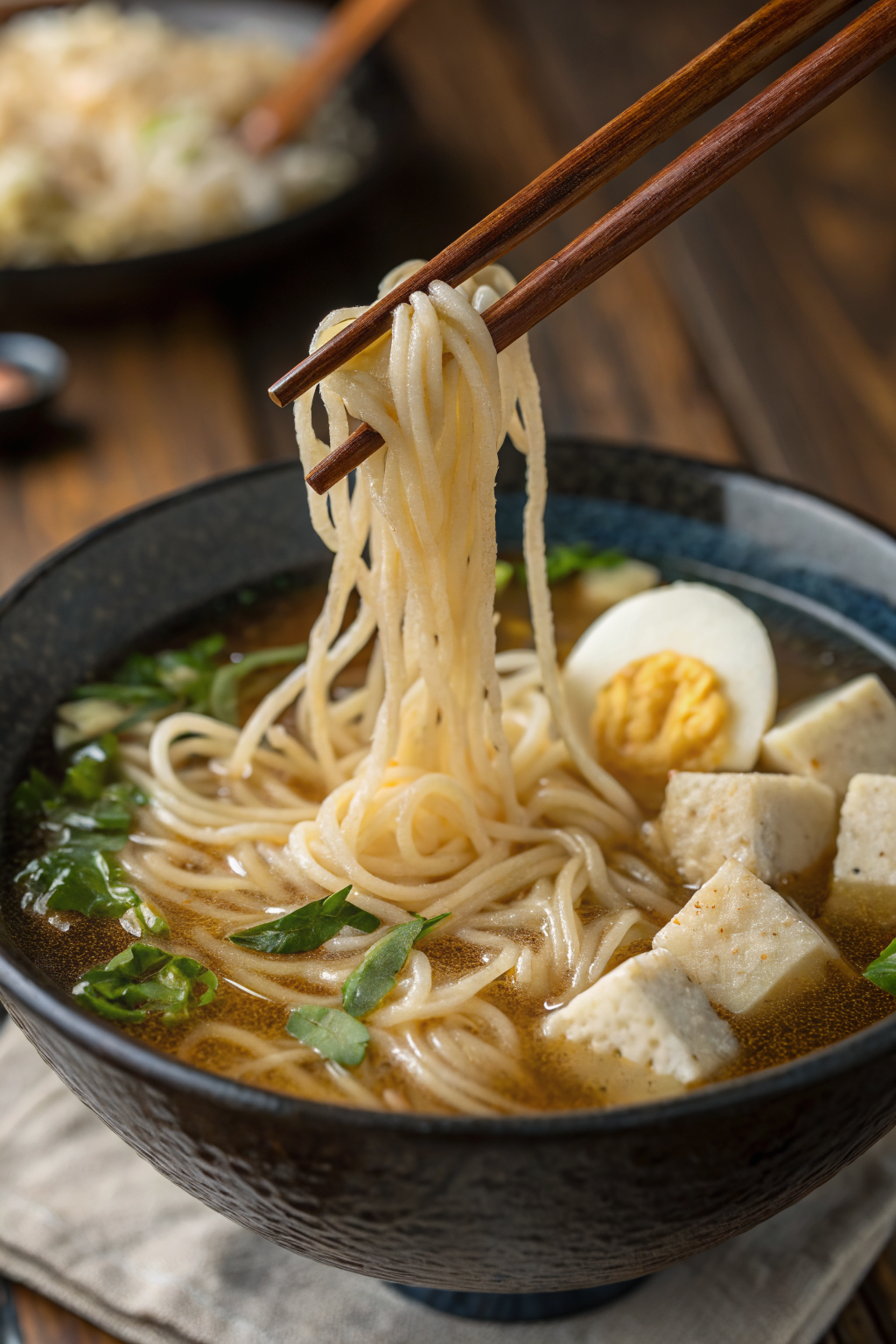
Harusame Japanese Glass Noodle Soup
Ingredients
Instructions
- Soak the harusame glass noodles in warm water according to package instructions until softened, then drain and set aside.
- In a medium pot, heat the sesame oil over medium heat. Add the garlic and ginger and sauté for 30 to 60 seconds until fragrant, without browning.
- Pour in the broth and bring to a gentle simmer. Add the sliced shiitake mushrooms and carrot and cook for 4 to 5 minutes until just tender.
- Stir in the napa cabbage and cook for another 2 to 3 minutes, then add the soy sauce and mirin, adjusting seasoning with salt and pepper to taste.
- Add the drained harusame noodles and simmer for 1 to 2 minutes, just until heated through and the noodles are tender and translucent.
- Stir in the spinach and green onions, and cook for 30 seconds more until the spinach just wilts. Add rice vinegar if using, taste, and adjust seasoning as needed.
- Ladle the soup into bowls, making sure to divide the noodles and vegetables evenly. Serve hot.
Notes
Approximate per serving (4 servings): 160 calories; fat 4 g; saturated fat 0.7 g; carbohydrates 25 g; fiber 3 g; sugars 5 g; protein 6 g; sodium 780 mg. Values will vary based on specific ingredients, brands, and portion sizes.
Leave a Reply