
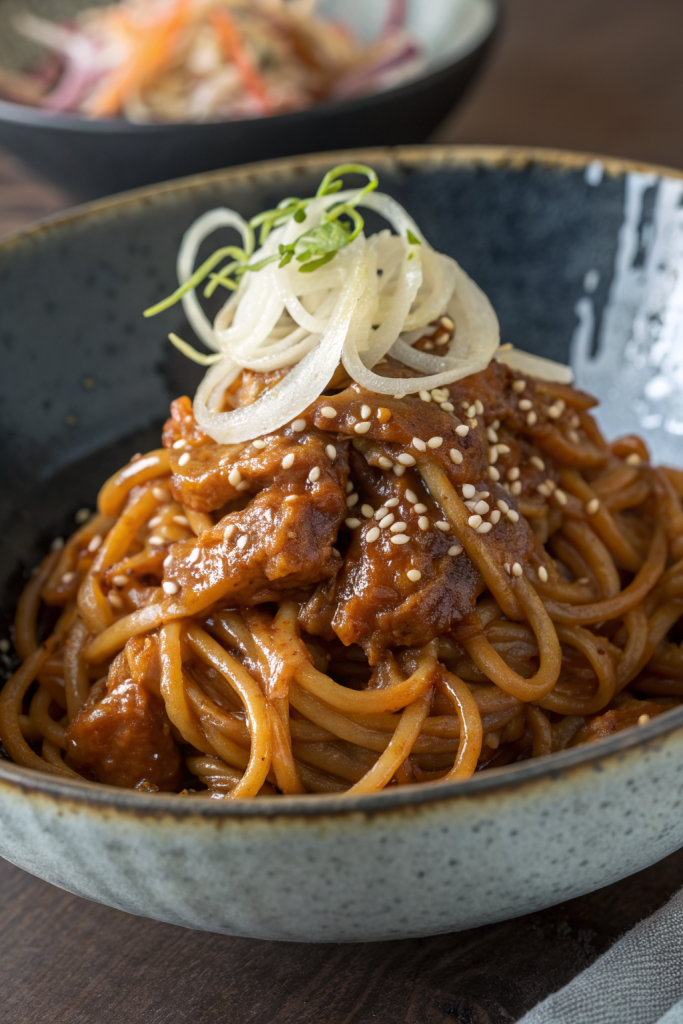
Soy sauce udon Recipe tastes savory, slightly sweet, and extra slurpable, perfect for busy weeknights when you want comfort in under 25 minutes. It suits beginners who just started cooking and seasoned home cooks who want a quick Japanese-style noodle fix without complicated ingredients. I first made this on a broke Tuesday night in my tiny apartment, and it still feels like a hug in a bowl.
Why Make This Soy sauce udon Recipe at Home
You control the salt, sweetness, and richness, so the noodles hit your exact flavor zone every time. You also skip the takeout wait and put dinner on the table faster than a delivery driver can find parking.
You use simple pantry staples like soy sauce, butter, and garlic, so you avoid specialty-store stress. You also customize it easily for picky eaters, spice lovers, or anyone who claims they “don’t like noodles” but somehow finishes the whole bowl.
“This Soy sauce udon Recipe tastes like restaurant-level comfort with weeknight effort, and my family now requests it every single week. ★★★★★”
Ingredients You Need
Udon noodles
- 2 portions frozen udon noodles
- I like frozen sanuki-style udon because they stay chewy and bouncy.
- Use vacuum-packed shelf-stable udon if you cannot find frozen, but cook them slightly under so they keep some bite.
- Fresh udon from an Asian market also works; follow package timing and avoid overcooking.
Sauce base
- 3 tablespoons soy sauce
- Use regular Japanese-style soy sauce (like Kikkoman or Yamasa).
- Use low-sodium soy sauce if you watch salt; taste before adding more.
- 1 tablespoon dark soy sauce (optional but tasty)
- This adds color and deeper flavor; skip it if you only have regular soy sauce and add 1 extra teaspoon of that instead.
- 1 tablespoon mirin
- Mirin adds gentle sweetness and gloss; if you do not have it, use 2 teaspoons sugar plus 1 teaspoon water.
- 1 teaspoon sugar
- Brown sugar gives a slightly deeper flavor, but white sugar works fine.
- 3 tablespoons water or unsalted broth
- Use chicken or vegetable broth if you want extra savory flavor.
Aromatics & fat
- 2 tablespoons unsalted butter
- Butter gives the noodles a rich, almost “wafu pasta” vibe.
- Use neutral oil plus a tiny splash of sesame oil if you avoid dairy.
- 1 tablespoon neutral oil (canola, grapeseed, or vegetable)
- 3 cloves garlic, minced
- 1 teaspoon grated ginger (optional but bright and tasty)
Veggies & add-ins
- 1 cup sliced mushrooms (shiitake, cremini, or button)
- 1 small onion or 3 green onions, sliced
- 1 small carrot, cut into thin matchsticks (optional)
- 1 cup baby spinach or napa cabbage, roughly chopped
Protein options (pick one or mix)
- 1 egg per serving
- Use soft-boiled, poached, or a quick scrambled egg in the pan.
- 4 ounces thinly sliced beef, pork, or chicken
- 4 ounces firm tofu, cubed and patted dry
- 4 ounces shrimp, peeled and deveined
Toppings
- 2 green onions, finely sliced
- Toasted sesame seeds
- Chili oil, shichimi togarashi, or crushed red pepper for heat
- Nori strips or furikake, if you have them
Equipment
- Medium pot for boiling udon
- Large nonstick skillet or wok
- Tongs or chopsticks for tossing noodles
- Small bowl for mixing the soy sauce udon sauce
Tips & Mistakes
- Boil udon just until they loosen and turn bouncy; avoid long boiling or they turn mushy.
- Rinse cooked udon briefly under hot water to remove extra starch, then drain well so the sauce clings instead of thinning out.
- Mix the soy sauce, mirin, sugar, and water in a bowl before cooking so you avoid scrambling at the stove.
- Keep the heat at medium to medium-high so the sauce reduces slightly but does not burn or taste bitter.
- Add garlic after the oil heats and stir constantly; burnt garlic turns the whole dish harsh.
- Taste the sauce before adding noodles; adjust salt with soy sauce and sweetness with a pinch of sugar.
- Avoid crowding the pan with too many veggies or protein; cook in batches if needed so everything browns instead of steaming.
- Add delicate greens like spinach at the very end so they stay bright and soft, not gray and soggy.
- Toss noodles gently with tongs so they do not break, especially with softer shelf-stable udon.
- Plate and eat soon after cooking; udon keeps soaking sauce and can turn too salty if it sits too long.
How to Make Soy sauce udon Recipe
Step 1: Cook the udon
- Bring a pot of water to a boil and add the frozen udon blocks.
- Stir gently with chopsticks or tongs to separate the strands.
- Cook just until the noodles loosen and turn tender but still chewy, usually 1 to 2 minutes for frozen and 3 to 4 minutes for shelf-stable.
- Drain, rinse quickly with hot water, drain again, and set aside.
Step 2: Mix the soy sauce udon sauce
- In a small bowl, add soy sauce, dark soy sauce (if using), mirin, sugar, and water or broth.
- Stir until the sugar dissolves.
- Taste and adjust: add a pinch more sugar if you want extra sweetness or a splash more soy sauce if you want more salt.
Step 3: Cook the protein
- Heat the neutral oil in a large skillet or wok over medium-high heat.
- Add your chosen protein in a single layer.
- Season lightly with a pinch of salt and pepper and cook until the surface browns and the pieces cook through, about 2 to 4 minutes depending on the protein.
- Transfer the cooked protein to a plate and keep it nearby.
Step 4: Sauté aromatics and veggies
- In the same pan, lower the heat to medium and add butter.
- When the butter melts and foams slightly, add garlic and ginger.
- Stir constantly for 20 to 30 seconds until the garlic smells fragrant.
- Add onions, mushrooms, and carrots, then cook until the veggies soften and pick up a bit of color, about 3 to 5 minutes.
Step 5: Combine noodles and sauce
- Add the drained udon noodles to the pan with the veggies.
- Pour the soy sauce mixture over the noodles.
- Toss with tongs so the noodles coat evenly and soak up the sauce.
- Let the sauce bubble gently for 1 to 2 minutes so it thickens slightly and clings to the udon.
Step 6: Add greens and protein
- Add spinach or napa cabbage and toss until the greens wilt, about 30 to 60 seconds.
- Return the cooked protein to the pan and mix it into the noodles.
- Taste one noodle and adjust seasoning with a splash of soy sauce or a pinch of sugar if needed.
Step 7: Optional egg
- For a soft scrambled egg, push the noodles to one side of the pan and crack an egg into the empty space.
- Scramble quickly until just set, then fold into the noodles.
- For a jammy egg, boil separately for 7 minutes, cool in cold water, peel, and serve halved on top of the finished bowl.
Step 8: Plate and garnish
- Turn off the heat and divide the soy sauce udon into bowls.
- Top with sliced green onions, toasted sesame seeds, and chili oil or shichimi togarashi if you like spice.
- Add nori strips or furikake on top for extra umami.
- Serve hot while the noodles stay glossy and bouncy.
Variations I've Tried
- Garlic butter soy sauce udon: Double the garlic, add an extra tablespoon of butter, and finish with a squeeze of lemon for a bright, rich twist.
- Spicy soy sauce udon: Add 1 to 2 teaspoons chili oil or gochujang to the sauce bowl and whisk until smooth, then cook as usual.
- Veggie-packed soy sauce udon: Load the pan with bell peppers, snap peas, bok choy, and corn; keep the sauce amount the same so the noodles still taste bold.
- Miso soy sauce udon: Stir 1 tablespoon white miso into the sauce mixture for extra depth; whisk well so the miso dissolves before it hits the pan.
- Creamy soy sauce udon: Add 2 to 3 tablespoons of milk or plant milk at the end and simmer briefly for a light, creamy coating that still tastes savory.
How to Serve Soy sauce udon Recipe
Serve soy sauce udon hot in deep bowls so the sauce pools slightly at the bottom and keeps the noodles glossy. Add a soft-boiled egg, extra green onions, and sesame seeds on top for a cozy, cafe-style presentation. Pair it with a simple side like cucumber salad, steamed edamame, or miso soup for a full meal. If you cook for kids, keep the spice mild and let everyone add chili oil or pepper at the table.
How to store
- Cool leftovers to room temperature, then transfer to an airtight container and store in the fridge for up to 3 days.
- For the freezer, portion the soy sauce udon into freezer-safe containers or bags and freeze for up to 1 month.
- Reheat in a skillet over medium heat with a splash of water or broth, tossing until the noodles loosen and heat through.
- Use a microwave-safe bowl and cover loosely, then reheat in 30 to 45 second bursts, stirring between each round, and add a tiny bit of soy sauce at the end if the flavor needs a boost.
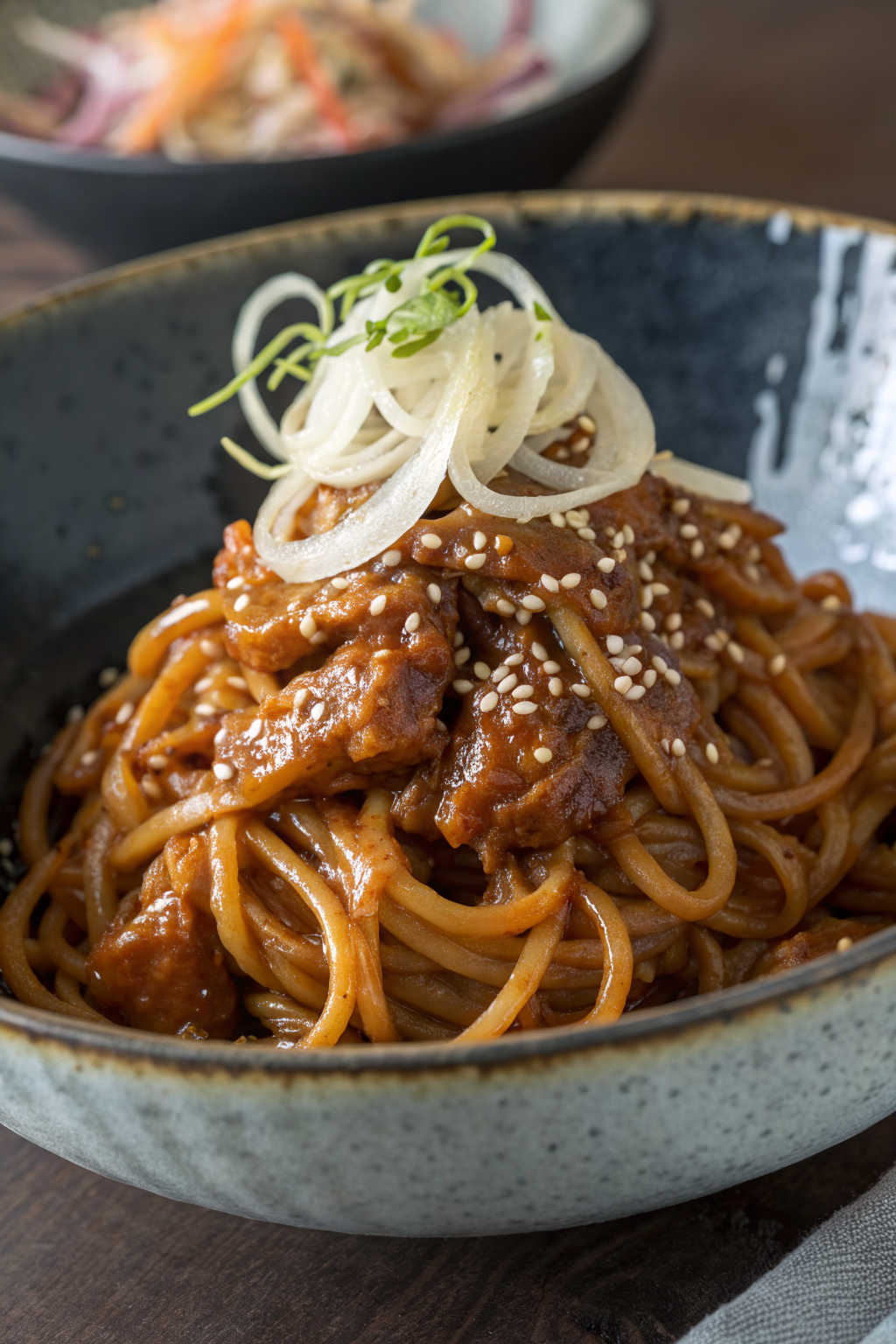
Soy Sauce Udon Recipe
Ingredients
Instructions
- Bring a pot of water to a boil and add the frozen udon blocks.
- Stir gently with chopsticks or tongs to separate the strands.
- Cook just until the noodles loosen and turn tender but still chewy, about 1–2 minutes for frozen or 3–4 minutes for shelf-stable.
- Drain, rinse quickly with hot water, drain again, and set aside.
- In a small bowl, combine soy sauce, dark soy sauce (if using), mirin, sugar, and water or broth.
- Stir until the sugar dissolves, then taste and adjust with a pinch more sugar for sweetness or a splash more soy sauce for saltiness.
- Heat the neutral oil in a large skillet or wok over medium-high heat.
- Add your chosen protein in a single layer, season lightly with salt and pepper, and cook until browned and cooked through, 2–4 minutes depending on the protein.
- Transfer the cooked protein to a plate and set aside.
- In the same pan, reduce the heat to medium and add the butter.
- When the butter melts and foams slightly, add the garlic and ginger and stir constantly for 20–30 seconds until fragrant.
- Add the onions, mushrooms, and carrot and cook until the vegetables soften and pick up a little color, about 3–5 minutes.
- Add the drained udon noodles to the pan with the vegetables.
- Pour the soy sauce mixture over the noodles.
- Toss with tongs until the noodles are evenly coated and the sauce bubbles gently and thickens slightly, 1–2 minutes.
- Add the spinach or napa cabbage and toss until just wilted, about 30–60 seconds.
- Return the cooked protein to the pan and mix it into the noodles.
- Taste a noodle and adjust seasoning with a splash of soy sauce or a pinch of sugar if needed.
- For soft scrambled egg, push the noodles to one side of the pan, crack an egg into the empty space, scramble quickly until just set, then fold into the noodles.
- For a jammy egg, boil an egg separately for about 7 minutes, cool in cold water, peel, and serve halved on top of each bowl.
- Turn off the heat and divide the soy sauce udon into deep bowls.
- Top with sliced green onions, toasted sesame seeds, and chili oil or shichimi togarashi if you like spice.
- Garnish with nori strips or furikake if desired and serve hot.
Notes
Approximate per serving (with 2 portions frozen udon, vegetables, sauce, 1 tablespoon butter, 1 tablespoon oil, and 4 oz chicken, without toppings): 620 calories; fat 27 g; saturated fat 10 g; carbohydrates 70 g; fiber 4 g; sugars 10 g; protein 26 g; sodium 1850 mg. Values are estimates and will vary based on protein choice, brands, toppings, and portion size.
Leave a Reply