
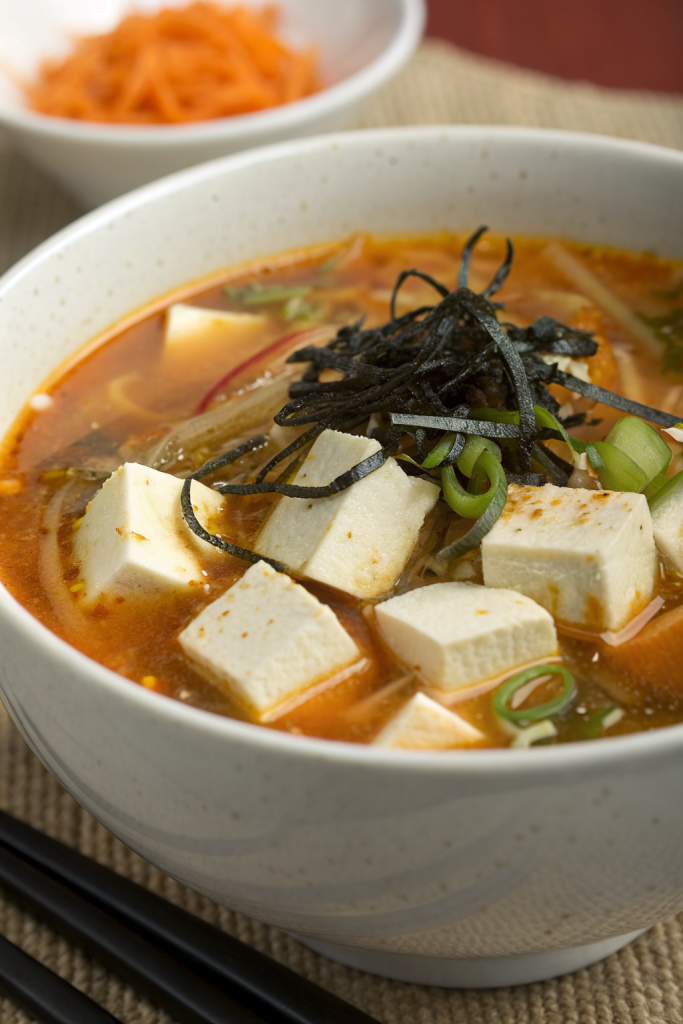
10 Japanese Recipe Ideas bring cozy umami flavors, crunchy textures, and a mix of comforting and light dishes that taste restaurant-level without feeling heavy. They suit busy home cooks who want weeknight-friendly Japanese recipes in about 20 to 60 minutes total time per dish. I tested versions of all ten in my tiny American kitchen, and my smoke alarm only yelled at me twice, which I count as success.
Why Make This 10 Japanese Recipe Ideas at Home
You control the salt, sweetness, and oil, which helps these Japanese recipes taste cleaner and lighter than takeout. You also adjust spice levels, swap proteins, and use what your local grocery store actually stocks.
Cooking these 10 Japanese Recipe Ideas at home saves money and turns dinner into a fun little cooking project. You learn core Japanese techniques like dashi, teriyaki glaze, and katsu breading that you reuse in tons of other meals.
“These 10 Japanese Recipe Ideas tasted like my favorite Tokyo cafe menu, but my kitchen smelled even better and cleanup stayed surprisingly easy. ★★★★★”
Ingredients You Need
Below you will find a master list that covers the 10 Japanese Recipe Ideas:
- Chicken katsu
- Tonkatsu (pork cutlet)
- Simple chicken teriyaki
- Salmon teriyaki
- Quick miso soup
- Chicken katsu curry
- Yakisoba (stir fried noodles)
- Onigiri (rice balls)
- Tamagoyaki (rolled omelet)
- Basic vegetable tempura
Core Japanese pantry items
- Soy sauce: Use a good all purpose Japanese soy sauce like Kikkoman or Yamasa. Low sodium works if you watch salt.
- Mirin: Sweet rice seasoning; if you cannot find true mirin, use aji mirin or mix 3 parts sake or mild rice vinegar with 1 part sugar.
- Sake: Cooking sake or regular drinking sake; if unavailable, use dry sherry or extra broth plus a tiny pinch of sugar.
- Rice vinegar: Mild and slightly sweet; avoid harsh distilled vinegar.
- Miso paste: White or yellow miso for milder, slightly sweet flavor; red miso tastes stronger and saltier.
- Dashi: Use instant dashi granules as a shortcut, or use low sodium chicken broth if you cannot find dashi.
- Japanese curry roux: Boxed curry blocks like Golden Curry or Vermont Curry keep things simple and consistent.
- Panko breadcrumbs: Japanese style coarse breadcrumbs that fry up extra crisp; avoid regular fine breadcrumbs for katsu.
- Katsu sauce or tonkatsu sauce: Store bought Bulldog brand tastes great; in a pinch mix ketchup, Worcestershire, soy sauce, and a bit of sugar.
- Sesame oil: Toasted sesame oil for finishing yakisoba and miso soup; use sparingly since it tastes strong.
- Neutral oil: Use canola, vegetable, or grapeseed oil for frying and stir frying.
Fresh produce
- Onions: Yellow onions for curry and yakisoba; green onions for miso soup and garnish.
- Garlic & ginger: Fresh cloves and knobs; jarred versions work, but fresh gives brighter flavor.
- Carrots: Thinly sliced or matchsticks for curry and yakisoba.
- Cabbage: Green cabbage for yakisoba and okonomiyaki style toppings if you improvise.
- Potatoes: Waxy or all purpose potatoes for curry.
- Mushrooms: Shiitake taste best; button mushrooms work if that is what you have.
- Mixed vegetables: Bell peppers, bean sprouts, or snap peas for yakisoba and tempura.
- Lemon: Optional wedges for katsu and tempura.
Proteins
- Chicken thighs or breasts: Boneless skinless thighs stay juicier for katsu and teriyaki; breasts work if you avoid overcooking.
- Pork loin or pork chops: Boneless, about 1/2 inch thick, for tonkatsu.
- Salmon fillets: Skin on or off, about 1 inch thick, for salmon teriyaki.
- Eggs: For tamagoyaki, breading katsu, and enriching yakisoba.
- Firm tofu: Optional swap for chicken in teriyaki or for vegetables in tempura.
Carbs
- Japanese short grain rice: Use sushi rice or Calrose style rice; rinse well before cooking.
- Yakisoba noodles: Fresh or vacuum packed; if you cannot find them, use cooked ramen noodles without seasoning packets.
- All purpose flour: For katsu dredging, tempura batter, and thickening.
- Cornstarch or potato starch: Helps extra crisp breading and tempura.
Seasonings & toppings
- Sugar: White sugar for teriyaki glaze and tamagoyaki.
- Salt & pepper: Kosher salt or sea salt; white pepper if you prefer milder flavor.
- Kewpie mayonnaise: Optional but tasty with katsu and onigiri fillings.
- Nori sheets: Seaweed sheets for onigiri and garnish.
- Furikake: Rice seasoning mix for onigiri and rice bowls.
- Pickles: Japanese pickles if available, or simple cucumber pickles as a stand in.
Equipment list
- Heavy skillet or frying pan
- Medium saucepan
- Large pot for curry and miso soup
- Deep pot or Dutch oven for frying katsu and tempura
- Wire rack and sheet pan for draining fried foods
- Rice cooker or pot with tight lid
- Nonstick pan for tamagoyaki
- Tongs, spatula, and chopsticks
- Mixing bowls and measuring cups
- Sharp chef’s knife and cutting board
Tips & Mistakes
- Slice proteins to even thickness so chicken katsu, tonkatsu, and salmon teriyaki cook evenly and stay juicy.
- Pat meat and fish dry before seasoning so breading sticks and teriyaki glaze clings instead of sliding off.
- Season flour and panko lightly with salt and pepper so katsu tastes flavorful all the way through, not just from sauce.
- Heat oil to about 340 to 350°F and keep that range; cold oil makes greasy katsu and tempura, too hot oil burns the crust.
- Fry in small batches so the oil temperature stays stable and the coating stays crisp.
- Rinse rice until water runs almost clear so onigiri and rice bowls taste fluffy, not gummy.
- Use low heat for tamagoyaki and roll gently; high heat browns the eggs too fast and makes the omelet tough.
- Add miso paste to hot but not boiling liquid; boiling miso dulls flavor and can taste harsh.
- Toss yakisoba noodles in a bit of oil before stir frying so they separate and do not clump.
- Taste sauces as you cook and adjust soy, sugar, and vinegar gradually so you hit that sweet salty balance without overshooting.
How to Make 10 Japanese Recipe Ideas
1. Chicken katsu
- Pound chicken thighs or breasts to about 1/2 inch thickness and season both sides with salt and pepper.
- Set up three bowls: one with flour, one with beaten eggs, and one with panko breadcrumbs.
- Coat chicken in flour, shake off excess, dip in egg, then press into panko until fully covered.
- Heat about 1/2 inch of neutral oil in a skillet to 340 to 350°F.
- Fry chicken 3 to 4 minutes per side until golden and cooked through, then place on a wire rack to drain.
- Slice into strips and serve with rice, shredded cabbage, and katsu sauce.
2. Tonkatsu (pork cutlet)
- Trim pork loin or chops and pound slightly to even thickness.
- Season with salt and pepper, then dredge in flour, dip in beaten egg, and coat in panko.
- Fry in hot oil at 340 to 350°F for about 4 to 5 minutes per side until the crust turns deep golden and the center cooks through.
- Rest on a rack a few minutes, then slice and serve with tonkatsu sauce and lemon wedges.
3. Simple chicken teriyaki
- Stir together soy sauce, mirin, sake, and sugar in a small bowl until sugar dissolves.
- Pat chicken thighs dry, season lightly with salt, and sear skin side down in a skillet with a little oil until browned.
- Flip chicken, pour in the teriyaki sauce, and simmer on medium low until the chicken cooks through and the sauce thickens into a glossy glaze.
- Slice chicken and spoon extra sauce over steamed rice and vegetables.
4. Salmon teriyaki
- Mix soy sauce, mirin, sake, and a bit of sugar for the salmon teriyaki sauce.
- Pat salmon fillets dry and season lightly with salt.
- Sear salmon in a lightly oiled skillet, skin side down if using skin, until the skin crisps and the bottom browns.
- Flip salmon, pour in the sauce, and cook a few more minutes while spooning the bubbling sauce over the top until the fish flakes easily.
5. Quick miso soup
- Bring water or light dashi to a gentle simmer in a saucepan.
- Add sliced green onions, tofu cubes, and sliced mushrooms, then cook a few minutes until tender.
- Ladle some hot broth into a bowl, whisk in miso paste until smooth, then return that mixture to the pot off the heat.
- Stir gently, taste, and adjust with more miso or a splash of soy sauce, then finish with a few drops of sesame oil.
6. Chicken katsu curry
- Prepare chicken katsu as above and keep it warm on a rack.
- In a pot, sauté sliced onions in a little oil until soft and lightly browned.
- Add carrot slices and potato chunks, stir, then pour in water or broth to cover and simmer until vegetables turn tender.
- Turn off heat, stir in Japanese curry roux blocks until they melt, then simmer again on low until thick and glossy.
- Serve steamed rice in a bowl, ladle curry over one side, and place sliced chicken katsu on top.
7. Yakisoba (stir fried noodles)
- Loosen yakisoba noodles by running them briefly under warm water if they clump.
- Stir together yakisoba sauce with a mix of Worcestershire, soy sauce, ketchup, and a pinch of sugar if you do not have bottled sauce.
- Heat oil in a large skillet, then stir fry sliced pork or chicken with garlic and ginger until cooked.
- Add cabbage, carrots, and any other vegetables, then cook until crisp tender.
- Toss in noodles, pour sauce over, and stir fry until everything coats evenly and the noodles pick up a bit of char.
- Finish with green onions, a drizzle of Kewpie mayo if you like, and a sprinkle of furikake.
8. Onigiri (rice balls)
- Cook Japanese short grain rice and let it cool until warm but not hot.
- Prepare fillings like tuna mixed with Kewpie mayo and soy sauce, salted salmon flakes, or simple furikake.
- Wet your hands with water, rub a tiny pinch of salt on your palms, then scoop a handful of rice.
- Press a small amount of filling into the center and shape the rice into a triangle or ball, sealing the filling inside.
- Wrap a strip of nori around the bottom or side and serve or pack for later.
9. Tamagoyaki (rolled omelet)
- Beat eggs with sugar, a splash of soy sauce, and a bit of dashi or water until smooth.
- Heat a small nonstick pan over low heat and brush lightly with oil.
- Pour a thin layer of egg into the pan and tilt to coat; when it sets but still looks slightly soft on top, roll it from one side to the other with chopsticks or a spatula.
- Push the roll back to the starting side, oil the pan again, then add more egg mixture, lifting the roll so uncooked egg flows underneath.
- Repeat layers and rolling until you use all the egg, then let the roll cool slightly and slice into pieces.
10. Basic vegetable tempura
- Slice vegetables like sweet potato, carrot, bell pepper, green beans, and mushrooms into bite sized pieces.
- Mix a quick tempura batter with cold water and flour, leaving a few small lumps; keep the batter cold with ice if your kitchen runs warm.
- Heat oil in a deep pot to about 340 to 350°F.
- Dust vegetables lightly with flour, dip into batter, then place gently into hot oil.
- Fry until the coating turns pale golden and crisp, then drain on a wire rack and sprinkle lightly with salt.
- Serve with a dipping sauce of dashi or light broth, soy sauce, and a touch of grated ginger.
Variations I've Tried
I swap chicken with firm tofu in teriyaki and katsu for a lighter vegetarian option that still tastes satisfying. I also use shrimp or white fish in tempura and katsu when I catch a good sale at the store.
On busy nights, I turn yakisoba into a full meal by cracking an egg on top and steaming it under a lid for a minute. I also stuff onigiri with leftover teriyaki chicken or salmon, which turns leftovers into a new lunch that feels fresh.
How to Serve 10 Japanese Recipe Ideas
Serve chicken katsu, tonkatsu, and chicken katsu curry with fluffy rice, shredded cabbage, and plenty of sauce on the side. Pair miso soup with any of the other dishes as a starter or light side.
Offer yakisoba, salmon teriyaki, and vegetable tempura together for a fun mix of noodles, fish, and crispy bites. Pack onigiri and tamagoyaki in lunch boxes with sliced fruit and cucumber sticks for a simple Japanese style bento vibe.
How to store
- Chicken katsu, tonkatsu, and tempura: Cool completely, store in an airtight container in the fridge for up to 2 days; reheat in a hot oven or air fryer until crisp.
- Teriyaki chicken and salmon: Refrigerate in a sealed container for 2 to 3 days; reheat gently on the stovetop with a splash of water to loosen the sauce.
- Miso soup: Store broth and miso separately in the fridge for up to 3 days; reheat broth until hot, then stir in miso off heat.
- Chicken katsu curry: Keep curry and katsu separate; refrigerate up to 3 days and reheat curry on the stove while you re crisp katsu in the oven.
- Onigiri and tamagoyaki: Wrap tightly and refrigerate up to 24 hours; eat cold or bring to room temperature, and avoid microwaving onigiri so the rice does not turn tough.
- Cooked rice and noodles: Store in airtight containers in the fridge for up to 3 days; reheat rice with a sprinkle of water in the microwave and stir fry noodles briefly in a hot pan.
Chicken Katsu
Ingredients
Instructions
- Pound the chicken thighs or breasts to about 1/2-inch thickness so they cook evenly, then season both sides with salt and pepper.
- Set up three shallow bowls: one with flour, one with the beaten eggs, and one with the panko breadcrumbs.
- Coat each piece of chicken lightly in flour, shaking off any excess, then dip into the beaten egg, letting the excess drip off.
- Press the chicken firmly into the panko on both sides until fully coated, gently pressing so the crumbs adhere well.
- Heat about 1/2 inch of neutral oil in a large skillet over medium heat until it reaches 340 to 350°F (a breadcrumb should sizzle immediately but not burn).
- Fry the breaded chicken 3 to 4 minutes per side, or until golden brown and cooked through, working in batches so you do not crowd the pan.
- Transfer the fried chicken to a wire rack set over a sheet pan to drain and stay crisp while you finish the remaining pieces.
- Slice the chicken katsu into strips and serve over hot rice with shredded cabbage, katsu sauce, and lemon wedges on the side.
Notes
Approximate per serving (1 cutlet with 1 cup rice, sauce, and cabbage): 720 calories; fat 30 g; saturated fat 6 g; carbohydrates 78 g; fiber 3 g; sugars 6 g; protein 34 g; sodium 1240 mg. Values will vary based on brands, oil absorption, and portion size.