
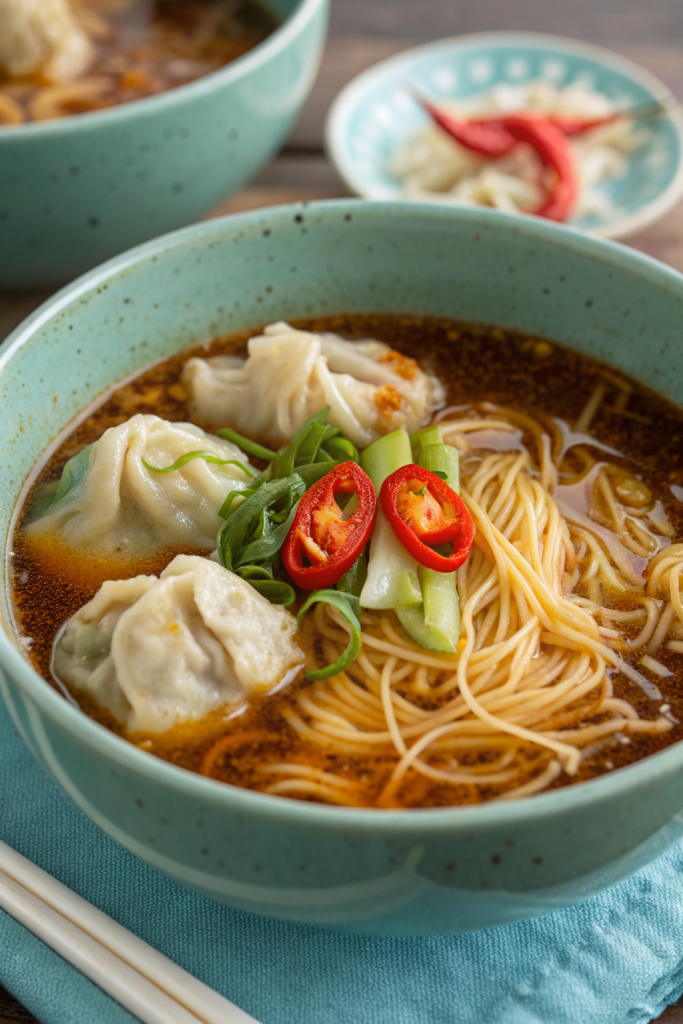
Gyoza Japanese Dumpling Soup Recipe tastes cozy, savory, and a little bit addictive, with tender dumplings floating in a garlicky, gingery broth. It works perfectly for busy weeknights, cold-weather comfort, or an easy starter for a Japanese-inspired dinner, and you can get it on the table in about 35–40 minutes. I first made a version of this in a tiny apartment with one pot and a dream, and it still feels like my weeknight victory lap.
Why Gyoza Japanese Dumpling Soup Recipe Is Worth It
This soup gives you the joy of pan-fried gyoza without the extra oil or fuss, and the broth carries all that dumpling flavor in every spoonful. You get chewy wrappers, juicy filling, and slurpable noodles or veggies in one bowl, so it tastes like takeout but cooks like a one-pot weeknight dinner.
You also stretch a small pack of frozen gyoza into a full meal with broth, vegetables, and toppings. That saves money, cuts dishes, and still feels special enough for a cozy at-home “no shoes, all comfort” kind of night.
“This Gyoza Japanese Dumpling Soup Recipe tastes like my favorite ramen shop and my freezer had a genius baby together. ★★★★★”
Ingredients You Need
Dumplings & Base
-
12–18 frozen gyoza (pork, chicken, shrimp, or veggie)
- Any good-quality brand works; I often use Ajinomoto or Trader Joe’s.
- Choose veggie gyoza if you want an easier vegetarian or vegan path.
-
1–2 tablespoons neutral oil (avocado, canola, or light olive oil)
- You only need a bit to brown the dumplings and build flavor.
Broth
-
6 cups low-sodium chicken broth
- Use vegetable broth for vegetarian or vegan soup.
- Low-sodium broth gives you more control over salt.
-
1–2 cups water, as needed
- Add if the broth tastes too strong or you want extra soupiness.
-
3 cloves garlic, minced
-
1–2 tablespoons fresh ginger, minced or grated
- Squeeze-tube ginger and garlic work well when you feel tired or rushed.
-
2 tablespoons soy sauce
- Use tamari or coconut aminos for gluten-free versions.
-
1 tablespoon rice vinegar
- Adds brightness and keeps the broth from tasting flat.
-
1 teaspoon toasted sesame oil
- A little goes a long way; it gives that nutty, “Japanese restaurant” aroma.
-
1–2 teaspoons chili crisp or chili oil (optional)
- Skip for kids or spice-sensitive folks, or serve on the side.
Veggies & Add-Ins
Mix and match based on what your fridge offers. You do not need every single one.
- 1 cup shredded green cabbage or coleslaw mix
- 1 cup sliced mushrooms (shiitake, cremini, or button)
- 1 small carrot, julienned or thinly sliced
- 2–3 green onions, thinly sliced (white and green parts separated)
- 1 cup baby spinach or chopped bok choy
- 1 small zucchini, matchsticks or half-moons (optional)
- 1 small handful bean sprouts (optional, for topping)
Noodles (Optional but fun)
- 4–6 ounces ramen noodles, udon, or thin rice noodles
- Use rice noodles or gluten-free ramen if you avoid gluten.
- You can also skip noodles and add extra veggies for a lighter bowl.
Toppings
- Extra sliced green onion
- Toasted sesame seeds
- Nori strips (seaweed), optional
- Chili crisp, sriracha, or shichimi togarashi, optional
- Lime wedges, optional but tasty for brightness
Equipment
- Large pot or Dutch oven (at least 4–5 quarts)
- Small skillet (optional, if you want extra browning on gyoza)
- Cutting board and sharp knife
- Ladle and tongs or slotted spoon
- Measuring cups and spoons
Quick Tips & substitutions
- Brown the gyoza on one side before simmering to add flavor and keep the wrappers from getting too mushy.
- Use frozen gyoza straight from the freezer; do not thaw, or they stick and tear.
- Swap chicken broth with vegetable broth and veggie gyoza for a vegetarian version.
- Use tamari or certified gluten-free soy sauce plus gluten-free gyoza and noodles if you avoid gluten.
- Keep the broth at a gentle simmer, not a wild boil, so the dumplings stay intact.
- Add tender greens like spinach in the last minute so they stay bright and not sad and gray.
- Cook noodles separately if you plan leftovers, so they do not soak up all the broth.
- Taste the broth before serving and adjust with soy sauce for salt, rice vinegar for brightness, or chili oil for heat.
How to Make Gyoza Japanese Dumpling Soup Recipe
Step 1: Prep the aromatics and veggies
Mince the garlic and ginger, and slice all your vegetables and green onions. Keep the white and green parts of the green onions in separate piles. The white parts go into the broth early, and the green parts finish the soup as a fresh topping.
If you use noodles, set them aside and keep the package nearby for cooking times. This little prep sprint makes the cooking part feel smooth and calm.
Step 2: Brown the gyoza
Heat 1 tablespoon of neutral oil in your large pot over medium-high heat. Add the frozen gyoza in a single layer, flat side down, and leave a little space between them. Let them cook 2–3 minutes until the bottoms turn golden and lightly crisp.
If your pot feels crowded, brown them in two batches and add a bit more oil if the pot looks dry. You do not need to cook them through yet; you just want color and flavor.
Step 3: Build the broth
Push the browned gyoza gently to one side of the pot. Add a tiny splash of oil if the pot looks dry, then add garlic, ginger, and the white parts of the green onions. Stir for about 30 seconds to 1 minute until the aromatics smell fragrant.
Pour in the chicken broth and 1 cup of water, scraping up any browned bits from the bottom of the pot. Add soy sauce, rice vinegar, and sesame oil, then stir everything together. Bring the pot to a gentle boil, then lower the heat to a steady simmer.
Step 4: Add veggies
Add mushrooms, carrot, cabbage, and zucchini if you use it. Let the soup simmer 5–7 minutes so the vegetables soften and the gyoza cook through. Check one dumpling by cutting it open; the filling should look hot and no longer raw.
Taste the broth and adjust seasoning. Add more soy sauce for salt, a splash of water if it tastes too strong, or a bit more rice vinegar if you want extra brightness.
Step 5: Cook the noodles
You can cook noodles right in the soup or in a separate pot.
- In the soup: Add the noodles directly to the simmering broth and cook according to package directions, usually 3–5 minutes. Stir gently so the noodles do not tangle around the gyoza.
- In a separate pot: Boil water, cook noodles until just tender, then drain and rinse briefly. Add a portion of noodles to each bowl, then ladle soup over the top.
Cooking noodles separately works better if you plan leftovers, because the noodles will not soak up all the broth overnight.
Step 6: Finish with greens and heat
During the last minute of cooking, stir in spinach or bok choy so the greens wilt but stay bright. Add chili crisp or chili oil to the pot if everyone enjoys spice, or keep it on the table so each person can adjust. Toss in half of the sliced green onion tops and stir.
Turn off the heat and give the soup a final taste. Adjust one last time with soy sauce, vinegar, or chili oil until the broth makes you want to drink it straight from the ladle.
Step 7: Serve
Divide noodles (if separate) and gyoza between bowls. Ladle hot broth and veggies over the top. Sprinkle with remaining green onions, toasted sesame seeds, and any toppings you like.
Serve the Gyoza Japanese Dumpling Soup Recipe steaming hot, with extra chili crisp and lime wedges on the side. Then enjoy that first dumpling-and-broth combo that always feels like a little victory.
Recipe Variations
- Gluten-free: Use gluten-free gyoza, tamari or coconut aminos, gluten-free broth, and rice noodles or gluten-free ramen.
- Vegan: Use veggie gyoza, vegetable broth, and skip any animal-based toppings; add tofu cubes for extra protein.
- Low carb: Skip noodles and load up on cabbage, mushrooms, zucchini, and bok choy; add tofu or extra gyoza for fullness.
- Extra protein: Add shredded rotisserie chicken, cooked shrimp, or cubes of firm tofu during the last few minutes of simmering.
- Miso twist: Whisk 1–2 tablespoons white miso with a ladle of hot broth, then stir it back into the pot off the heat.
- Spicy version: Add a spoonful of gochujang or extra chili oil to the broth and top bowls with shichimi togarashi.
Ways to Serve Gyoza Japanese Dumpling Soup Recipe
- Serve as a main dish with a side of steamed rice and a simple cucumber salad.
- Pair with edamame, seaweed salad, or a small plate of pickled veggies.
- Offer a toppings bar with green onions, sesame seeds, chili crisp, and lime wedges so everyone customizes their bowl.
- Pack in a thermos for a warm lunch at work or school.
Storage Success
Cool the Gyoza Japanese Dumpling Soup Recipe to room temperature, then store it in airtight containers in the fridge for up to 3 days. If you plan ahead, keep noodles in a separate container so they do not soak up all the broth. Reheat gently on the stove over medium heat until the soup steams and the gyoza feel hot in the center. Add a splash of broth or water if the soup thickens, and finish with fresh green onions or a drizzle of sesame oil to wake it up.
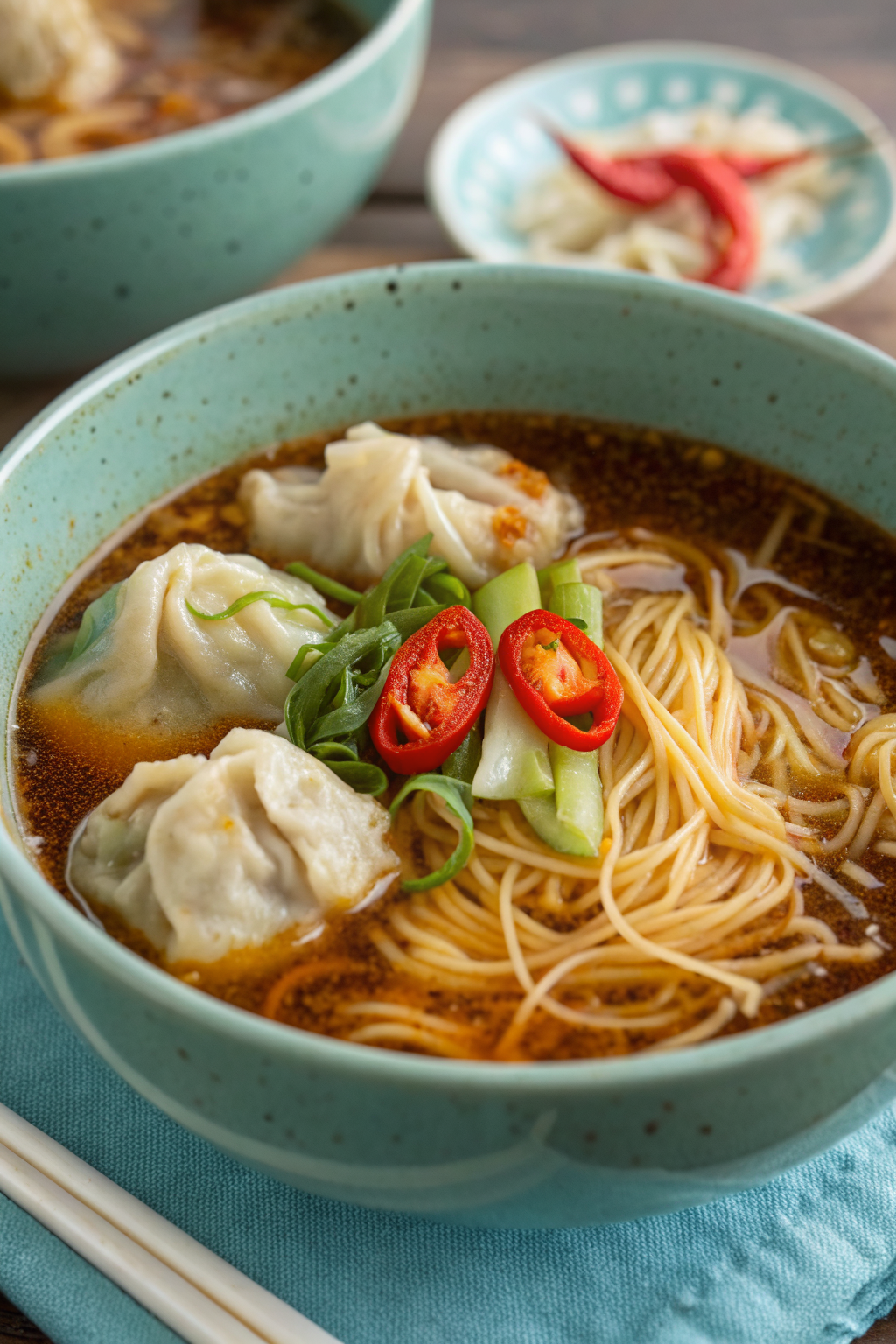
Gyoza Japanese Dumpling Soup Recipe
Ingredients
Instructions
- Prep the garlic, ginger, and vegetables. Mince the garlic and ginger, slice the mushrooms, carrot, cabbage, zucchini (if using), and green onions, keeping white and green parts of the onions separate.
- Heat 1 tablespoon neutral oil in a large pot over medium-high heat. Add the frozen gyoza in a single layer, flat side down, leaving space between them. Cook 2–3 minutes until the bottoms are golden and lightly crisp. Brown in batches if needed, adding more oil if the pot looks dry.
- Push the browned gyoza to one side of the pot. If needed, add a small splash of oil. Add the garlic, ginger, and the white parts of the green onions. Stir and cook 30 seconds to 1 minute until fragrant, being careful not to burn.
- Pour in the chicken broth and 1 cup of water, scraping up any browned bits from the bottom of the pot. Stir in the soy sauce, rice vinegar, and toasted sesame oil. Bring to a gentle boil, then reduce to a steady simmer.
- Add the mushrooms, carrot, cabbage, and zucchini if using. Simmer 5–7 minutes, until the vegetables are tender and the gyoza are cooked through. Cut one dumpling open to check that the filling is hot and no longer raw. Taste the broth and adjust with more soy sauce for salt, a splash of water if it is too strong, or extra rice vinegar for brightness.
- If using noodles, add them directly to the simmering broth and cook according to package directions, usually 3–5 minutes, stirring gently so they do not tangle around the gyoza. Alternatively, cook the noodles in a separate pot, then drain and divide among serving bowls.
- During the last minute of cooking, stir in the spinach or bok choy so the greens wilt but stay bright. Add chili crisp or chili oil to the pot if everyone likes spice, or reserve it for serving. Stir in half of the sliced green onion tops.
- Turn off the heat and taste the broth one more time, adjusting with soy sauce, vinegar, or chili oil as desired. Divide noodles (if cooked separately) and gyoza among bowls, then ladle hot broth and vegetables over the top. Finish with remaining green onion greens, toasted sesame seeds, and any additional toppings such as nori strips, bean sprouts, chili crisp, or lime wedges. Serve hot.
Notes
Approximate per serving (4 servings, with 4–5 pork gyoza and ramen, prepared as written): 430 calories; fat 17 g; saturated fat 3 g; carbohydrates 50 g; fiber 4 g; sugars 7 g; protein 18 g; sodium 1650 mg. Values will vary based on gyoza type, broth brand, noodle choice, toppings, and portion size.