
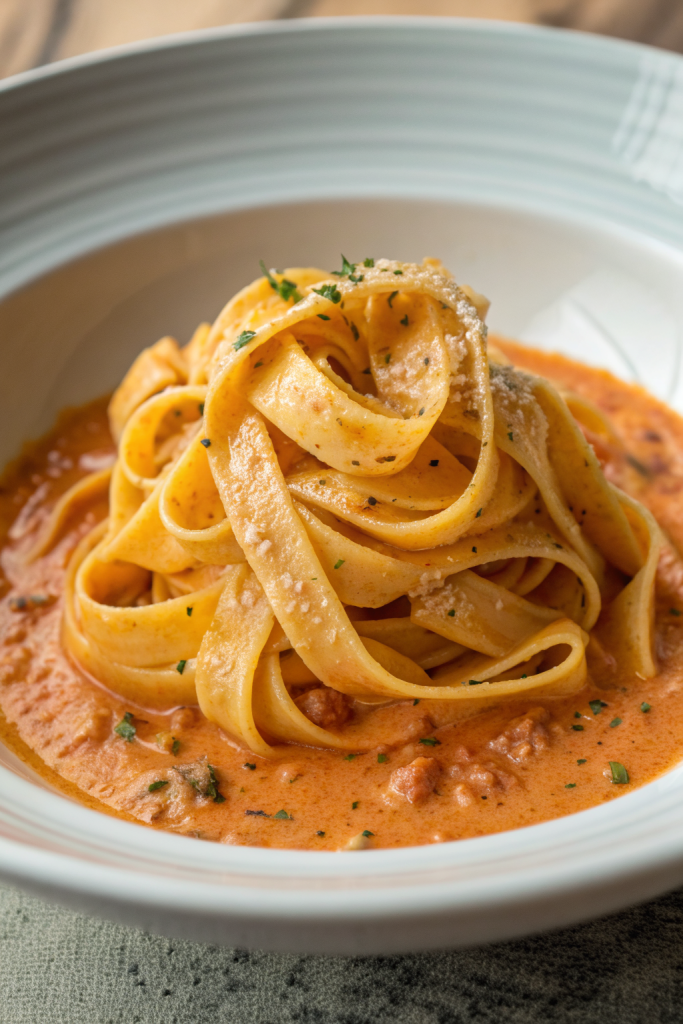
French Onion Pasta Recipe tastes like a cozy bowl of French onion soup met a silky, cheesy pasta and decided to stay forever. It suits busy home cooks who want big restaurant-style flavor in about 45–50 minutes, without fancy skills or equipment. I tested this on a Tuesday night in sweatpants, so you and I are very much in this together.
Why Make This French Onion Pasta Recipe at Home
You control the flavor, the salt, and the cheese level, which might be the most important power any home cook can hold. Caramelized onions, garlic, thyme, and broth cling to the pasta and feel rich and special, yet the process stays simple enough for a weeknight.
You also save money compared to ordering a heavy pasta dish out, and you avoid mystery ingredients. You can tweak it for picky eaters, use the pasta you already have, and turn a bag of onions into something that tastes like a splurge.
“This French Onion Pasta Recipe tastes like my favorite bistro soup turned into a creamy, cheesy hug in a bowl, and I scraped the pot clean. ★★★★★”
Ingredients You Need
Onions and flavor base
- Yellow onions, thinly sliced
- Use 3 to 4 large onions; they cook down a lot.
- Yellow onions caramelize beautifully and taste sweet and savory.
- Butter
- Salted or unsalted both work; adjust salt at the end.
- Olive oil
- Helps prevent the butter from browning too fast.
- Garlic, minced
- Fresh cloves taste best; jarred garlic works in a pinch, but use a bit less.
- Fresh thyme
- Strip the leaves from the stems.
- Use dried thyme if needed; use about one-third the amount.
- Bay leaf
- Adds that classic French onion soup depth.
Liquids and seasonings
- Beef broth or stock
- Choose low sodium so you control the salt.
- Use vegetable broth if you want a meatless version.
- Water
- Helps cook the pasta directly in the pan.
- Worcestershire sauce
- Adds savory depth and a hint of tang.
- Salt and black pepper
- Season gradually as the onions cook and again at the end.
Pasta and creamy element
- Short pasta such as rigatoni, penne, or fusilli
- Use what you have, but choose a shape with ridges or curves so the sauce clings.
- Heavy cream
- Gives a silky, restaurant-style texture.
- Use half-and-half for a lighter version, but the sauce will feel a bit thinner.
Cheese
- Gruyère cheese, freshly grated
- Melts smoothly and tastes nutty and classic for French onion flavors.
- Use Swiss as a budget option, or mix Swiss and mozzarella.
- Parmesan cheese, freshly grated
- Adds salty, savory punch and helps thicken the sauce.
Optional finishing touches
- Fresh parsley, chopped
- Brightens the rich flavors.
- Crushed red pepper flakes
- Adds a gentle kick if you like a little heat.
Pantry shortcuts and substitutions
- Use pre-sliced onions from the produce section if you feel short on time.
- Use boxed beef broth; I like low-sodium brands such as Kitchen Basics or Pacific.
- Use pre-shredded cheese only if you must; it contains starch that can make the sauce less smooth.
- Use gluten-free pasta if needed; cook it slightly under al dente so it holds its shape.
Equipment list
- Large wide skillet or sauté pan with high sides
- Wooden spoon or silicone spatula
- Chef’s knife and cutting board
- Measuring cups and spoons
- Cheese grater
- Tongs or pasta spoon
Tips & Mistakes
- Slice the onions evenly so they caramelize at the same rate and do not burn.
- Keep the heat on medium to medium-low while the onions brown, and stir often so they turn deeply golden instead of bitter.
- Do not rush the onion step; that slow browning builds most of the flavor in this French Onion Pasta Recipe.
- Salt the onions lightly early on, then adjust again at the end so you avoid an overly salty sauce.
- Add the garlic near the end of the onion cooking time so it softens and perfumes the pan without scorching.
- Toast the onions with thyme and Worcestershire briefly so the flavors bloom before you add liquid.
- Use low-sodium broth so the sauce reduces without turning too salty.
- Cook the pasta directly in the onion broth mixture so it absorbs flavor instead of water.
- Stir the pasta often as it cooks so it does not stick to the bottom of the pan.
- Stop cooking the pasta when it feels just al dente; it will soften a bit more as it sits in the hot sauce.
- Lower the heat before adding cream and cheese so they melt smoothly and do not curdle.
- Add the cheese in small handfuls and stir well so it melts into the sauce instead of clumping.
- Thin the sauce with a splash of broth or water if it looks too thick; the pasta should look glossy, not gluey.
- Taste and adjust salt, pepper, and thyme at the end so the flavors feel balanced.
- Serve the pasta right away because the sauce thickens as it cools, and it tastes best hot and silky.
How to Make French Onion Pasta Recipe
Step 1: Slice and start the onions
Peel the onions and slice them in half from root to tip, then cut into thin half-moons. Heat a large wide skillet over medium heat and add butter and olive oil. When the butter melts and looks foamy, add the onions and a pinch of salt and toss to coat.
Cook the onions, stirring every few minutes, until they soften and turn translucent. Keep the heat at medium so they do not scorch. If the edges darken too fast, lower the heat slightly and add a splash of water to loosen the browned bits.
Step 2: Caramelize the onions
Continue to cook the onions for 25 to 30 minutes, stirring often. They should slowly turn deep golden brown and smell sweet and savory. Scrape up any browned bits from the bottom of the pan with your spoon as they form.
If the pan looks dry at any point, add a teaspoon of butter or a splash of broth. You want glossy, jammy onions, not dry or burnt ones. This step builds the core flavor of your French Onion Pasta Recipe, so give it some patience.
Step 3: Add garlic, herbs, and seasoning
When the onions look deeply golden, add the minced garlic, thyme leaves, and the bay leaf. Stir and cook for 1 to 2 minutes until the garlic smells fragrant. Add Worcestershire sauce and stir again so it coats the onions.
Season with a bit more salt and a good amount of black pepper. Taste an onion strand and adjust the seasoning so it tastes rich and balanced. Pull out the bay leaf so you do not forget it later.
Step 4: Add broth and water
Pour in the beef broth and some water and stir well, scraping the bottom of the pan. Bring the mixture to a gentle simmer over medium heat. Taste the liquid and adjust salt and pepper if needed.
You want the broth to taste slightly more seasoned than you like, because the pasta will absorb some of that flavor. Keep the mixture at a steady simmer, not a hard boil.
Step 5: Cook the pasta in the onion broth
Add the dry pasta straight into the simmering onion broth. Stir well so the pasta does not clump. Cook according to package time, usually 9 to 12 minutes, but start checking a couple of minutes early.
Stir frequently so the pasta cooks evenly and does not stick to the bottom. If the liquid reduces too much before the pasta turns al dente, add a small splash of hot water or broth. You want a bit of starchy liquid left in the pan to help form the sauce.
Step 6: Add cream and cheese
When the pasta reaches al dente and a little liquid remains in the pan, lower the heat to low. Pour in the heavy cream and stir until the liquid looks creamy and lightly thickened. Add the Gruyère and Parmesan in small handfuls, stirring after each addition until they melt.
The sauce should look glossy and cling to the pasta. If it looks too thick, add a spoonful of broth or water and stir again. Taste and adjust salt and pepper one last time.
Step 7: Finish and serve
Turn off the heat and sprinkle in chopped parsley and a pinch of red pepper flakes if you like a bit of heat. Toss the pasta so the herbs distribute evenly. Let it sit for 1 to 2 minutes so the sauce settles and thickens slightly.
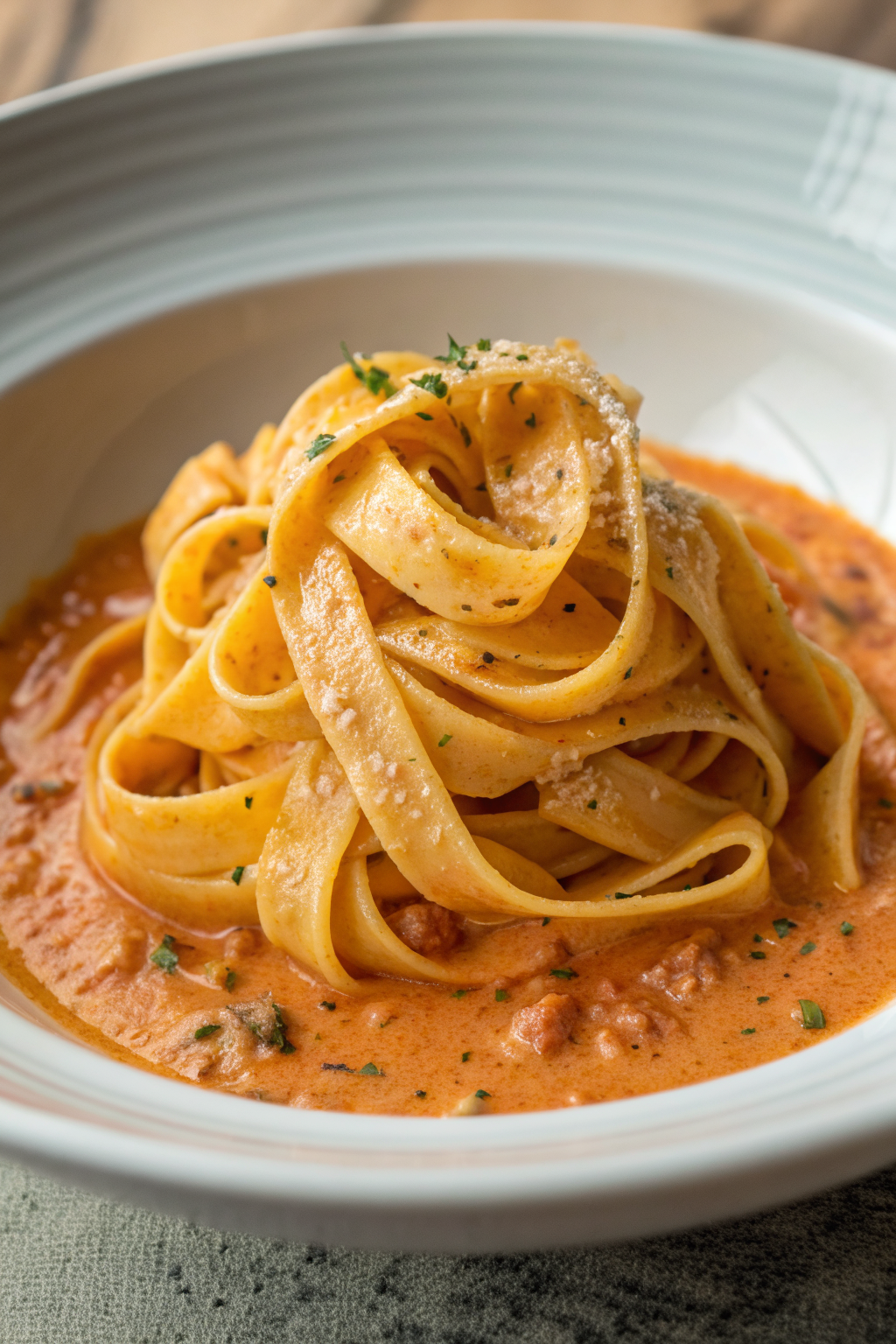
Serve the French Onion Pasta Recipe hot, with extra Parmesan on top. Add a few extra thyme leaves for a pretty finish if you have them. Then grab a fork and enjoy that cheesy, oniony goodness.
Variations I've Tried
I swapped the beef broth for vegetable broth and used extra mushrooms for a meatless version that still tasted rich and savory. I tried adding shredded rotisserie chicken at the end, which turned it into a full one-pan dinner with extra protein. I also stirred in sautéed mushrooms with the onions, and they soaked up the flavor and added a nice meaty texture.
I tested a lighter version with half-and-half instead of heavy cream and a bit less cheese, which still tasted comforting but felt a little less heavy. I also used different cheeses like a mix of mozzarella and white cheddar when I ran out of Gruyère, and it still tasted cheesy and satisfying. You can even add a handful of baby spinach at the end and stir until it wilts for a little green in your bowl.
How to Serve French Onion Pasta Recipe
Serve this French Onion Pasta Recipe in warm bowls so the sauce stays silky and comforting. Add a simple green salad on the side with a bright vinaigrette to cut through the richness. Garlic bread or toasted baguette slices taste great for scooping up extra sauce.
You can also top each bowl with a little extra grated Gruyère or Parmesan and a sprinkle of fresh thyme or parsley. If you cook for kids, keep the red pepper flakes on the table so everyone can season their own bowl.
How to store
- Store leftovers in an airtight container in the fridge for up to 3 days.
- Add a splash of broth, water, or milk before reheating to loosen the sauce.
- Reheat gently on the stove over low heat, stirring often, until hot and creamy again.
- Use the microwave in short bursts, stirring between each, and add a tiny bit of liquid if it looks dry.
- Freeze portions in freezer-safe containers for up to 2 months, then thaw overnight in the fridge and reheat with a splash of liquid to bring the sauce back to life.
French Onion Pasta Recipe
Ingredients
Instructions
- Peel the onions, slice them in half from root to tip, then cut into thin half-moons. Heat a large wide skillet over medium heat and add the butter and olive oil. When the butter is melted and foamy, add the sliced onions and a pinch of salt, tossing to coat.
- Cook the onions over medium heat, stirring every few minutes, until they soften and turn translucent. If the edges darken too quickly, lower the heat slightly and add a splash of water to loosen any browned bits.
- Continue cooking the onions for 25 to 30 minutes, stirring often, until they are deeply golden brown, jammy, and very soft. If the pan looks dry at any point, add a little more butter or a splash of broth to keep them glossy rather than dry or burnt.
- When the onions are caramelized, add the minced garlic, thyme leaves, and bay leaf. Cook for 1 to 2 minutes, stirring, until the garlic is fragrant. Stir in the Worcestershire sauce, then season with a bit more salt and a generous amount of black pepper. Remove and discard the bay leaf.
- Pour in the beef broth and water, scraping up any browned bits from the bottom of the pan. Bring the mixture to a gentle simmer over medium heat and taste, adjusting salt and pepper so the liquid is slightly more seasoned than you like.
- Add the dry pasta directly to the simmering onion broth. Stir well so the pasta does not clump. Cook according to the package directions, stirring frequently, until the pasta is just al dente. If the liquid reduces too much before the pasta is done, add a small splash of hot water or broth; you want some starchy liquid left in the pan.
- Lower the heat to low. Stir in the heavy cream until the sauce looks creamy and lightly thickened. Add the grated Gruyère and Parmesan in small handfuls, stirring after each addition until fully melted and the sauce is glossy and clings to the pasta. Adjust the consistency with a spoonful of broth or water if it looks too thick, then taste and adjust seasoning with more salt and pepper as needed.
- Turn off the heat and stir in the chopped parsley and a pinch of red pepper flakes, if using. Let the pasta sit for 1 to 2 minutes so the sauce settles and thickens slightly, then serve hot with extra Parmesan and a few thyme leaves on top if desired.
Notes
Approximate per serving (1 of 4): 650 calories; fat 33 g; saturated fat 18 g; carbohydrates 64 g; fiber 4 g; sugars 10 g; protein 23 g; sodium 1150 mg. Values will vary based on exact ingredients, brands, and portion size.