
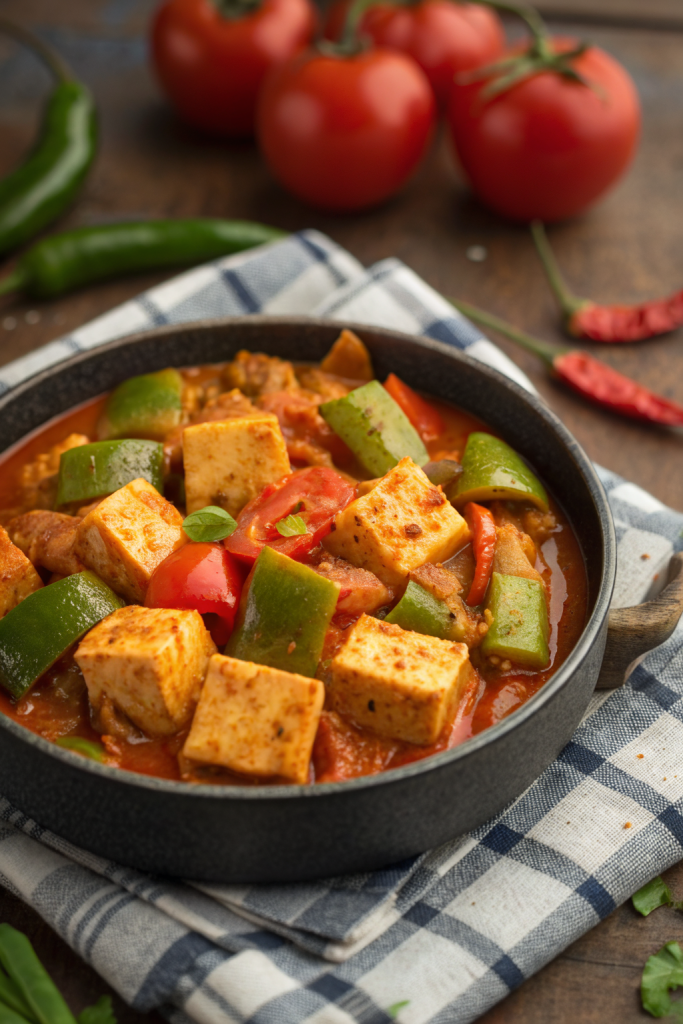
Vegan Paprikash Recipe tastes rich, smoky, creamy, and cozy, with tender veggies in a paprika-forward sauce that hugs every bite of noodles or potatoes. It works perfectly for busy weeknights or casual dinner parties, and you can get it on the table in about 40 minutes. I grew up on the classic version, and after a lot of trial, error, and paprika-stained T-shirts, I dialed in this plant-based version that hits all the nostalgic notes.
Why Vegan Paprikash Recipe Is Worth It
This Vegan Paprikash Recipe delivers all the comforting flavor of the Hungarian classic without dairy or meat. Sweet paprika, onions, garlic, and a silky cashew or coconut-based sauce team up to give you that deep, satisfying flavor that usually comes from sour cream and chicken.
You cook everything in one pot, so cleanup stays easy and weeknight-friendly. The recipe uses simple pantry ingredients, scales well for meal prep, and reheats like a dream, which my future-tired-self always appreciates.
“This Vegan Paprikash Recipe tastes like a cozy hug in a bowl, and nobody at my table guessed it was dairy-free. ★★★★★”
Ingredients You Need
Core ingredients
- Olive oil or avocado oil – Any neutral cooking oil works, but I like olive oil for flavor.
- Yellow onions (2 medium, thinly sliced) – Sliced, not diced, so they melt into the sauce.
- Red bell peppers (2 large, sliced into strips) – Red tastes sweetest; orange works too.
- Garlic (4–5 cloves, minced) – Fresh garlic gives the best flavor; jarred works in a pinch.
- Mushrooms (8–10 oz, sliced) – Cremini or baby bella bring a meaty bite; white button mushrooms also work.
- Tomato paste (2 tablespoons) – Tube tomato paste makes an easy pantry shortcut and stores well.
- Vegetable broth (2–2½ cups) – Use low-sodium so you control the salt level.
- Soy sauce or tamari (1–2 tablespoons) – Adds umami depth; tamari keeps it gluten-free.
Paprika and spices
- Sweet Hungarian paprika (2½–3 tablespoons) – Star of the show; choose a fresh, high-quality brand like Szeged or Pride of Szeged.
- Smoked paprika (½ teaspoon) – Adds gentle smokiness; skip if you want a milder, sweeter profile.
- Caraway seeds (½ teaspoon, lightly crushed) – Optional but traditional; crush between fingers or with a mortar and pestle.
- Bay leaf (1) – Adds background flavor.
- Salt and black pepper – Season to taste at the end so the flavors stay balanced.
Creamy element (dairy-free “sour cream” style)
Pick one of these options:
- Raw cashews (¾ cup) + water (¾ cup) – Soak 20–30 minutes in hot water, then blend until silky.
- Full-fat coconut milk (1 cup) – Use canned, not carton; gives a slightly coconut note that paprika covers nicely.
- Unsweetened plain vegan yogurt (1 cup) – Choose a thick style (coconut or soy) with no vanilla or sugar.
Thickener and balance
- All-purpose flour (1½ tablespoons) – Helps thicken the sauce; use a gluten-free blend if needed.
- Lemon juice (1–2 tablespoons) – Brightens the sauce at the end and mimics sour cream tang.
- Maple syrup or sugar (½–1 teaspoon, optional) – Balances acidity if your tomato paste tastes sharp.
Protein add-ins (optional but tasty)
- Firm or extra-firm tofu (1 block, pressed and cubed) – Pan-sear in a bit of oil and soy sauce for extra flavor.
- Chickpeas (1 can, drained and rinsed) – Easy pantry protein that holds up in the sauce.
- Seitan strips or soy curls – Great if you want a chewier, “chicken-style” bite.
What to serve it with
- Wide egg-free noodles or tagliatelle – Check labels for vegan-friendly brands.
- Mashed potatoes or boiled potatoes – Classic and super cozy.
- Rice, quinoa, or cauliflower rice – Good if you want gluten-free or lighter options.
Equipment list
- Large, deep skillet or Dutch oven
- Cutting board and sharp knife
- Wooden spoon or spatula
- Measuring cups and spoons
- Blender (if using cashew cream)
- Small bowl and whisk (for flour slurry)
Quick Tips & substitutions
- Use fresh, bright-red paprika and toss any that smells dusty or looks brownish.
- Slice onions and peppers into thin strips, not chunks, so they soften and mingle with the sauce.
- Swap cashew cream with coconut milk or thick vegan yogurt if you avoid nuts.
- Choose tamari and gluten-free flour to keep the Vegan Paprikash Recipe fully gluten-free.
- Brown tofu or mushrooms well before adding liquid so they develop deep flavor.
- Add more broth for a looser, stew-like sauce or simmer longer for a thicker, clingy sauce.
- Stir paprika off the heat for a few seconds with the oil and onions so it blooms without burning.
- Taste at the end and adjust with salt, lemon juice, and a pinch of sugar until the flavors pop.
How to Make Vegan Paprikash Recipe
Step 1: Prep the veggies and cream
Slice onions into thin half-moons and cut bell peppers into strips. Clean and slice mushrooms. Mince garlic and set everything aside in small piles so cooking moves smoothly.
If you use cashew cream, soak cashews in hot water for 20–30 minutes. Drain, then blend with fresh water until completely smooth and silky. If you use coconut milk or vegan yogurt, stir it well and keep it chilled until you need it.
Step 2: Sauté onions, peppers, and mushrooms
Heat a large skillet or Dutch oven over medium heat and add oil. Add sliced onions with a pinch of salt and cook 5–7 minutes, stirring often, until they soften and turn lightly golden. Add bell peppers and cook another 4–5 minutes until they start to soften.
Add mushrooms and cook 5–7 minutes more, stirring occasionally, until they release their moisture and take on some color. If the pan looks dry, drizzle in a bit more oil. Keep the heat at medium so the veggies caramelize gently without scorching.
Step 3: Add garlic, paprika, and tomato paste
Stir in minced garlic and cook about 30 seconds until fragrant. Add tomato paste and cook 1–2 minutes, stirring, so it darkens slightly and tastes sweeter. Turn the heat to low, then sprinkle in sweet paprika, smoked paprika, and caraway seeds.
Stir constantly for about 30 seconds so the spices coat the veggies and bloom in the oil. Keep the heat gentle so the paprika does not burn, since burnt paprika tastes bitter. Once the mixture smells rich and smoky, move to the next step.
Step 4: Deglaze and simmer
Pour in vegetable broth and soy sauce or tamari while you scrape the bottom of the pan to loosen any browned bits. Add the bay leaf and stir everything together. Bring the mixture to a gentle simmer over medium heat.
Let it simmer 10–12 minutes, uncovered, so the flavors meld and the sauce reduces slightly. Stir occasionally so nothing sticks. Taste the broth and adjust salt if needed at this stage.
Step 5: Thicken the sauce
In a small bowl, whisk flour with a few tablespoons of cool water or broth until smooth and lump-free. Slowly drizzle this slurry into the simmering sauce while you stir constantly. Keep the heat at a gentle simmer and cook 3–4 minutes until the sauce thickens.
If the sauce looks too thick, add a splash of broth to loosen it. If it still looks thin after a few minutes, whisk a bit more flour with water and add in small amounts until you like the texture. Pull out the bay leaf once the sauce reaches a nice, velvety consistency.
Step 6: Add the creamy element
Turn the heat to low. Stir in cashew cream, coconut milk, or vegan yogurt until the sauce turns creamy and orange-red. Taste and add lemon juice 1 tablespoon at a time until the flavor brightens and mimics a tangy sour cream note.
If the sauce tastes too sharp or acidic, stir in a tiny bit of maple syrup or sugar. Keep the heat gentle so the creamy element does not curdle, especially if you use yogurt. Let it warm through for 2–3 minutes while you stir.
Step 7: Add protein (optional) and finish seasoning
If you use tofu, chickpeas, or seitan, stir them into the sauce now. Let them simmer 3–5 minutes so they soak up flavor and heat through. Taste again and adjust salt, pepper, lemon juice, and paprika until the Vegan Paprikash Recipe tastes bold and balanced.
If you want more smokiness, add a pinch more smoked paprika. If you want more sweetness, add a bit more sweet paprika. Turn off the heat and cover the pot while you prep your noodles or potatoes.
Step 8: Cook your base and serve
Cook noodles, potatoes, rice, or your chosen base according to package directions. Drain well so extra water does not thin the sauce. Spoon a generous amount of Vegan Paprikash Recipe over the base.
Top with fresh chopped parsley or chives for color and freshness. Add a squeeze of extra lemon juice at the table if you like more tang. Serve hot while the sauce stays silky and comforting.
Recipe Variations
- Gluten-free – Use tamari, gluten-free flour or cornstarch for thickening, and serve over gluten-free noodles, rice, or potatoes.
- Nut-free – Skip cashews and use full-fat coconut milk or thick soy-based vegan yogurt.
- Low carb – Serve over cauliflower rice, zucchini noodles, or steamed green beans.
- Extra protein – Add pan-seared tofu cubes, tempeh, chickpeas, or lentils.
- Extra veggies – Stir in spinach, kale, peas, or green beans near the end of cooking.
- Spicier version – Add a pinch of hot Hungarian paprika or red pepper flakes.
- Richer version – Swirl in an extra spoonful of cashew cream or coconut milk right before serving.
Ways to Serve Vegan Paprikash Recipe
- Spoon over wide noodles with a sprinkle of fresh parsley.
- Serve on top of creamy mashed potatoes with a side of steamed green peas.
- Pair with fluffy white rice, brown rice, or quinoa.
- Ladle into a bowl and scoop with crusty bread or warm flatbread.
- Serve alongside a crisp cucumber salad with dill and lemon.
- Offer with roasted carrots or Brussels sprouts for a veggie-packed plate.
Storage Success
Let the Vegan Paprikash Recipe cool to room temperature, then store it in an airtight container in the fridge for up to 4 days. The flavors deepen overnight, so leftovers often taste even better. Reheat gently on the stove over low to medium heat and add a splash of broth or water if the sauce thickens too much.
You can freeze the sauce for 2–3 months, though cashew and coconut-based versions hold texture better than yogurt-based ones. Thaw in the fridge overnight, then warm on the stove and adjust seasoning with a bit of fresh lemon juice and paprika before serving.