

Italian Penicillin Soup Recipe tastes like a cozy hug in a bowl, with rich chicken broth, tender veggies, and bright lemon that clears your head and comforts your soul. It works perfectly for cold season, busy weeknights, or anyone who wants a healing, one-pot dinner in about 1 hour. I grew up in a big Italian-American family, and this is the soup everyone still texts me about when they feel a sniffle coming on.
Why Make This Italian Penicillin Soup Recipe at Home
Homemade Italian Penicillin Soup gives you control over the salt, the quality of the chicken, and how much garlic you want to throw in when you feel a cold chasing you. You can pack in extra veggies, use gluten-free pasta or rice, and tweak the lemon and herbs to match your mood.
You also stretch one pot of soup into several meals, which saves money and time. Leftovers taste even better the next day, and the broth thickens slightly and turns silky from the starch in the pasta.
“This Italian Penicillin Soup Recipe tasted like my nonna came over, yelled at my cold, and chased it away with a wooden spoon and a ladle of broth. ★★★★★”
Ingredients You Need
Chicken & Broth
- 2 tablespoons olive oil
- 1 medium yellow onion, diced
- 3 medium carrots, peeled and sliced into coins
- 2 celery stalks, sliced
- 5 to 6 garlic cloves, minced (use jarred minced garlic in water as a shortcut)
- 1.5 to 2 pounds bone-in, skin-on chicken thighs or drumsticks
- 8 cups low-sodium chicken broth (I like Swanson or Kitchen Basics, or use homemade stock)
- 2 cups water, as needed to adjust consistency
- 1 to 2 bay leaves
Herbs, Seasoning & “Penicillin” Boosters
- 1 teaspoon kosher salt to start, plus more to taste
- 1 teaspoon freshly ground black pepper
- 1 teaspoon dried oregano
- 1 teaspoon dried thyme or Italian seasoning
- 1 teaspoon crushed red pepper flakes (optional, for a little kick)
- Zest of 1 lemon
- Juice of 1 to 2 lemons (start with 1, add more to taste)
- 2 tablespoons chopped fresh parsley
- 2 tablespoons chopped fresh dill (optional but highly recommended)
- 2 tablespoons grated fresh ginger or 1 teaspoon ground ginger (optional immune boost)
Pasta & Add-ins
- 1 to 1½ cups small pasta such as ditalini, orzo, small shells, or pastina
- Use gluten-free pasta if needed and cook it separately to keep the broth clear.
- 1 cup baby spinach or chopped kale
- ½ cup grated Parmesan or Pecorino Romano cheese, plus more for serving
- 1 large egg, beaten (optional, for a silky stracciatella-style finish)
Pantry Shortcuts & Substitutions
- Use rotisserie chicken instead of raw chicken; add it shredded near the end and simmer briefly.
- Use frozen mirepoix mix (onion, carrot, celery) to skip chopping.
- Use bouillon paste like Better Than Bouillon to boost a weaker store-bought broth.
- Swap lemon with a mix of lemon and lime if you run low on citrus.
Equipment List
- Large heavy-bottomed pot or Dutch oven (at least 6-quart)
- Cutting board and sharp knife
- Wooden spoon or heat-safe spatula
- Ladle
- Small bowl and whisk or fork (if using egg)
- Fine mesh strainer or slotted spoon
Tips & Mistakes
- Brown the chicken first to build flavor; avoid dropping raw chicken straight into the liquid without searing.
- Sauté the veggies until they soften and pick up a little color; do not rush this step or the broth will taste flat.
- Add garlic near the end of the sauté so it turns fragrant but does not burn.
- Season in layers; taste after the chicken cooks, after the pasta cooks, and after adding lemon.
- Cook pasta just until al dente; avoid overcooking or it will swell and soak up all the broth.
- If you plan to store leftovers, cook pasta separately and add it to each bowl to prevent mushy noodles.
- Add lemon juice off the heat; do not boil the soup hard after adding citrus or the flavor can turn harsh.
- Skim excess fat from the top if you prefer a lighter broth; leave some for flavor and that classic “healing” feel.
- Add spinach or kale at the end; avoid simmering greens for too long or they turn dull and soggy.
- Cool the soup quickly before refrigerating; do not leave the pot on the counter for hours.
How to Make Italian Penicillin Soup Recipe
Step 1: Sear the Chicken
Heat the olive oil in a large pot over medium-high heat. Pat the chicken dry with paper towels and season both sides with salt and pepper. Place the chicken pieces skin side down in the hot pot and sear until the skin turns deep golden, about 4 to 5 minutes per side. Transfer the browned chicken to a plate and keep it nearby.
Step 2: Build the Flavor Base
Lower the heat to medium. Add the onion, carrots, and celery to the pot and scrape up the browned bits from the bottom with a wooden spoon. Cook the veggies until they soften and smell sweet, about 6 to 8 minutes. Stir in the garlic and ginger and cook 1 minute, just until fragrant.
Step 3: Add Broth and Simmer
Pour in the chicken broth and water. Add the bay leaves, oregano, thyme or Italian seasoning, crushed red pepper flakes if using, and the seared chicken along with any juices from the plate. Bring the pot to a gentle boil, then lower the heat to maintain a steady simmer. Cover the pot slightly and cook until the chicken turns very tender and pulls away from the bone, about 25 to 30 minutes.
Step 4: Shred the Chicken
Turn off the heat for a moment and transfer the chicken pieces to a cutting board. Let them cool just enough to handle, then remove and discard the skin and bones. Shred the meat into bite-size pieces with two forks or your fingers. Return the shredded chicken to the pot and bring the soup back to a gentle simmer.
Step 5: Cook the Pasta
Stir in the pasta directly into the simmering soup and cook according to package directions until al dente. Stir often so the pasta does not stick to the bottom. Taste the broth and adjust the salt and pepper at this stage. If the soup looks too thick, add a little more water or broth.
(If you cook pasta separately to keep leftovers from getting soft, boil it in a different pot in salted water, then drain and portion it into bowls before ladling soup over.)
Step 6: Add Greens, Herbs, and Lemon
Once the pasta reaches al dente, stir in the spinach or kale and cook 1 to 2 minutes until the greens wilt. Turn off the heat. Stir in the lemon zest, lemon juice, parsley, dill, and Parmesan. Taste and adjust with more lemon, salt, or pepper until the flavor tastes bright and balanced.
Step 7: Optional Stracciatella Egg Finish
Beat the egg in a small bowl. Bring the soup back to a very gentle simmer, then stir the soup in one direction to create a swirl. Slowly drizzle in the beaten egg while you keep stirring so delicate ribbons form. Cook 1 minute, then turn off the heat.
Step 8: Final Adjustments and Serve
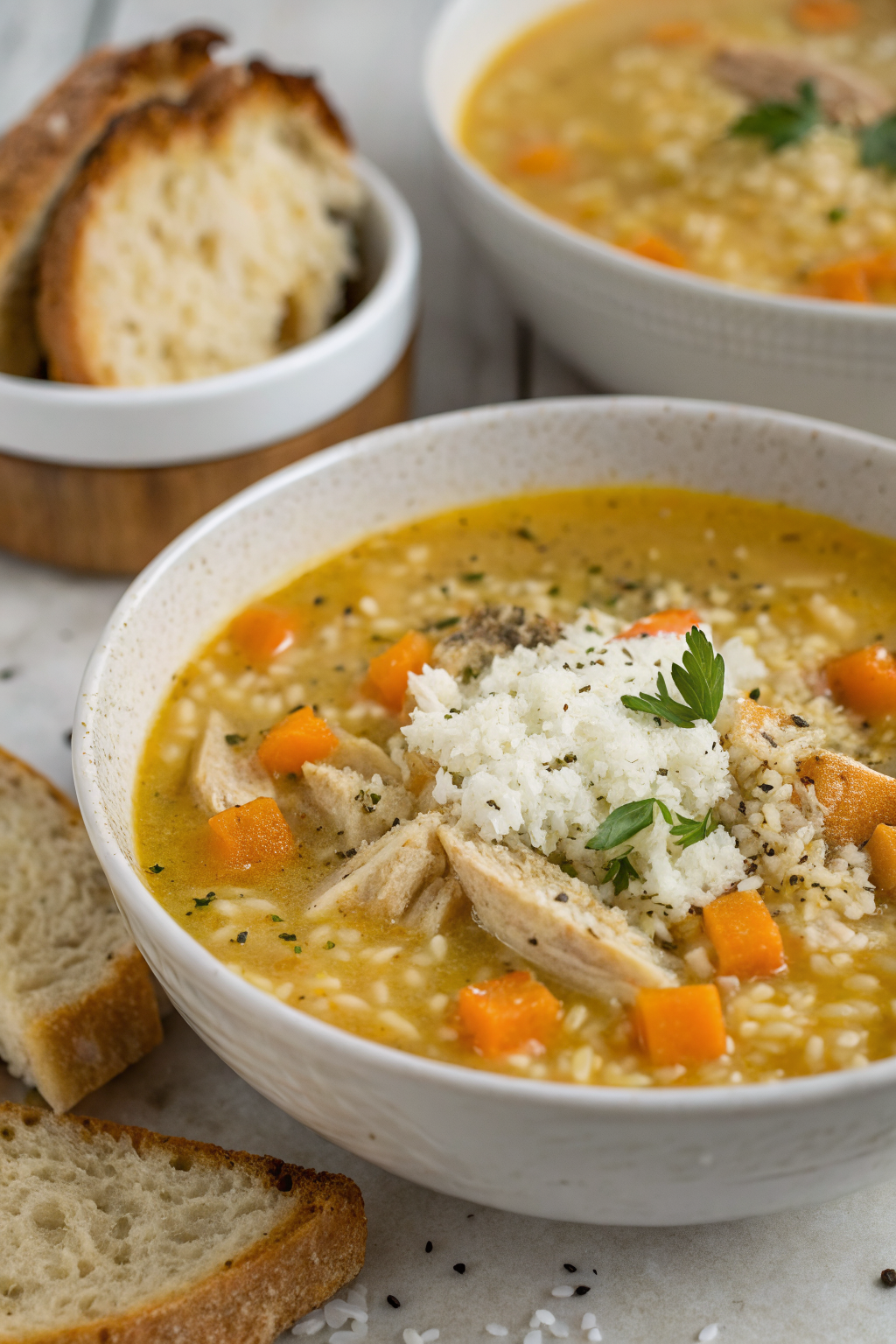
Check the consistency; thin with a splash of broth or water if it looks too thick. Taste one last time and tweak the lemon and seasoning. Ladle the Italian Penicillin Soup into warm bowls and top with extra Parmesan, more herbs, and a crack of black pepper.
Variations I've Tried
- Rice instead of pasta: Use cooked white rice or brown rice and stir it in at the end; this works great for gluten-free eaters and feels extra soothing.
- Spicy Calabrian version: Add a spoonful of Calabrian chili paste or extra red pepper flakes for a fiery version that clears your sinuses fast.
- Extra veggie version: Add zucchini, peas, or chopped fennel bulb with the carrots and celery for more fiber and flavor.
- Bone broth boost: Replace some or all of the broth with collagen-rich bone broth for a richer, more “medicinal” feel.
- Dairy-free: Skip the Parmesan and egg, and finish with extra olive oil, lemon, and herbs for a lighter but still comforting bowl.
How to Serve Italian Penicillin Soup Recipe
Serve Italian Penicillin Soup steaming hot in wide bowls so the aroma hits you first. Add a shower of fresh Parmesan, extra parsley or dill, and a squeeze of lemon at the table. Pair it with crusty bread, garlic toast, or simple buttered toast soldiers for dipping. Round out the meal with a crisp green salad or sliced fruit when you want something light and soothing.
How to store
- Fridge: Cool the soup quickly, then store it in airtight containers in the refrigerator for up to 4 days. If possible, keep pasta separate and add it to each bowl when reheating.
- Freezer: Freeze the soup without pasta in freezer-safe containers or bags for up to 3 months; add freshly cooked pasta when you reheat.
- Reheating on the stove: Reheat gently in a pot over medium-low heat, stirring often, until hot; add a splash of water or broth if it thickened in the fridge.
- Reheating in the microwave: Heat individual portions in a microwave-safe bowl in 60 to 90 second bursts, stirring between rounds, until hot throughout.
Italian Penicillin Soup Recipe
Ingredients
Instructions
- Season the chicken thighs on both sides with salt and pepper.
- Heat the olive oil in a large soup pot over medium-high heat. Add the chicken thighs, skin-side down, and sear until deeply browned, about 5 to 6 minutes per side. Transfer the chicken to a plate and set aside.
- Reduce the heat to medium. Add the onion, celery, and carrots to the pot. Cook, stirring often, until softened, 6 to 8 minutes.
- Stir in the garlic, oregano, basil, thyme, and a pinch of red pepper flakes if using. Cook until fragrant, about 1 minute.
- Pour in the chicken broth, scraping up any browned bits from the bottom of the pot. Return the chicken thighs and any accumulated juices to the pot.
- Bring to a boil, then reduce heat to a gentle simmer. Cover and cook until the chicken is cooked through and very tender, about 20 minutes.
- Transfer the chicken to a cutting board. Remove and discard the skin and bones, then shred the meat into bite-size pieces.
- Return the shredded chicken to the pot. Stir in the pasta and simmer, uncovered, until the pasta is al dente, about 8 to 10 minutes, stirring occasionally to prevent sticking.
- Stir in the spinach, lemon juice, Parmesan cheese, and parsley. Simmer for 1 to 2 minutes, just until the spinach wilts. Adjust seasoning with additional salt and pepper to taste.
- Ladle the soup into bowls and serve hot, with extra Parmesan on top if desired.
Notes
Approximate per serving (1/6 of recipe): 320 calories; fat 13 g; saturated fat 3.5 g; carbohydrates 27 g; fiber 3 g; sugars 4 g; protein 23 g; sodium 720 mg. Values will vary based on exact ingredients, brands, and portion size.
Leave a Reply