
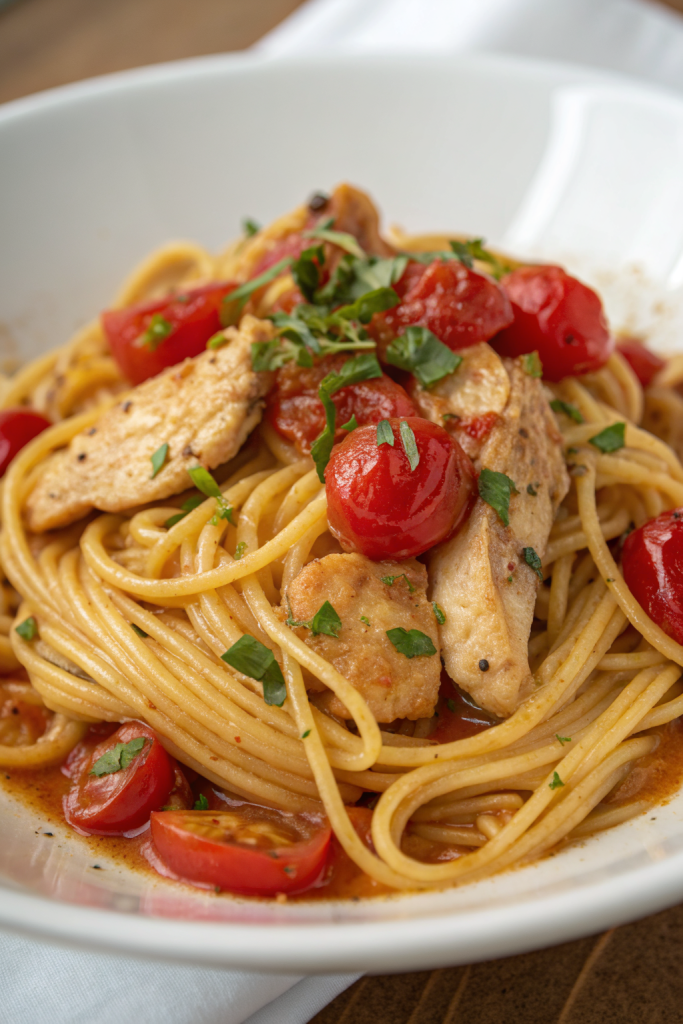
Honey Pepper Chicken Pasta Recipe tastes like a cozy mash-up of sweet, smoky, and creamy comfort food with a little pepper kick that keeps each bite interesting. It works well for busy weeknights or casual date nights, and you can get it on the table in about 35–40 minutes. I first cooked a version of this in a tiny apartment kitchen with one sad skillet, so if I pulled it off there, you can absolutely nail it at home.
Why Honey Pepper Chicken Pasta Recipe Is Worth It
This honey pepper chicken pasta recipe hits that sweet-heat-salty combo that people devour without talking. The honey balances the black pepper and chili flakes, while the creamy sauce hugs every piece of pasta and chicken.
You also cook everything in a few basic pans, so cleanup stays pretty chill. Leftovers taste even better the next day, which makes this a solid meal prep option.
“This Honey Pepper Chicken Pasta Recipe tastes like restaurant comfort food at home, and my family licks the plates clean every time. ★★★★★”
Ingredients You Need
Pasta & Chicken
- 12 oz short pasta (penne, rotini, or rigatoni work great)
- 1.25–1.5 lb boneless skinless chicken breasts or thighs, cut in bite-size pieces
- 1 tsp kosher salt
- ½ tsp black pepper
- ½ tsp smoked paprika (regular paprika works if that’s what you have)
- ¼ tsp garlic powder
Honey Pepper Sauce
- 3 tbsp butter (salted or unsalted both work; adjust salt to taste)
- 2 tbsp olive oil
- 4 cloves garlic, minced (or 1½ tsp garlic paste from a tube)
- 2–3 tbsp honey (start with 2 tbsp, add more if you like it sweeter)
- 1–1½ tsp freshly ground black pepper (coarse grind tastes best)
- ¼–½ tsp crushed red pepper flakes (adjust for heat level)
- 1 cup low-sodium chicken broth (boxed stock or bouillon cube both work)
- 1 cup heavy cream or half-and-half (heavy cream gives a thicker sauce)
- ½ cup grated Parmesan cheese (use real Parm, not the green can, if possible)
- ½ tsp salt, plus more to taste
- Juice of ½ lemon (about 1–2 tbsp)
Veggies & Add-Ins
- 1 small yellow onion, thinly sliced
- 1 red bell pepper, thinly sliced
- 1 cup frozen peas or broccoli florets (no need to thaw peas)
- 2 tbsp chopped fresh parsley or green onions for garnish
Pantry Shortcuts & Notes
- Use pre-minced garlic from a jar if you want to save time.
- Use rotisserie chicken instead of raw chicken; just skip the browning step and stir it in near the end.
- Use pre-shredded Parmesan in a pinch, but grate your own if you want a smoother sauce.
- Use any short pasta shape you already have; the sauce clings best to ridged shapes like penne rigate.
Equipment
- Large pot for boiling pasta
- Large deep skillet or sauté pan (12-inch works well)
- Tongs or spatula
- Wooden spoon or silicone spatula
- Measuring cups and spoons
- Colander
- Cutting board and sharp knife
Quick Tips & substitutions
- Salt the pasta water generously so the pasta carries flavor before it hits the sauce.
- Cook the pasta just to al dente, then finish it in the sauce so it soaks up flavor.
- Use chicken thighs if you want juicier meat that stays tender even if it cooks a bit longer.
- Swap heavy cream with half-and-half for a lighter sauce, or use evaporated milk if that’s what you have.
- Use maple syrup instead of honey in a pinch; the flavor shifts slightly deeper but still tastes great.
- Tone down the heat by cutting the crushed red pepper in half, or skip it and lean on black pepper only.
- Add extra veggies like spinach, mushrooms, or zucchini; sauté them after the onion and pepper.
- Use gluten-free pasta and gluten-free broth if you need a gluten-free version.
- Thin the sauce with a splash of pasta water if it thickens more than you like.
- Taste and adjust salt, honey, and pepper at the end so the balance fits your preferences.
How to Make Honey Pepper Chicken Pasta Recipe
Step 1: Cook the Pasta
Bring a large pot of water to a boil and add a generous handful of salt. Add the pasta and cook until al dente, usually 1–2 minutes less than the package suggests. Scoop out 1 cup of starchy pasta water, then drain the pasta and set it aside.
Step 2: Season the Chicken
Pat the chicken pieces dry with paper towels so they brown instead of steam. Toss the chicken with salt, black pepper, smoked paprika, and garlic powder until every piece looks coated. Set the seasoned chicken near the stove so you can move quickly.
Step 3: Brown the Chicken
Heat 1 tbsp olive oil and 1 tbsp butter in a large skillet over medium-high heat. Add the chicken in a single layer and cook it without moving it for 2–3 minutes so it develops color. Stir and cook another 3–4 minutes until the chicken cooks through and the pieces show golden edges, then transfer them to a plate.
Step 4: Sauté the Veggies
In the same skillet, add the remaining 1 tbsp olive oil and 1 tbsp butter. Add the sliced onion and bell pepper with a pinch of salt and cook over medium heat for 4–5 minutes until they soften and pick up some color. Stir in the garlic and cook 30–60 seconds until it smells fragrant, not burnt.
Step 5: Build the Honey Pepper Base
Reduce the heat slightly and add honey, black pepper, and crushed red pepper flakes to the skillet. Stir everything so the honey coats the veggies and starts to bubble gently. Pour in the chicken broth and scrape up any browned bits from the bottom of the pan because those bits carry a ton of flavor.
Step 6: Add Cream and Cheese
Stir in the heavy cream and bring the mixture to a gentle simmer, not a wild boil. Sprinkle in the Parmesan cheese and stir until it melts and the sauce thickens slightly. Taste and add salt if you need it, keeping in mind the cheese already adds some saltiness.
Step 7: Combine Pasta and Chicken
Add the cooked chicken and any juices from the plate back into the skillet. Toss in the drained pasta and stir so the sauce coats every piece. If the sauce looks too thick, add a splash of the reserved pasta water until it reaches your ideal consistency.
Step 8: Finish with Veggies and Brightness
Add the frozen peas or broccoli and stir them into the hot pasta until they heat through. Squeeze in the lemon juice and give everything a final toss; the citrus cuts through the richness and brightens the honey pepper flavor. Taste again and adjust honey, black pepper, or chili flakes to hit your perfect sweet-heat balance.
Step 9: Garnish and Serve
Turn off the heat and sprinkle chopped parsley or green onions over the top. Add an extra dusting of Parmesan if that makes your heart happy. Serve the honey pepper chicken pasta hot, straight from the skillet, while the sauce still clings beautifully to the noodles.
Recipe Variations
- Gluten-free: Use gluten-free pasta and confirm your broth and spices list gluten-free on the label.
- Vegan: Swap chicken with chickpeas or sautéed tofu, use olive oil instead of butter, and use coconut milk or cashew cream plus a vegan Parmesan-style cheese.
- Low carb: Use zucchini noodles or hearts of palm pasta and reduce the honey slightly; thicken the sauce by simmering longer.
- Extra protein: Add crispy bacon bits or turkey bacon, or toss in cooked shrimp during the last few minutes.
- Extra veggies: Add spinach, mushrooms, or cherry tomatoes; sauté them with the onion and pepper.
- Extra spicy: Increase crushed red pepper and add a pinch of cayenne for more kick.
Ways to Serve Honey Pepper Chicken Pasta Recipe
- Serve with a simple green salad with lemony dressing to balance the creamy sauce.
- Pair with garlic bread or warm crusty bread to scoop up every last bit of honey pepper sauce.
- Add a side of roasted veggies like broccoli, carrots, or green beans for extra color and crunch.
- Pack leftovers in meal prep containers for easy office lunches or quick dinners.
Storage Success
Cool the honey pepper chicken pasta to room temperature, then store it in airtight containers in the fridge for up to 3–4 days. Reheat it gently on the stove over low heat with a splash of milk, cream, or broth to loosen the sauce. Stir often while it warms so the sauce stays smooth and the pasta heats evenly. Freeze portions for up to 2 months if you want, and thaw them in the fridge overnight before reheating.
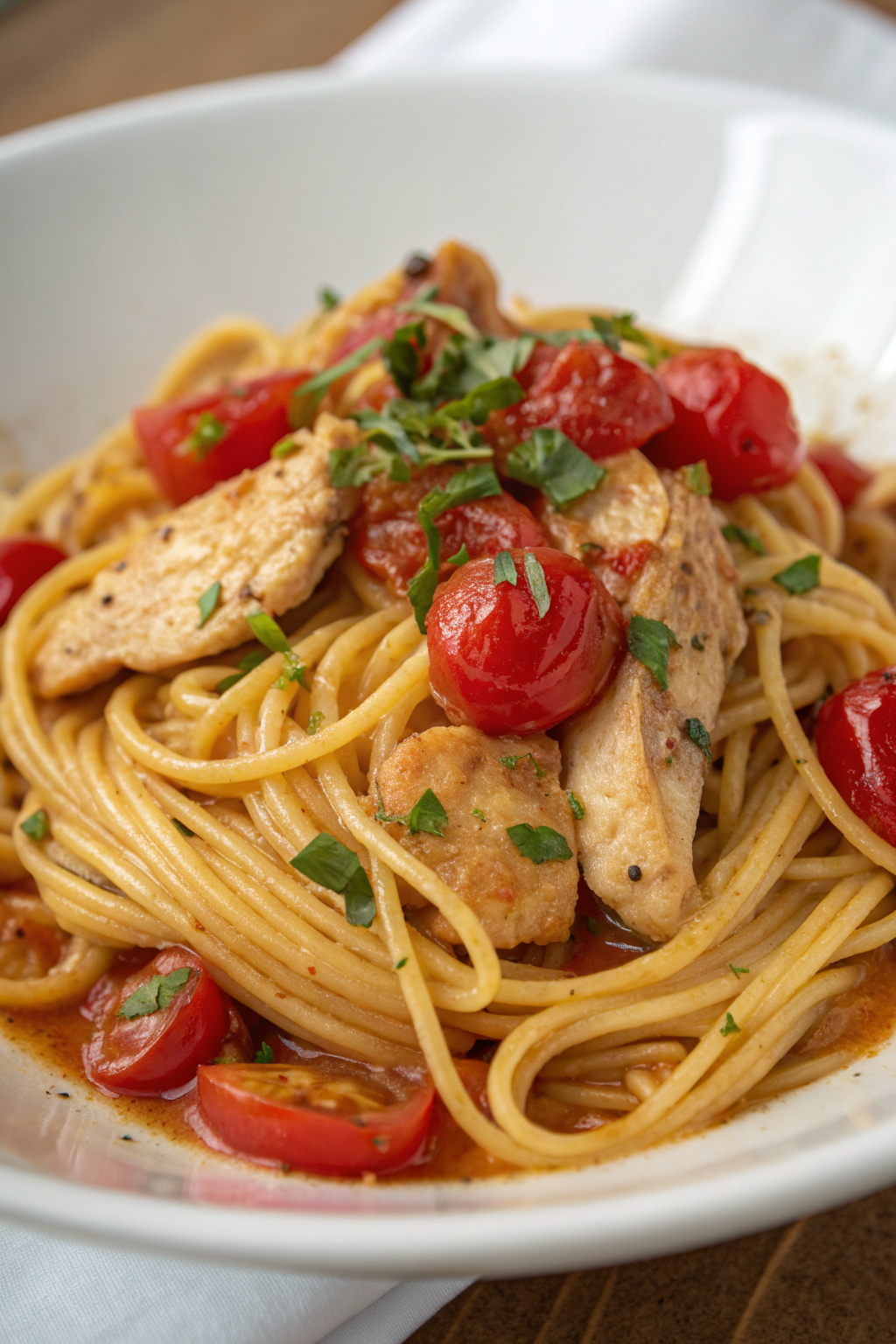
Honey Pepper Chicken Pasta Recipe
Ingredients
Instructions
- Bring a large pot of salted water to a boil. Add the pasta and cook until al dente, 1–2 minutes less than the package directs. Reserve 1 cup of pasta water, then drain and set the pasta aside.
- Pat the chicken dry with paper towels. Toss with kosher salt, black pepper, smoked paprika, and garlic powder until evenly coated.
- Heat 1 tablespoon olive oil and 1 tablespoon butter in a large skillet over medium-high heat. Add the chicken in a single layer and cook without moving for 2–3 minutes, then stir and cook another 3–4 minutes until cooked through and golden at the edges. Transfer the chicken to a plate.
- In the same skillet, add the remaining 1 tablespoon olive oil and 1 tablespoon butter. Add the sliced onion and red bell pepper with a pinch of salt and cook over medium heat for 4–5 minutes, until softened and lightly browned. Stir in the minced garlic and cook 30–60 seconds, just until fragrant.
- Reduce the heat slightly. Add the honey, freshly ground black pepper, and crushed red pepper flakes, stirring to coat the veggies until the honey bubbles gently. Pour in the chicken broth and scrape up any browned bits from the bottom of the pan.
- Stir in the heavy cream and bring to a gentle simmer. Sprinkle in the Parmesan cheese and stir until melted and the sauce thickens slightly. Taste and add more salt if needed.
- Return the cooked chicken and any accumulated juices to the skillet. Add the drained pasta and toss to coat in the sauce, adding a splash of reserved pasta water if the sauce seems too thick.
- Stir in the frozen peas or broccoli and cook for a few minutes until heated through. Add the lemon juice and toss again, adjusting honey, black pepper, or red pepper flakes to taste.
- Remove from heat, sprinkle with chopped parsley or green onions and extra Parmesan if desired, and serve hot straight from the skillet.
Notes
Approximate per serving (1/4 of recipe): 720 calories; fat 34 g; saturated fat 16 g; carbohydrates 70 g; fiber 4 g; sugars 10 g; protein 38 g; sodium 920 mg. Values are estimates and will vary based on specific ingredients, brands, and portion sizes.