
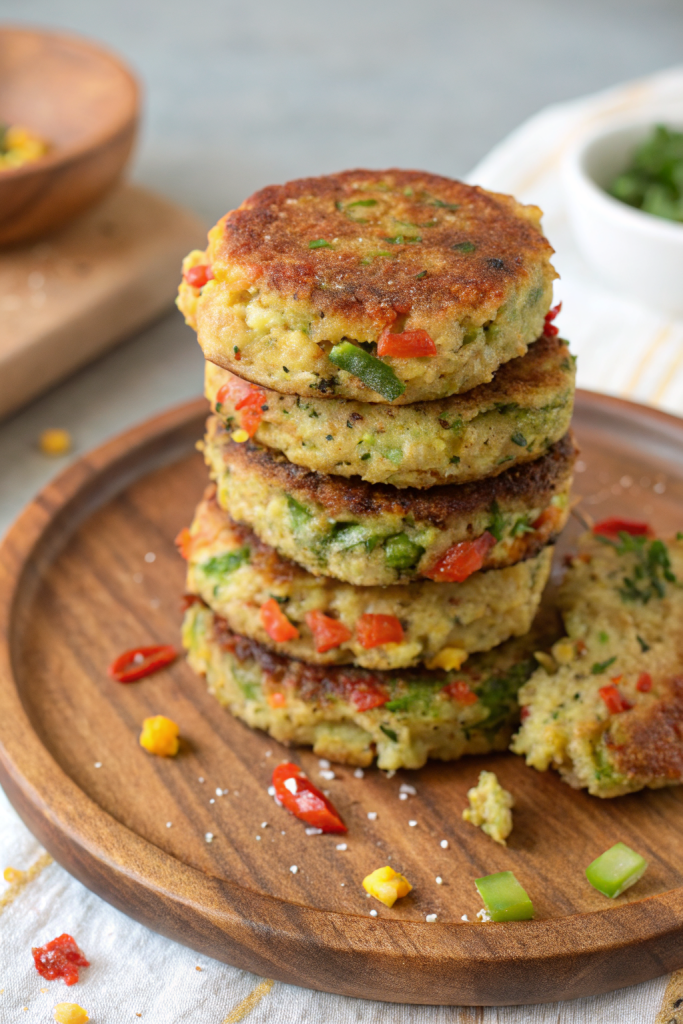
Greek Tomato Fritters Recipe tastes like summer in every bite, with sweet juicy tomatoes, herbs, and salty feta in a crisp, golden shell. It works perfectly for busy home cooks who want a 30–35 minute appetizer or light meal that feels special without a ton of work. I first tried these in a tiny taverna on Santorini and have chased that flavor in my own kitchen ever since.
Why You Should Try This Greek Tomato Fritters Recipe
These Greek tomato fritters, or domatokeftedes, pack big flavor from simple ingredients. You get crispy edges, soft centers, bright tomato, fresh herbs, and little pockets of melty feta.
They fit a lot of situations: easy appetizer, vegetarian main, or snack for game night. Kids usually love them too, since they taste like a cross between a tomato-y fritter and a herby pancake.
“These Greek tomato fritters taste like a vacation on a plate, with crunchy edges and juicy, herby centers that disappear faster than I can fry them ★★★★★”
Ingredients You’ll Need
Tomatoes
- 4 large ripe tomatoes, finely chopped (about 3 cups; use the ripest you can find, Roma or vine-ripened work great)
- 1 small handful cherry tomatoes, chopped (optional, but they add extra sweetness and texture)
Vegetables & Herbs
- 1 small red onion, very finely chopped
- 2 green onions, thinly sliced
- 1 small red bell pepper, finely diced (optional, adds sweetness and color)
- 1 small handful fresh parsley, finely chopped
- 1 small handful fresh mint, finely chopped (classic in Greek tomato fritters, do not skip if possible)
- 1 small handful fresh dill, finely chopped (optional, but I love the flavor)
Cheese & Eggs
- 4 ounces feta cheese, crumbled (I prefer a block in brine; it tastes creamier than pre-crumbled)
- 1 large egg, lightly beaten
- 1 extra egg on standby (only if the mixture feels too dry)
Dry Ingredients
- 1 cup all-purpose flour (plus 2–4 tablespoons more if the batter feels too loose)
- 1 teaspoon baking powder
- ½ teaspoon baking soda
- ½–1 teaspoon fine sea salt (go light at first because feta adds salt)
- ½ teaspoon freshly ground black pepper
- 1 teaspoon dried oregano
- ½ teaspoon garlic powder (or 1 small clove garlic, very finely minced)
- ¼ teaspoon crushed red pepper flakes (optional, for a little heat)
Oil & Garnish
- Neutral frying oil, enough to cover the skillet in a shallow layer (avocado, canola, sunflower, or light olive oil)
- Lemon wedges, for serving
- Extra chopped herbs, for garnish
- Thick Greek yogurt or tzatziki, for dipping
Pantry shortcuts & substitutions
- Use canned diced tomatoes in a pinch: drain them very well and pat dry, then mix with a handful of chopped fresh cherry tomatoes for better texture.
- Swap feta with crumbled goat cheese or a mix of feta and shredded low-moisture mozzarella for a milder flavor.
- Use dried herbs if needed: 1 teaspoon dried parsley and 1 teaspoon dried mint can stand in when fresh herbs hide from you.
- Gluten free option: use a 1:1 gluten free all-purpose blend and add 1 extra tablespoon to help the batter hold.
Equipment
- Large mixing bowl
- Fine mesh strainer or colander
- Clean kitchen towel or cheesecloth
- Cutting board and sharp knife
- Measuring cups and spoons
- Large skillet or shallow Dutch oven
- Slotted spoon or spatula
- Paper towels or a wire rack for draining
- Small cookie scoop or large spoon for portioning
Tips & Tricks
- Salt the chopped tomatoes lightly and drain them in a strainer for at least 15 minutes so the fritters turn crisp instead of soggy.
- Squeeze the drained tomatoes in a clean towel to remove extra moisture if they still feel very wet.
- Keep the batter thick, like a loose cookie dough, not like pancake batter; add flour a spoonful at a time until it holds a mound on a spoon.
- Taste a tiny test fritter first so you can adjust salt, herbs, or heat before you fry the whole batch.
- Maintain medium heat; if the oil smokes, lower the heat, and if the fritters barely sizzle, raise it a bit.
- Use a small cookie scoop or two spoons to portion evenly so all fritters cook at the same rate.
- Do not crowd the pan; fry in batches so each fritter gets enough hot oil around it.
- Drain on a wire rack over a sheet pan if possible; this keeps the bottoms from steaming and turning soft.
- Serve Greek tomato fritters hot or warm; they still taste good at room temperature, but the crunch peaks right out of the pan.
- Stir the batter between batches because tomato juices like to sink to the bottom of the bowl.
How to Make Greek Tomato Fritters Recipe
Step 1: Prep and drain the tomatoes
Chop the tomatoes into small pieces, about pea-sized, so they mix evenly into the batter. Place them in a strainer set over a bowl and sprinkle with a pinch of salt. Toss gently and let them sit for 15–20 minutes so extra liquid drips out.
After they drain, squeeze the tomatoes gently in a clean kitchen towel or cheesecloth. You do not need to dry them completely, just remove the excess liquid. This step gives you Greek tomato fritters with crisp edges instead of floppy ones.
Step 2: Mix the flavor base
Add the drained tomatoes to a large mixing bowl. Stir in the red onion, green onions, bell pepper, parsley, mint, and dill. Mix until the vegetables and herbs spread evenly through the tomatoes.
Crumble in the feta and fold it through the mixture. Add the beaten egg and stir again. The mixture should look colorful and chunky, with feta and herbs in every scoop.
Step 3: Add the dry ingredients
In a separate small bowl, whisk together the flour, baking powder, baking soda, salt, pepper, oregano, garlic powder, and red pepper flakes. This keeps the leavening and seasoning from clumping. Sprinkle the dry mixture over the tomato mixture.
Fold gently until no dry flour streaks remain. Check the texture: the batter should feel thick and spoonable, not runny. If it looks too loose or watery, add 1 tablespoon of flour at a time and stir again until it holds a soft mound on a spoon.
Step 4: Rest the batter
Let the batter sit on the counter for about 10 minutes. The flour hydrates and the baking powder and soda start to work. This short rest gives you fluffier Greek tomato fritters.
During this time, heat your skillet over medium heat. Add enough oil to cover the bottom in a shallow layer, about ¼ inch deep. Give the oil a few minutes to heat up.
Step 5: Test the oil
Check the oil temperature by dropping in a tiny bit of batter. If it sizzles immediately and small bubbles form around it, the oil sits at the right temperature. If it browns in under 30 seconds, lower the heat a bit.
If it barely sizzles, wait another minute and test again. You want a steady, happy sizzle, not a furious one. This control keeps the fritters golden and cooked through.
Step 6: Fry the fritters
Scoop heaping tablespoons of batter into the hot oil, leaving space between each fritter. Flatten each mound slightly with the back of the spoon so it cooks evenly. Aim for fritters about 2 to 2½ inches wide.
Cook each side for about 2–3 minutes until deep golden and crisp. Flip gently with a spatula or slotted spoon. Adjust the heat as needed so they brown slowly and cook through without burning.
Step 7: Drain and repeat
Transfer cooked fritters to a paper towel lined plate or a wire rack set over a sheet pan. Sprinkle with a tiny pinch of salt while they still feel hot if you like a little extra seasoning. Continue with the remaining batter, stirring the bowl between batches.
If the oil level drops, add a bit more and let it heat before you add more batter. Work in batches so you never crowd the pan. This method keeps every Greek tomato fritter nicely crisp.
Step 8: Serve
Serve the fritters hot or warm with lemon wedges and a bowl of Greek yogurt or tzatziki. Add extra chopped herbs on top for color and freshness. Watch them disappear faster than you expect.
What to Serve with Greek Tomato Fritters Recipe
Greek tomato fritters pair beautifully with a simple Greek salad, cucumber slices, and olives for a light Mediterranean style spread. Add warm pita bread, hummus, and a bowl of tzatziki for dipping to turn them into a full meal. They also taste great next to grilled chicken, roasted vegetables, or a big platter of lemony potatoes.
For drinks, serve iced tea with lemon, sparkling water with cucumber slices, or a fruity mocktail. Kids usually enjoy them with cold milk or a simple lemonade. I like to set everything out family style so people can build their own plates.
Storage Options
- Cool leftover Greek tomato fritters completely, then store them in an airtight container in the fridge for up to 3 days.
- Place parchment between layers so they do not stick together.
- Freeze in a single layer on a sheet pan, then transfer to a freezer bag; they keep well for up to 2 months.
- Reheat in a 375°F (190°C) oven or air fryer for 8–10 minutes until hot and crisp again; avoid the microwave if you want to keep the crunch.
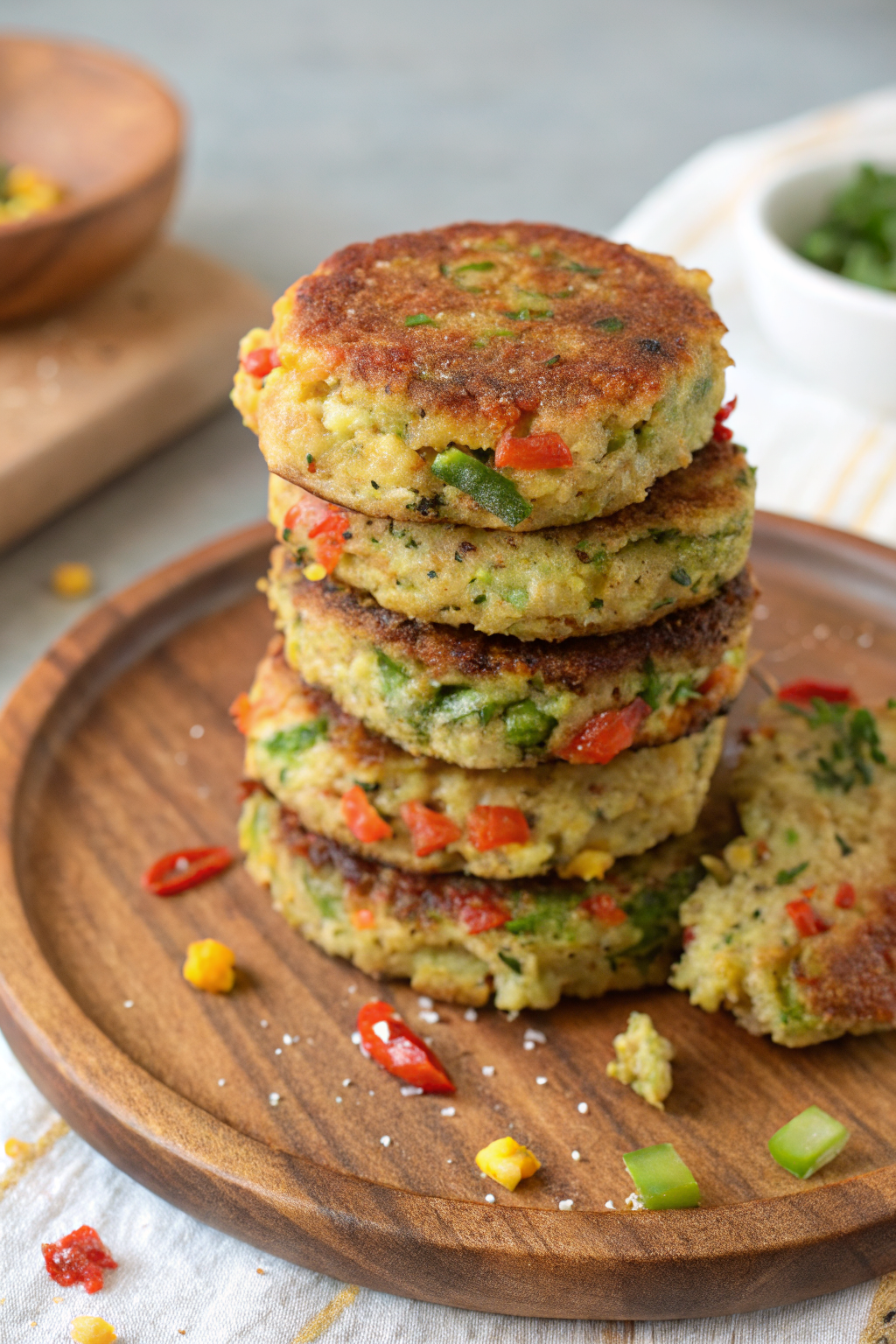
Greek Tomato Fritters Recipe
Ingredients
Instructions
- Chop the tomatoes into small, pea-sized pieces. Place them in a strainer set over a bowl, sprinkle with a pinch of salt, toss gently, and let drain for 15–20 minutes to remove excess liquid.
- After draining, gently squeeze the tomatoes in a clean kitchen towel or cheesecloth to remove additional moisture. They should still be juicy but not watery.
- Transfer the drained tomatoes to a large mixing bowl. Add the red onion, green onions, red bell pepper (if using), parsley, mint, and dill (if using). Mix until the vegetables and herbs are evenly distributed.
- Crumble the feta into the bowl and fold it through the tomato mixture. Add the beaten egg and stir until everything is well combined.
- In a separate small bowl, whisk together the flour, baking powder, baking soda, salt, black pepper, dried oregano, garlic powder (or minced garlic), and red pepper flakes (if using).
- Sprinkle the dry mixture over the tomato mixture and fold gently until no dry streaks of flour remain. The batter should be thick and spoonable, like a loose cookie dough. If it feels too loose or watery, add more flour 1 tablespoon at a time until it holds a soft mound on a spoon. If it seems too dry, mix in a little of the extra egg.
- Let the batter rest at room temperature for about 10 minutes to allow the flour to hydrate and the leavening to start working. Meanwhile, heat a large skillet over medium heat and add enough neutral oil to cover the bottom in a shallow layer, about 1/4 inch deep.
- Test the oil by dropping in a tiny bit of batter. If it sizzles immediately with small bubbles and browns slowly, the oil is ready. Adjust the heat if it browns too fast or barely sizzles.
- Scoop heaping tablespoons of batter into the hot oil, leaving space between each fritter. Flatten each mound slightly with the back of the spoon so it cooks evenly, aiming for fritters about 2 to 2 1/2 inches wide.
- Fry the fritters for about 2–3 minutes per side, or until deep golden and crisp. Flip carefully with a spatula or slotted spoon, adjusting the heat as needed so they cook through without burning.
- Transfer cooked fritters to a paper towel–lined plate or a wire rack set over a sheet pan to drain. Sprinkle lightly with salt if desired while still hot. Stir the batter between batches and add more oil to the pan if the level drops, allowing it to reheat before adding more batter.
- Serve the Greek tomato fritters hot or warm with lemon wedges and a bowl of Greek yogurt or tzatziki for dipping. Garnish with extra chopped herbs if desired.
Notes
Approximate per serving (1 of 4): 260–300 calories; fat 17 g; saturated fat 5 g; carbohydrates 23 g; fiber 2 g; sugars 6 g; protein 8 g; sodium 520 mg. Values will vary based on exact tomato size, feta brand, oil absorption, and portion size.
Leave a Reply