
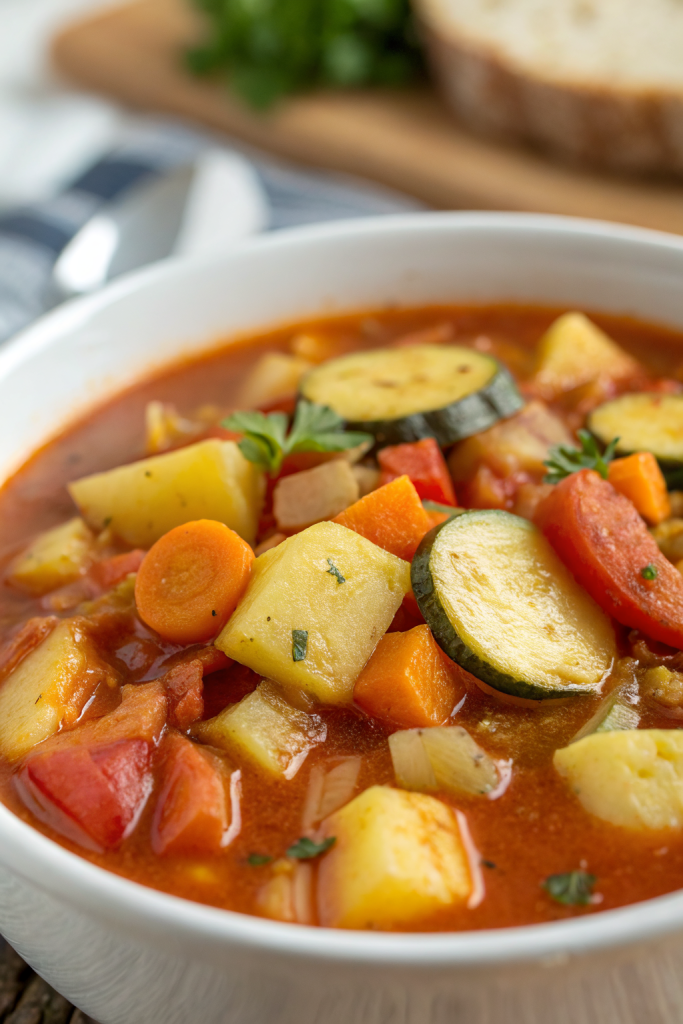
Fall Harvest Vegetable Soup Recipe tastes cozy, earthy, and a little sweet from caramelized squash and carrots, like a sweater in a bowl. It works perfectly for busy weeknights or lazy Sundays, since you can finish it in about 55 minutes from chopping board to table. I tested this version on my own picky family, and even my “vegetables are suspicious” sibling went back for seconds.
Why Make This Fall Harvest Vegetable Soup Recipe at Home
Homemade fall harvest vegetable soup gives you deep flavor from fresh produce, not from a salty can. You control the texture, the seasoning, and the veggies, so every bowl fits your taste and your pantry.
You also stretch your grocery budget, since this recipe uses humble ingredients like carrots, potatoes, and beans in a way that tastes restaurant-level. The soup reheats beautifully, so one pot covers several meals and makes your future self very happy.
“This Fall Harvest Vegetable Soup Recipe tastes like autumn in a bowl, with rich flavor and tender veggies in every spoonful ★★★★★”
Ingredients You Need
Here is everything you need for a big pot of Fall Harvest Vegetable Soup Recipe that serves about 6 to 8 people.
Produce
- 2 tablespoons olive oil
- 1 large yellow onion, diced
- 3 cloves garlic, minced
- 3 medium carrots, sliced into coins
- 2 celery stalks, sliced
- 1 small butternut squash, peeled and cubed (about 3 cups; you can use pre-cut squash from the store)
- 2 medium Yukon Gold potatoes, diced (russet works, but Yukon holds shape better)
- 1 small sweet potato, peeled and diced
- 1 red bell pepper, diced
- 1 cup green beans, trimmed and cut into 1-inch pieces (fresh or frozen)
- 1 cup chopped kale or baby spinach, packed
- 1 small zucchini, diced (optional but tasty)
Canned & Pantry
- 1 can (14.5 ounces) diced tomatoes, with juices
- 1 can (15 ounces) cannellini beans, drained and rinsed (or use chickpeas or great northern beans)
- 6 cups vegetable broth (low sodium; I like Better Than Bouillon vegetable base for strong flavor)
- 1 cup water, as needed to thin
- 2 tablespoons tomato paste
- 1 bay leaf
- 1 teaspoon dried thyme
- 1 teaspoon dried oregano
- 1 teaspoon smoked paprika (or regular paprika if you prefer mild flavor)
- 1 teaspoon ground cumin
- 1 teaspoon kosher salt, plus more to taste
- ½ teaspoon black pepper
- ¼ teaspoon red pepper flakes (optional, for a gentle kick)
- 1 teaspoon maple syrup or honey (optional, to balance acidity)
Fresh Herbs & Finishers
- 2 tablespoons chopped fresh parsley
- 1 tablespoon chopped fresh sage or ½ teaspoon dried sage
- Juice of ½ lemon (or 1 to 2 teaspoons apple cider vinegar)
Optional Add-ins
- ½ cup small pasta like ditalini or elbow macaroni
- ½ cup frozen corn
- ¼ cup grated Parmesan or nutritional yeast for serving
Equipment
- Large heavy-bottomed pot or Dutch oven (at least 5 to 6 quarts)
- Sharp chef’s knife and sturdy cutting board
- Wooden spoon or heat-safe spatula
- Ladle
- Measuring cups and spoons
You can swap in whatever fall vegetables you have: parsnips, turnips, or even leftover roasted vegetables. Just keep the total veggie volume similar so the soup stays thick but still spoonable.
Tips & Mistakes
- Sauté the veggies long enough to get light browning, since that browning builds flavor in the final soup.
- Cut vegetables into similar sizes so they cook evenly and you avoid mushy bits next to crunchy chunks.
- Salt in layers as you cook, not only at the end, so the soup tastes seasoned all the way through.
- Use low-sodium broth so you control the salt level instead of fighting a salty base.
- Add delicate greens like spinach or kale near the end so they stay bright and tender, not gray and overcooked.
- Do not boil the soup hard after you add potatoes and squash, or they break apart and turn the soup gluey.
- Taste the soup before serving and adjust with acid, salt, and a pinch of sweetness, not just more salt.
- Avoid crowding the pot with pasta if you add it; cook pasta separately and stir it into each bowl so it does not soak up all the broth.
- Use a wide pot instead of a tall narrow one so you get better browning on the onions and carrots.
- Stir the bottom of the pot often after you add tomato paste so it does not scorch.
How to Make Fall Harvest Vegetable Soup Recipe
Step 1: Prep the Vegetables
Wash, peel, and chop all vegetables before you turn on the stove. Aim for ½ to ¾ inch cubes for potatoes and squash so they cook through in about the same time. Keep the onion, carrot, and celery in one pile, and the rest in another, since you add them at different stages.
Step 2: Build the Flavor Base
Heat the olive oil in your large pot over medium heat. Add onion, carrot, and celery with a pinch of salt, and cook 7 to 8 minutes until the onion turns translucent and the edges start to brown. Stir in the garlic and cook 30 seconds until fragrant, so it softens but does not burn.
Step 3: Toast the Spices and Tomato Paste
Add tomato paste to the pot and stir it into the vegetables. Cook 2 to 3 minutes, stirring, so the tomato paste darkens slightly and tastes richer. Sprinkle in thyme, oregano, smoked paprika, cumin, red pepper flakes if you use them, and another small pinch of salt, then stir and let the spices toast for 30 to 60 seconds.
Step 4: Add Hearty Vegetables and Liquids
Add butternut squash, potatoes, sweet potato, bell pepper, and green beans. Stir so the veggies coat in the tomato and spice mixture. Pour in the vegetable broth, diced tomatoes with their juices, and water, then add the bay leaf.
Step 5: Simmer Until Tender
Bring the pot to a gentle boil, then lower the heat to maintain a steady simmer. Cook 20 to 25 minutes, stirring occasionally, until the potatoes and squash feel tender when you poke them with a fork. If the soup looks too thick, add a bit more water or broth to reach your preferred consistency.
Step 6: Add Beans, Greens, and Optional Pasta
Stir in the cannellini beans and zucchini. Simmer 5 to 10 more minutes so the flavors mingle and the zucchini softens. Add kale or spinach during the last 3 minutes so the greens wilt but keep their color.
If you want pasta in the soup, cook it separately in salted water until just al dente, then drain and hold it aside. Add a small scoop of pasta to each bowl, then ladle the hot soup over it. This method keeps the pasta from turning bloated and soggy in the pot.
Step 7: Finish and Adjust Seasoning
Turn off the heat and remove the bay leaf. Stir in fresh parsley, sage, lemon juice or apple cider vinegar, and maple syrup or honey if you use it. Taste and adjust with more salt, pepper, or acid until the flavors pop.
Ladle the Fall Harvest Vegetable Soup Recipe into bowls. Top with grated Parmesan or nutritional yeast if you like a cheesy note. Serve hot and enjoy that cozy fall aroma that fills the kitchen.
Variations I've Tried
I swap the butternut squash for pumpkin or kabocha when I find them on sale, and the soup tastes slightly nuttier and richer. I also add a pinch of curry powder and coconut milk for a creamy, lightly spiced version that still feels like fall but with a twist. Sometimes I stir in cooked shredded chicken or turkey for extra protein when I need a heartier meal.
I also make a smoky version with extra smoked paprika and a handful of fire-roasted tomatoes instead of regular diced tomatoes. When I crave something thicker, I blend 1 or 2 cups of the soup and pour it back in, which gives a creamy texture without any dairy. Frozen peas, corn, or mixed vegetables jump in easily when I clean out the freezer.
How to Serve Fall Harvest Vegetable Soup Recipe
Serve this Fall Harvest Vegetable Soup Recipe hot in wide bowls, so the vegetables spread out and cool slightly for easier eating. I like it with crusty bread, warm cornbread, or simple toast rubbed with a cut clove of garlic. You can also spoon it over cooked brown rice, quinoa, or barley for a more filling dinner.
Top each bowl with a drizzle of olive oil, a sprinkle of fresh herbs, or a spoonful of grated Parmesan or nutritional yeast. Add a side salad with crisp apples, nuts, and a light vinaigrette to keep the fall theme strong without much extra work.
How to store
- Cool the soup to room temperature within 1 to 2 hours, then transfer it to airtight containers and refrigerate for up to 4 days.
- Freeze portions in freezer-safe containers or bags for up to 3 months, leaving a little space at the top for expansion.
- Reheat on the stovetop over medium heat, stirring often, until hot and steaming; add a splash of water or broth if it thickened in the fridge.
- Reheat single servings in the microwave in a covered bowl, stirring halfway, until hot; add fresh herbs or a squeeze of lemon after reheating to brighten the flavor.

Fall Harvest Vegetable Soup Recipe
Ingredients
Instructions
- Wash, peel, and chop all vegetables before cooking. Cut potatoes and squash into 1/2- to 3/4-inch cubes so they cook evenly. Keep onion, carrot, and celery separate from the other vegetables.
- Heat olive oil in a large heavy-bottomed pot over medium heat. Add onion, carrots, and celery with a pinch of salt. Cook, stirring occasionally, for 7 to 8 minutes, until the onion is translucent and the edges start to brown. Stir in the garlic and cook for about 30 seconds, just until fragrant.
- Add the tomato paste and stir it into the vegetables. Cook for 2 to 3 minutes, stirring often, until it darkens slightly. Sprinkle in the thyme, oregano, smoked paprika, cumin, red pepper flakes if using, and another small pinch of salt. Toast the spices for 30 to 60 seconds, stirring so they do not scorch.
- Add the butternut squash, Yukon Gold potatoes, sweet potato, red bell pepper, and green beans. Stir to coat the vegetables in the tomato and spice mixture. Pour in the vegetable broth, diced tomatoes with their juices, and the water. Add the bay leaf and stir.
- Bring the soup to a gentle boil, then reduce the heat to maintain a steady simmer. Cook for 20 to 25 minutes, stirring occasionally, until the potatoes and squash are fork-tender. If the soup becomes too thick, add a bit more water or broth to reach your preferred consistency.
- Stir in the cannellini beans and diced zucchini, if using. Simmer for 5 to 10 more minutes, until the zucchini softens and the flavors meld. Add the chopped kale or spinach during the last 3 minutes of cooking so the greens wilt but stay bright in color.
- If you plan to add pasta, cook it separately in salted water until just al dente, then drain. Add a small amount of pasta to each bowl rather than to the pot, and ladle the hot soup over it so the pasta does not soak up all the broth.
- Turn off the heat and remove the bay leaf. Stir in the parsley, sage, lemon juice or apple cider vinegar, and maple syrup or honey if using. Taste and adjust the seasoning with more salt, pepper, or acid until the flavors are balanced and bright.
- Ladle the soup into bowls and top with grated Parmesan or nutritional yeast if desired. Serve hot, optionally with crusty bread, cornbread, or toast on the side.
Notes
Approximate per 1 of 6 servings (without optional pasta, cheese, or corn): 230 calories; fat 6 g; saturated fat 1 g; carbohydrates 38 g; fiber 8 g; sugars 11 g; protein 8 g; sodium 780 mg. Values will vary based on exact vegetables used, broth brand, and optional add-ins.
Leave a Reply