
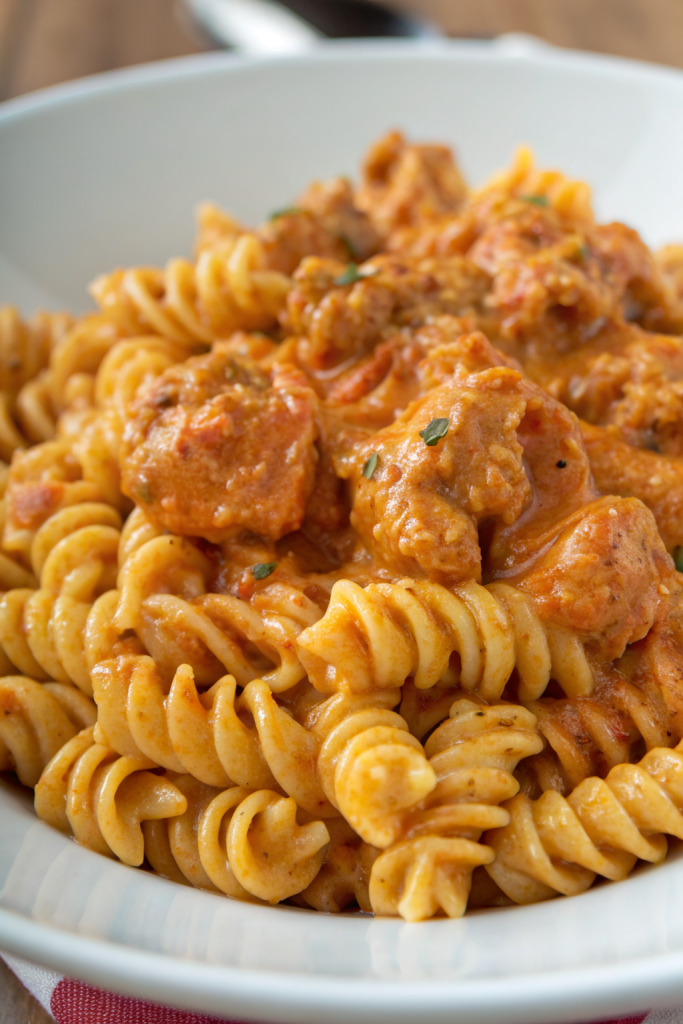
Butternut Squash Pasta Sauce Recipe tastes velvety, slightly sweet, and savory with a cozy hint of garlic and herbs that feels like a hug in a bowl. It works perfectly for busy weeknights or casual date nights, and you can get it on the table in about 40 minutes total. I first made this on a chilly Tuesday when my kids refused tomato sauce, and now they ask for the “orange noodles” every week.
Why Make This Butternut Squash Pasta Sauce Recipe at Home
Homemade butternut squash pasta sauce tastes richer and fresher than anything from a jar. You control the salt, the creaminess, and the spice level, so it fits your taste and your pantry.
You also stretch one squash into a big batch of sauce that freezes well and saves money. The recipe uses simple ingredients that you probably keep around, and it turns basic pasta into something that feels special without extra work.
Creamy, cozy, and shockingly easy, this Butternut Squash Pasta Sauce Recipe tastes like fall comfort in a bowl and wins over even picky eaters. ★★★★★
Ingredients You Need
Main ingredients
-
1 medium butternut squash
- About 2.5 to 3 pounds whole
- You need about 3 cups diced squash
- Precut squash from the produce section works great and saves time
-
2 tablespoons olive oil
- Use extra virgin for more flavor
- Avocado oil also works
-
1 tablespoon unsalted butter
- Adds richness and a silky texture
- Use more olive oil if you keep it dairy free
-
1 small yellow onion, diced
- White onion or shallots also work
-
3 to 4 garlic cloves, minced
- Use jarred minced garlic if that fits your schedule
-
1 teaspoon kosher salt, plus more to taste
- If you use table salt, start with 1/2 teaspoon and adjust
-
1/2 teaspoon black pepper
-
1/2 teaspoon smoked paprika or sweet paprika
- Smoked paprika adds a subtle smoky note
- Sweet paprika keeps it mild and kid friendly
-
1/4 teaspoon ground nutmeg
- Freshly grated tastes best, but ground nutmeg works fine
-
1 teaspoon dried thyme or Italian seasoning
- Italian seasoning gives a more herb-forward flavor
- Use what you already keep in your pantry
-
2 cups low sodium vegetable broth or chicken broth
- Low sodium broth gives you more control over seasoning
- Use a good quality boxed broth like Pacific or Kettle & Fire if possible
-
1/2 cup milk, half and half, or heavy cream
- Milk gives a lighter sauce
- Half and half or cream gives a richer, restaurant-style texture
- Use unsweetened oat milk or cashew milk for a dairy free version
-
1/3 to 1/2 cup grated Parmesan cheese
- Use a wedge and grate it if you can
- Pre-grated in a tub works, but avoid the shelf-stable shaker style for this recipe
-
12 to 16 ounces pasta of choice
- Short shapes like rigatoni, penne, or shells hold the sauce nicely
- Whole wheat or chickpea pasta also works
-
1 to 2 teaspoons fresh lemon juice
- Brightens the sauce and balances the sweetness
Optional flavor boosters
- Pinch of red pepper flakes for gentle heat
- 1 tablespoon fresh sage, chopped, for a classic fall flavor
- 1 tablespoon fresh parsley, chopped, for garnish
- Extra Parmesan for serving
Pantry shortcuts and substitutions
- Use frozen butternut squash cubes instead of fresh to skip peeling and chopping
- Use pre-chopped onions and pre-minced garlic from the store to speed things up
- Use a splash of canned coconut milk in place of cream for a dairy free twist
- Use vegetable broth to keep the recipe vegetarian
Equipment list
- Large cutting board and sharp chef’s knife
- Vegetable peeler
- Large skillet or wide pot
- Medium pot for cooking pasta
- Wooden spoon or silicone spatula
- Measuring cups and spoons
- Blender, immersion blender, or food processor
- Colander
- Ladle or heatproof measuring cup to scoop pasta water
Tips & Mistakes
- Cut the squash into evenly sized cubes so it cooks at the same rate and softens fully.
- Roast or sauté the squash until it turns fork tender and lightly golden, or the sauce will taste bland and starchy.
- Salt in layers while you cook the onions, squash, and sauce, instead of dumping it all in at the end.
- Save at least 1 cup of starchy pasta water so you can thin the sauce and help it cling to the noodles.
- Blend the sauce until completely smooth for the creamiest texture, and scrape the sides of the blender or pot.
- Add cream or milk after you blend and after you remove the sauce from high heat, so it does not curdle.
- Taste and adjust with salt, pepper, and a squeeze of lemon juice at the end to balance sweetness.
- Do not overcook the pasta, since it will sit in the hot sauce and soften a bit more.
- Stir the pasta into the sauce instead of spooning sauce on top, so every piece gets coated.
- Cool the sauce completely before storing it, so condensation does not water it down in the fridge or freezer.
How to Make Butternut Squash Pasta Sauce Recipe
Step 1: Prep the squash and aromatics
Peel the butternut squash with a vegetable peeler. Slice off the top and bottom, cut it in half lengthwise, scoop out the seeds, then cut it into 1/2 inch cubes. Dice the onion and mince the garlic.
Bring a large pot of salted water to a boil for the pasta. Keep it covered so it heats faster while you start the sauce.
Step 2: Cook the squash, onion, and garlic
Heat the olive oil and butter in a large skillet over medium heat. Add the diced onion and a pinch of salt, then cook about 4 to 5 minutes until the onion softens and turns translucent. Stir in the garlic and cook 30 seconds until fragrant.
Add the cubed butternut squash, another pinch of salt, and the black pepper. Stir so the squash coats in the oil and butter, then cook 5 to 7 minutes, stirring occasionally, until the edges start to turn golden.
Step 3: Add seasoning and broth
Sprinkle in the smoked paprika, nutmeg, and dried thyme or Italian seasoning. Stir so the spices coat the squash and onion. Cook about 1 minute so the spices wake up and smell toasty.
Pour in the broth and stir, scraping up any browned bits from the bottom of the pan. Bring the mixture to a gentle simmer, then reduce the heat to medium low. Cook 12 to 15 minutes until the squash turns very tender and you can easily pierce it with a fork.
Step 4: Cook the pasta
While the squash simmers, add the pasta to the boiling salted water. Cook according to package directions until just al dente. Scoop out at least 1 cup of pasta water, then drain the pasta.
Leave the pasta in the colander and keep the pot handy. You will use it to mix the pasta with the sauce.
Step 5: Blend the butternut squash sauce
Turn off the heat under the squash mixture. Carefully transfer the squash and broth to a blender or use an immersion blender right in the pan. Blend until the sauce turns very smooth and creamy.
Return the blended sauce to the skillet or pot if you used a blender. Stir in the milk, half and half, or cream. Add the grated Parmesan and stir until it melts and the sauce looks glossy and thick.
Step 6: Adjust the flavor
Taste the sauce and add more salt and pepper if needed. Squeeze in 1 to 2 teaspoons of fresh lemon juice and stir, then taste again. Add a pinch of red pepper flakes if you want a little heat.
If the sauce looks too thick, stir in a splash of pasta water until it reaches your ideal consistency. The sauce should coat the back of a spoon but still pour slowly.
Step 7: Combine pasta and sauce
Pour the drained pasta into the pot you used for boiling. Ladle the hot butternut squash sauce over the pasta. Toss gently over low heat for 1 to 2 minutes so the pasta absorbs some of the sauce.
Add more pasta water as needed to keep it silky and loose. Sprinkle in extra Parmesan and chopped fresh herbs if you like, then serve hot.
Variations I've Tried
I swap the Parmesan for pecorino romano when I want a sharper, saltier flavor that stands out more. I also stir in a handful of baby spinach at the end and let it wilt in the hot sauce for a little green boost. Sometimes I add cooked Italian sausage or rotisserie chicken for extra protein when my family feels extra hungry.
I also tried a dairy free version with olive oil, vegetable broth, and canned coconut milk, and it tasted rich and cozy without any cheese. A sprinkle of toasted walnuts or pumpkin seeds on top adds crunch and makes the bowl feel a bit fancy with almost no effort.
How to Serve Butternut Squash Pasta Sauce Recipe
Serve this butternut squash pasta sauce over hot pasta and top it with extra Parmesan, black pepper, and a sprinkle of fresh parsley or sage. Pair it with a simple green salad, roasted broccoli, or garlic green beans for a full meal. Kids often like it with plain buttered noodles on the side, and adults enjoy it with a slice of warm garlic bread or focaccia.
You can also spoon the sauce over gnocchi, use it as a base for a veggie bake, or drizzle it on roasted vegetables. I sometimes keep a jar in the fridge and use it as a creamy sauce for grain bowls with rice and steamed veggies.
How to store
- Cool leftover butternut squash pasta sauce to room temperature, then transfer it to airtight containers.
- Store in the fridge for 3 to 4 days.
- Freeze the sauce (without pasta) for up to 3 months in freezer safe containers, leaving a little space at the top.
- Thaw frozen sauce overnight in the fridge or in a sealed bag in a bowl of cool water.
- Reheat gently in a saucepan over low to medium heat, stirring often, and add a splash of broth or milk if it looks too thick.
- You can also reheat individual portions in the microwave in short bursts, stirring between each burst so it heats evenly.
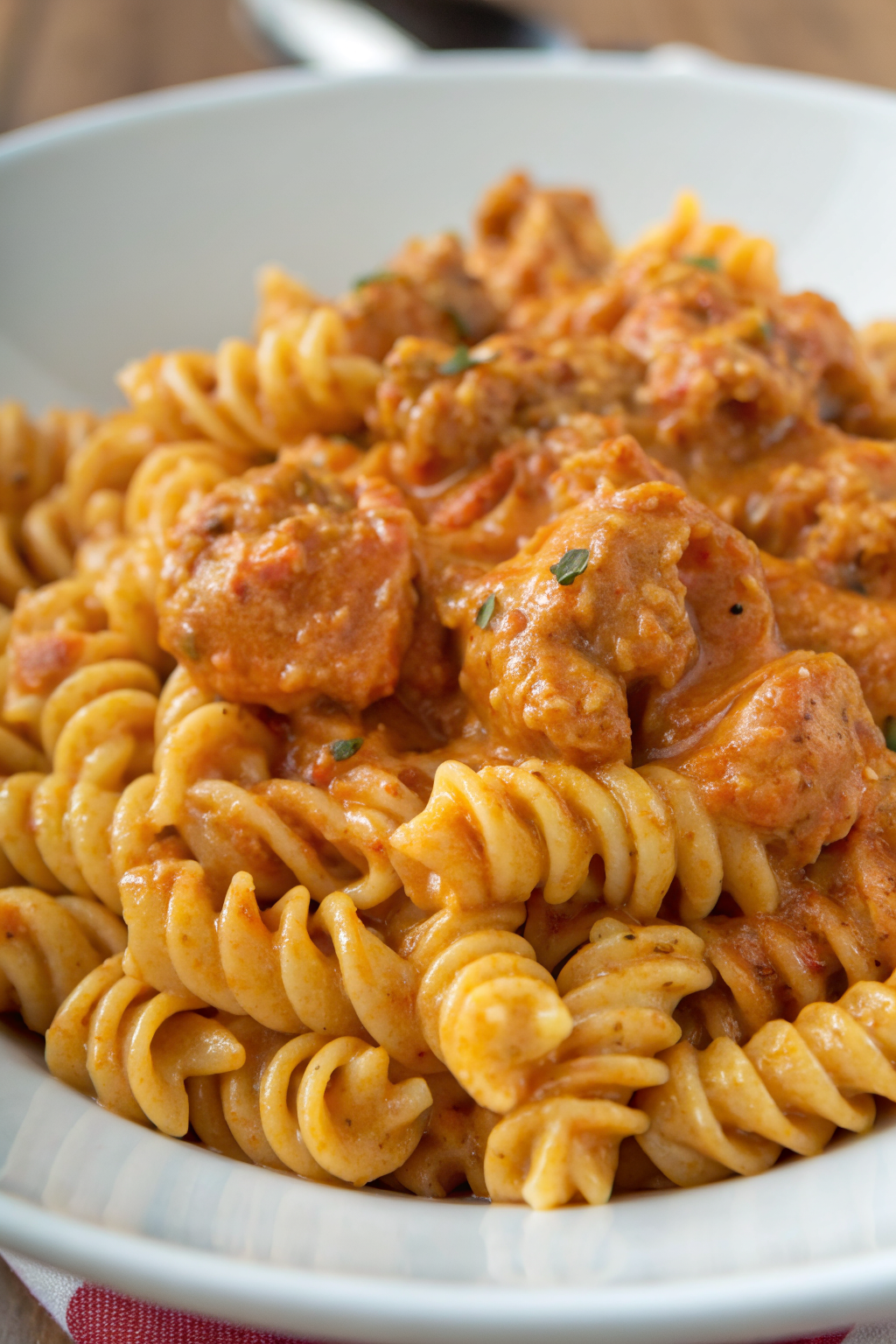
Butternut Squash Pasta Sauce Recipe
Ingredients
Instructions
- Peel the butternut squash, slice off the top and bottom, cut it in half lengthwise, scoop out the seeds, and cut into 1/2-inch cubes. Dice the onion and mince the garlic. Bring a large pot of salted water to a boil for the pasta and keep it covered while you start the sauce.
- Heat the olive oil and butter in a large skillet over medium heat. Add the diced onion and a pinch of salt and cook for 4 to 5 minutes, until softened and translucent. Stir in the garlic and cook for about 30 seconds, just until fragrant.
- Add the cubed butternut squash, another pinch of salt, and the black pepper. Stir to coat the squash in the oil and butter, then cook for 5 to 7 minutes, stirring occasionally, until the edges begin to turn golden.
- Sprinkle in the smoked paprika, nutmeg, and dried thyme or Italian seasoning. Stir to coat the squash and onion with the spices and cook for about 1 minute until the spices smell toasty.
- Pour in the broth and stir, scraping up any browned bits from the bottom of the pan. Bring to a gentle simmer, then reduce the heat to medium-low and cook for 12 to 15 minutes, until the squash is very tender and easily pierced with a fork.
- While the squash simmers, add the pasta to the boiling salted water. Cook according to package directions until just al dente. Scoop out at least 1 cup of starchy pasta water, then drain the pasta and leave it in the colander. Keep the pot handy for combining the pasta and sauce.
- Turn off the heat under the squash mixture. Carefully blend the squash and broth with an immersion blender in the pan or transfer to a blender or food processor. Blend until the sauce is completely smooth and creamy, then return it to the skillet or pot if needed.
- Stir in the milk, half and half, or cream, then add the grated Parmesan and stir until it melts and the sauce looks glossy and thick.
- Taste the sauce and adjust with more salt and pepper if needed. Stir in 1 to 2 teaspoons of fresh lemon juice, then taste again. Add a pinch of red pepper flakes if you want gentle heat. If the sauce is too thick, stir in a splash of reserved pasta water until it reaches a pourable, silky consistency that coats the back of a spoon.
- Return the drained pasta to the empty pot you used for boiling. Ladle the hot butternut squash sauce over the pasta and toss gently over low heat for 1 to 2 minutes so the pasta absorbs some of the sauce, adding more pasta water as needed to keep it loose and creamy.
- Serve the pasta hot, topped with extra Parmesan and chopped fresh parsley or sage if desired.
Notes
Approximate per serving (1/6 of recipe, with 12 oz pasta, milk, and 1/2 cup Parmesan): 430 calories; fat 15 g; saturated fat 6 g; carbohydrates 60 g; fiber 5 g; sugars 5 g; protein 17 g; sodium 720 mg. Values will vary based on exact ingredients, brands, and portion size.