
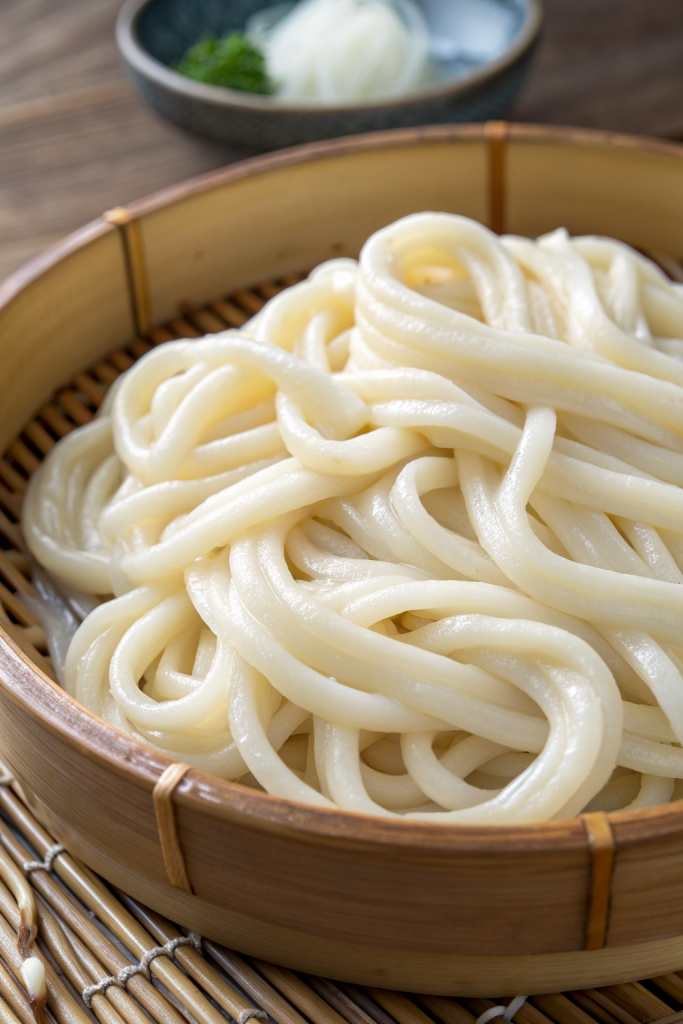
Homemade Udon Noodles Recipe tastes bouncy, chewy, and silky all at once, with that signature slurp that makes a simple bowl of broth feel like a big deal. This recipe works well for noodle lovers who want a weekend project that takes about 1 hour of hands-on time plus resting, and rewards you with enough fresh udon for several meals. I still remember the first time I kneaded udon dough on my tiny apartment counter and thought, “Wow, this is way more fun than leg day at the gym.”
Why Homemade Udon Noodles Recipe Is Worth It
Fresh udon noodles beat dried or frozen every single time in texture and flavor. You control the chew, the thickness, and the salt level, so the noodles match your favorite broth or stir-fry style.
You also skip preservatives and mystery ingredients and use simple pantry staples instead. The process feels therapeutic, and stomping on dough (yes, really) turns into a surprisingly satisfying stress reliever.
“These homemade udon noodles taste springy, restaurant-level good, and they soak up broth like a dream. ★★★★★”
Ingredients You Need
Dough Ingredients
-
All-purpose flour – 3 cups (360 g)
- Use unbleached if possible for better flavor.
- King Arthur, Gold Medal, or Bob’s Red Mill all work great.
- You can swap up to 25% with bread flour for extra chew.
-
Kosher salt – 2 teaspoons
- If you use table salt, cut down to about 1 ¼ teaspoons since it tastes saltier.
- Salt strengthens the gluten and gives the noodles flavor.
-
Water – 1 cup (240 ml), room temperature
- Start with about ¾ cup and add more a tablespoon at a time.
- Slightly cool water keeps the dough firm and easier to work.
-
Cornstarch or potato starch – for dusting
- This keeps the noodles from sticking and clumping.
- You can use extra flour instead, but starch gives a silkier surface.
Optional Flavor / Texture Tweaks
- Bread flour (up to 25% of total flour) for a firmer, chewier bite.
- Cake flour (up to 20% of total flour) for slightly softer, more tender noodles.
- A splash of neutral oil (1 teaspoon) if your dough feels dry or cracks while kneading.
Simple Broth Ideas (Optional but Handy)
These aren’t part of the dough, but they help you turn noodles into a meal fast:
- Dashi powder + soy sauce + mirin for a classic hot udon soup.
- Low-sodium chicken or vegetable broth for a quick, mild soup base.
- Soy sauce, sesame oil, and a pinch of sugar for stir-fried yaki udon.
Equipment List
- Large mixing bowl
- Kitchen scale (highly recommended) or measuring cups
- Measuring spoons
- Zip-top bag or thick plastic bag (for the “foot kneading” method)
- Clean kitchen towel
- Rolling pin
- Large cutting board or clean counter space
- Sharp knife or pizza cutter
- Large pot for boiling noodles
- Colander or mesh strainer
- Chopsticks or tongs for stirring noodles in the pot
Quick Tips & substitutions
- Use weighing instead of scooping flour to keep the dough consistent.
- Mix the dough until it looks shaggy and slightly dry; udon dough starts firm, not soft.
- Slip the dough into a sturdy plastic bag before kneading with your feet to keep things tidy.
- If the dough cracks a lot, sprinkle in 1–2 teaspoons of water and knead again.
- If the dough feels sticky, dust with flour or starch and knead until smooth.
- Rest the dough at least 30–60 minutes so the gluten relaxes and rolls out easier.
- Cut noodles slightly thicker than you think, since they swell as they cook.
- Use all-purpose flour only if you don’t want to juggle different flours.
- Swap cornstarch with potato starch or extra flour for dusting if needed.
- Cook udon in plenty of boiling water so the noodles move freely and don’t clump.
- Rinse cooked noodles in cold water to stop cooking and improve chew.
- Use tamari instead of soy sauce if you want a gluten-free broth option.
How to Make Homemade Udon Noodles Recipe
Mix the Dough
-
Combine dry ingredients
Add flour and salt to a large mixing bowl.
Whisk or stir well so the salt spreads evenly through the flour.
This step helps the dough hydrate evenly and gives consistent texture. -
Add water gradually
Pour in about ¾ of the water while you stir with chopsticks or your hand.
Toss and mix until the flour starts to clump into small, rough pieces.
Add the remaining water a tablespoon at a time until the dough holds together in shaggy lumps. -
Bring the dough together
Press the shaggy dough pieces together with your hands.
Squeeze and fold until they form one rough ball with no big dry pockets.
The dough should feel firm and a bit stiff, not soft like bread dough.
Knead (Yes, With Your Feet)
-
Bag the dough
Place the dough ball into a sturdy zip-top bag and press out extra air.
Seal the bag and wrap it in a clean kitchen towel.
This protects the dough and keeps your floor and feet clean. -
Knead with your feet
Stand on the wrapped dough and gently step and rock your weight over it.
Flatten it, fold it over itself inside the bag, then step again.
Continue for about 5–10 minutes until the dough feels smooth and firm. -
Shape and rest
Take the dough out of the bag and shape it into a smooth ball.
Place it back in the bag or wrap it in plastic, then cover with a towel.
Let it rest at room temperature for 30–60 minutes so the gluten relaxes.
Roll and Cut the Noodles
-
Divide the dough
Unwrap the rested dough and cut it into 2–3 equal pieces.
This makes rolling easier on a home-size counter.
Keep the pieces you don’t roll yet covered so they don’t dry out. -
Roll the dough sheet
Lightly dust your work surface and rolling pin with flour or starch.
Roll one piece into a rectangle about ⅛–¼ inch thick, turning and dusting as needed.
Aim for even thickness so the noodles cook at the same rate. -
Fold and slice
Dust the top of the sheet with starch, then fold it into thirds like a letter.
Use a sharp knife or pizza cutter to slice strips about ¼ inch wide for classic udon.
Unfold each strip and dust lightly so the noodles don’t stick together. -
Repeat with remaining dough
Roll, dust, fold, and cut the remaining dough pieces the same way.
Arrange the cut noodles in loose bundles on a floured tray.
Keep them lightly dusted and spaced so they stay separate.
Cook the Udon Noodles
-
Boil plenty of water
Fill a large pot with water and bring it to a strong boil.
Salt the water lightly if you want extra flavor in the noodles.
The large amount of water helps the noodles move freely and cook evenly. -
Cook until chewy and tender
Shake off extra flour from the noodles and drop them into the boiling water.
Stir gently right away to prevent sticking.
Cook 8–12 minutes, depending on thickness, until the noodles taste chewy but not raw in the center. -
Rinse and cool
Drain the noodles in a colander.
Rinse under cold running water while you gently rub them to remove extra starch.
This step tightens the texture and gives that signature bouncy chew. -
Serve hot or cold
For hot dishes, briefly reheat the noodles in hot broth or hot water.
For cold dishes, chill the rinsed noodles in ice water, then drain well.
Toss or serve them right away with your favorite toppings and sauces.
Recipe Variations
-
Gluten-free version
- Use a gluten-free all-purpose blend that works well with noodles and pasta.
- Add 1 teaspoon xanthan gum if the blend doesn’t include it to help structure.
-
Vegan version
- The base udon noodle recipe already stays vegan.
- Pair with vegetable broth, tofu, mushrooms, and sesame oil for a full vegan meal.
-
Extra chewy style
- Swap 25–30% of the all-purpose flour with bread flour.
- Knead a bit longer and rest the dough a full hour.
-
Softer, kid-friendly noodles
- Use 10–20% cake flour in the mix.
- Roll slightly thinner and cook on the shorter end of the time range.
-
Whole wheat twist
- Replace up to 30% of the flour with whole wheat flour.
- Add an extra tablespoon or two of water if the dough feels dry.
-
Spicy noodle upgrade
- Toss cooked noodles with chili oil, soy sauce, and a pinch of sugar.
- Add sliced green onions and toasted sesame seeds.
Ways to Serve Homemade Udon Noodles Recipe
- In hot dashi broth with soy sauce, mirin, scallions, and a soft-boiled egg.
- Stir-fried as yaki udon with vegetables, tofu, or chicken and a soy-sauce based sauce.
- Chilled with a soy-sesame dipping sauce, grated ginger, and sliced green onions.
- In a miso-based soup with mushrooms, bok choy, and tofu cubes.
- In a simple noodle bowl with garlic, soy sauce, sesame oil, and steamed veggies.
- With curry-style broth for Japanese curry udon, topped with green onions.
Storage Success
Store leftover cooked udon noodles in an airtight container in the fridge for up to 3 days. Toss them with a teaspoon of neutral oil before chilling so they don’t clump into one big noodle brick. Reheat them briefly in hot broth or boiling water for 30–60 seconds until they loosen and warm through. Freeze uncooked, cut noodles on a tray until firm, then bag them and keep them frozen for up to 2 months, and cook them straight from frozen with a couple extra minutes in the pot.
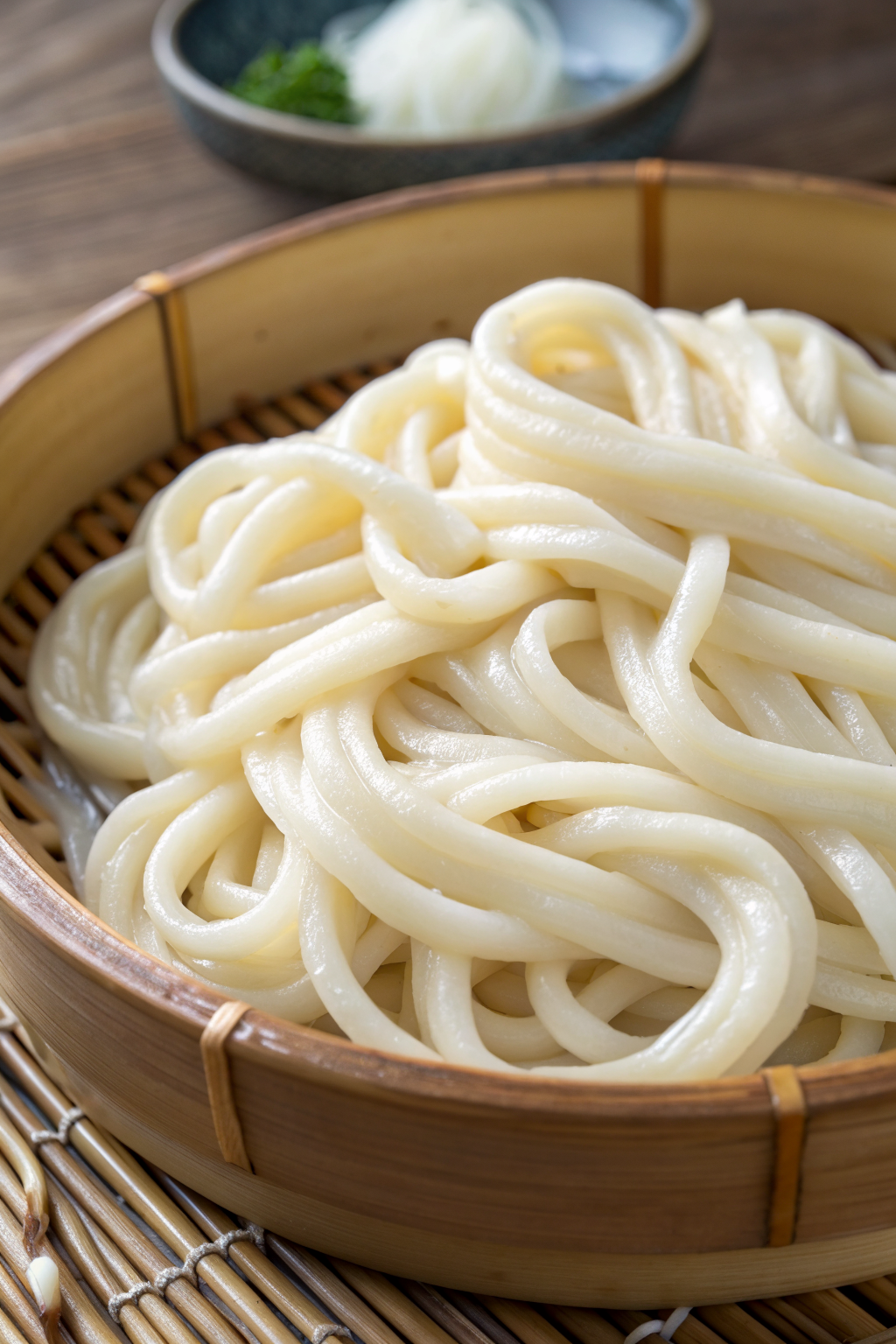
Homemade Udon Noodles Recipe
Ingredients
Instructions
- Add the all-purpose flour and kosher salt to a large mixing bowl and whisk or stir well so the salt is evenly distributed.
- Pour in about 3/4 cup of the water while stirring with chopsticks or your hand until the flour starts to clump into small, rough pieces.
- Add the remaining water a tablespoon at a time, tossing and pressing the mixture until it comes together into shaggy lumps that hold when squeezed.
- Press the shaggy pieces together with your hands, squeezing and folding until you form one rough dough ball with no large dry pockets. The dough should feel firm and slightly stiff, not soft.
- Place the dough ball into a sturdy zip-top bag, press out the extra air, and seal. Wrap the bag in a clean kitchen towel.
- Set the wrapped dough on the floor and gently stand on it, rocking your weight to flatten the dough. Fold the dough over itself inside the bag, then step and knead again.
- Continue kneading with your feet for about 5–10 minutes, folding occasionally, until the dough feels smooth and firm.
- Remove the dough from the bag, shape it into a smooth ball, then place it back in the bag or wrap in plastic. Cover with a towel and let rest at room temperature for 30–60 minutes to relax the gluten.
- Unwrap the rested dough and cut it into 2–3 equal pieces. Keep the pieces you are not working with covered so they do not dry out.
- Lightly dust your work surface and rolling pin with flour or starch. Roll one dough piece into a rectangle about 1/8 to 1/4 inch thick, turning and dusting as needed to prevent sticking.
- Dust the top of the rolled sheet with starch, then fold it into thirds like a letter.
- Use a sharp knife or pizza cutter to slice the folded dough into strips about 1/4 inch wide for classic udon noodles.
- Unfold each strip into a long noodle and dust lightly with starch so the noodles do not stick together.
- Repeat rolling, dusting, folding, and cutting with the remaining dough pieces. Arrange the cut noodles in loose bundles on a floured tray, keeping them lightly dusted and separated.
- Fill a large pot with plenty of water and bring it to a strong boil. Lightly salt the water if desired.
- Shake excess flour from the noodles and gently drop them into the boiling water. Stir right away with chopsticks or tongs to prevent sticking.
- Cook the noodles for 8–12 minutes, depending on thickness, until they are chewy and tender with no raw center.
- Drain the noodles in a colander, then rinse under cold running water while gently rubbing them to remove extra surface starch and tighten the texture.
- For hot dishes, briefly reheat the rinsed noodles in hot broth or hot water before serving. For cold dishes, chill the noodles in ice water, then drain well and serve with your preferred toppings and sauces.
Notes
Approximate per serving (1/6 of batch, noodles only): 280 calories; fat 0.8 g; saturated fat 0.2 g; carbohydrates 58 g; fiber 2 g; sugars 0 g; protein 9 g; sodium 780 mg (from salted dough and cooking water; actual sodium will vary depending on how much is rinsed off). Values are estimates and will vary based on flour brand, exact dough hydration, and portion size, and do not include any broth, sauces, or toppings.
Leave a Reply