
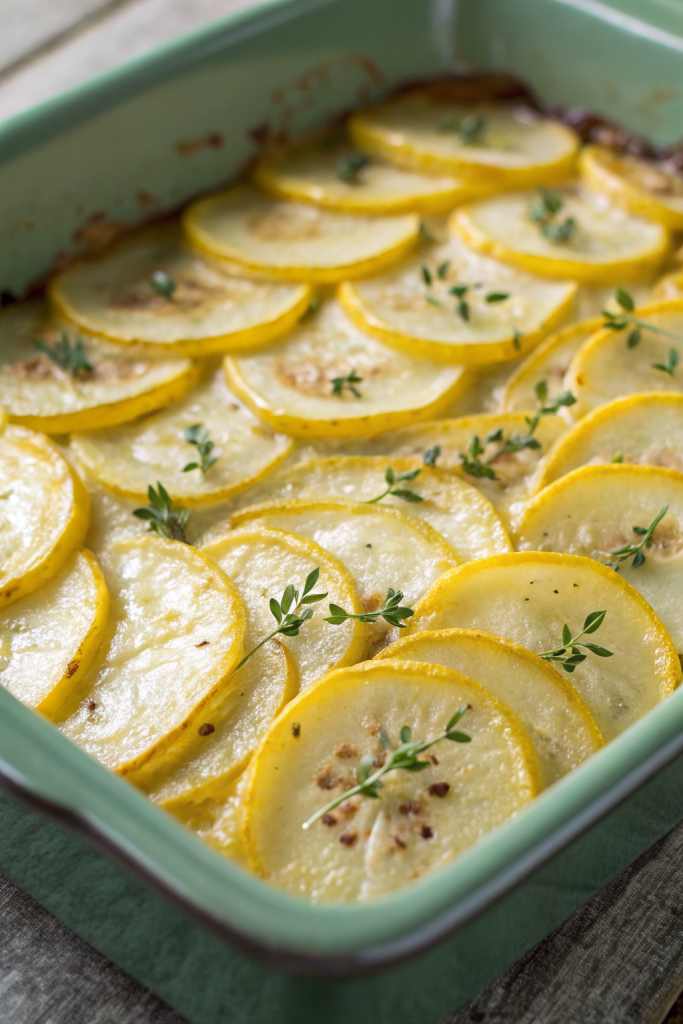
Sage Butternut Squash Gratin Recipe tastes creamy, nutty, and savory with crispy golden edges and pockets of earthy sage in every bite. It suits cozy fall dinners, holiday tables, or any night when you want comfort food in about 1 hour. I first made this on a chilly November evening in my tiny apartment kitchen, and my neighbors still talk about the smell that drifted into the hallway.
Why You Should Try This Sage Butternut Squash Gratin Recipe
This sage butternut squash gratin recipe gives you all the comfort of potatoes au gratin with a lighter, slightly sweet twist. The squash turns silky and tender, the cream thickens into a rich sauce, and the cheese and breadcrumbs form a crispy, browned top that shatters when you dig in.
Fresh sage adds a savory, almost woodsy flavor that balances the natural sweetness of the squash. The recipe works well as a vegetarian main with a salad or as a standout side dish on a holiday table, and it reheats like a champ.
“This Sage Butternut Squash Gratin Recipe tastes like fall in a baking dish, with creamy layers, crispy topping, and just enough sage to make everyone ask for seconds. ★★★★★”
Ingredients You’ll Need
Main ingredients
-
1 large butternut squash
- Aim for about 2.5 to 3 pounds whole, which yields roughly 6 cups of thin slices.
- You can use pre-cut butternut squash from the produce section to save time, but slice it thinner at home.
-
1 medium yellow onion, thinly sliced
- Sweet onion also works if you prefer a milder flavor.
-
2 tablespoons unsalted butter
- Use salted butter if that is what you keep on hand, then reduce added salt slightly.
-
2 tablespoons olive oil
- Any neutral oil works, but olive oil adds nice flavor.
-
2 cloves garlic, minced
- Use jarred minced garlic as a shortcut, about 2 teaspoons.
Dairy and flavor
-
1 ¼ cups heavy cream
- Half-and-half works if you want it a bit lighter, though the sauce will feel slightly less rich.
- Avoid milk only, since it can curdle and feel thin.
-
½ cup whole milk
- You can replace with more cream for extra richness.
-
1 cup shredded Gruyère cheese, packed
- Good quality Swiss cheese works if you cannot find Gruyère.
- Pre-shredded cheese saves time, but freshly shredded melts more smoothly.
-
½ cup grated Parmesan cheese, divided
- Use the real wedge style, not the green can, for best flavor.
-
1 teaspoon kosher salt, plus more to taste
-
½ teaspoon freshly ground black pepper
-
¼ teaspoon ground nutmeg
- Freshly grated nutmeg tastes best, but ground nutmeg from a jar works fine.
Sage and topping
-
2 tablespoons fresh sage leaves, finely chopped
- Dried sage works in a pinch; use 2 teaspoons dried instead of fresh.
- If sage tastes too strong for you, mix half sage and half fresh thyme.
-
¾ cup panko breadcrumbs
- Regular breadcrumbs also work, but panko gives a lighter, crunchier topping.
-
1 tablespoon melted butter
-
1 tablespoon olive oil
Optional add-ins
- ¼ teaspoon red pepper flakes for a gentle kick
- ¼ cup toasted chopped pecans or walnuts for crunch in the topping
- Extra sage leaves for garnish
Equipment list
- 9×13 inch baking dish or similar size casserole dish
- Sharp chef’s knife and sturdy cutting board
- Vegetable peeler
- Large skillet or saucepan
- Mixing bowl
- Whisk
- Measuring cups and spoons
- Aluminum foil
- Oven mitts
- Mandoline slicer (optional, but very helpful for even, thin slices)
Tips & Tricks
- Slice the butternut squash thin, about ⅛ to ¼ inch, so it cooks through and turns tender without overbaking the top.
- Use a sharp knife or a good peeler to remove the tough skin, and trim the neck and bulb separately to handle the squash more safely.
- Dry the squash slices with a clean towel if they feel very wet, so the sauce thickens nicely instead of turning watery.
- Warm the cream mixture on the stove before baking, so the gratin starts cooking right away and finishes faster.
- Mix Gruyère and Parmesan for the best balance of meltiness and salty, nutty flavor.
- Taste the cream mixture before you pour it over the squash, and adjust salt and pepper so the final dish does not taste bland.
- Cover the gratin with foil for the first part of baking to keep the top from browning too quickly, then uncover to crisp the topping.
- Let the gratin rest 10 to 15 minutes after baking so the sauce thickens and slices hold together.
- Use pre-cut squash, pre-shredded cheese, and jarred garlic when you feel short on time, and the gratin will still taste amazing.
- If you cook for someone who avoids gluten, swap panko for gluten-free breadcrumbs and check that your broth or other add-ins stay gluten-free.
How to Make Sage Butternut Squash Gratin Recipe
Step 1: Prep the squash and pan
Preheat your oven to 375°F and lightly grease a 9×13 inch baking dish with butter or olive oil. Peel the butternut squash with a vegetable peeler, then slice off the top and bottom. Cut the squash in half where the neck meets the round bulb, then cut each section in half lengthwise and scoop out the seeds from the bulb.
Slice the squash into thin half-moons or quarter-moons, about ⅛ to ¼ inch thick. Try to keep the slices as even as possible so they cook at the same rate. Pat the slices dry with a clean kitchen towel if they feel very moist.
Step 2: Cook the aromatics
Heat 2 tablespoons butter and 2 tablespoons olive oil in a large skillet over medium heat. Add the sliced onion and a pinch of salt, then cook and stir until the onion turns soft and lightly golden, about 8 to 10 minutes. Add the minced garlic and cook 1 minute more, until it smells fragrant but not browned.
Stir in the chopped sage and cook 30 seconds to 1 minute, just until it releases its aroma. Turn off the heat and set the skillet aside. This mixture will flavor both the cream and the squash layers.
Step 3: Mix the cream and cheese
In a mixing bowl or large measuring cup, whisk together the heavy cream and milk. Add salt, pepper, nutmeg, half of the Parmesan, and half of the Gruyère. Stir in about half of the onion-sage mixture from the skillet.
Taste the mixture and adjust seasoning with more salt and pepper if needed. The cream should taste slightly salty and well seasoned, since it will flavor all the squash. If you like a hint of heat, add red pepper flakes.
Step 4: Layer the squash
Spread the remaining onion-sage mixture evenly over the bottom of the greased baking dish. Arrange half of the squash slices in an even layer on top, overlapping slightly like shingles. Pour half of the cream mixture over this layer, tilting the dish gently so the liquid spreads.
Sprinkle with half of the remaining Gruyère. Add the rest of the squash slices in another even layer, then pour the remaining cream mixture over the top. Finish with the rest of the Gruyère.
Step 5: Add the crunchy topping
In a small bowl, combine panko breadcrumbs, the remaining Parmesan, melted butter, and olive oil. Stir until the crumbs feel evenly coated and slightly clumpy. If you use nuts, stir them into the breadcrumb mixture.
Sprinkle the topping evenly over the gratin. Cover the dish loosely with foil, tenting it slightly so the foil does not touch the crumbs. This keeps the top from browning too fast.
Step 6: Bake the gratin
Place the baking dish on the middle rack of the oven. Bake covered for 30 minutes, until the squash starts to soften and the cream bubbles around the edges. Remove the foil and continue baking 20 to 25 minutes more, until the top looks deeply golden and the squash feels very tender when you pierce it with a knife.
If the top browns too quickly, lay the foil back over loosely. If it does not brown enough by the end of the baking time, move the dish to the top rack for a few extra minutes. Keep an eye on it so the crumbs do not burn.
Step 7: Rest and serve
Take the gratin out of the oven and place it on a cooling rack or trivet. Let it rest 10 to 15 minutes so the sauce thickens and the layers settle. Garnish with extra chopped sage or a few small whole leaves if you like.
Serve the sage butternut squash gratin warm, scooped or sliced into squares. The edges will taste extra caramelized, so expect a little friendly competition at the table for those pieces.
What to Serve with Sage Butternut Squash Gratin Recipe
This sage butternut squash gratin recipe pairs beautifully with simple roasted chicken thighs, grilled turkey cutlets, or a hearty lentil dish if you want to keep the meal vegetarian. A crisp green salad with lemony vinaigrette cuts through the richness and keeps the plate balanced. You can also serve it with steamed green beans, roasted Brussels sprouts, or sautéed kale for extra color and texture.
On the lighter side, pair it with a bowl of tomato soup or a simple vegetable soup for a cozy, comforting dinner. Offer sparkling water with citrus slices, apple cider, or herbal tea to round out the meal without alcohol.
Storage Options
- Cool leftovers to room temperature, then cover the baking dish tightly or transfer portions to airtight containers and refrigerate for up to 4 days.
- Freeze individual portions in freezer-safe containers for up to 2 months, and label with the date so you keep track.
- Reheat in the oven at 350°F, covered with foil, for 15 to 20 minutes if chilled or 25 to 30 minutes if frozen and thawed, until hot and bubbly.
- Reheat single servings in the microwave in short bursts, then finish under the broiler for 1 to 2 minutes to crisp the topping again.
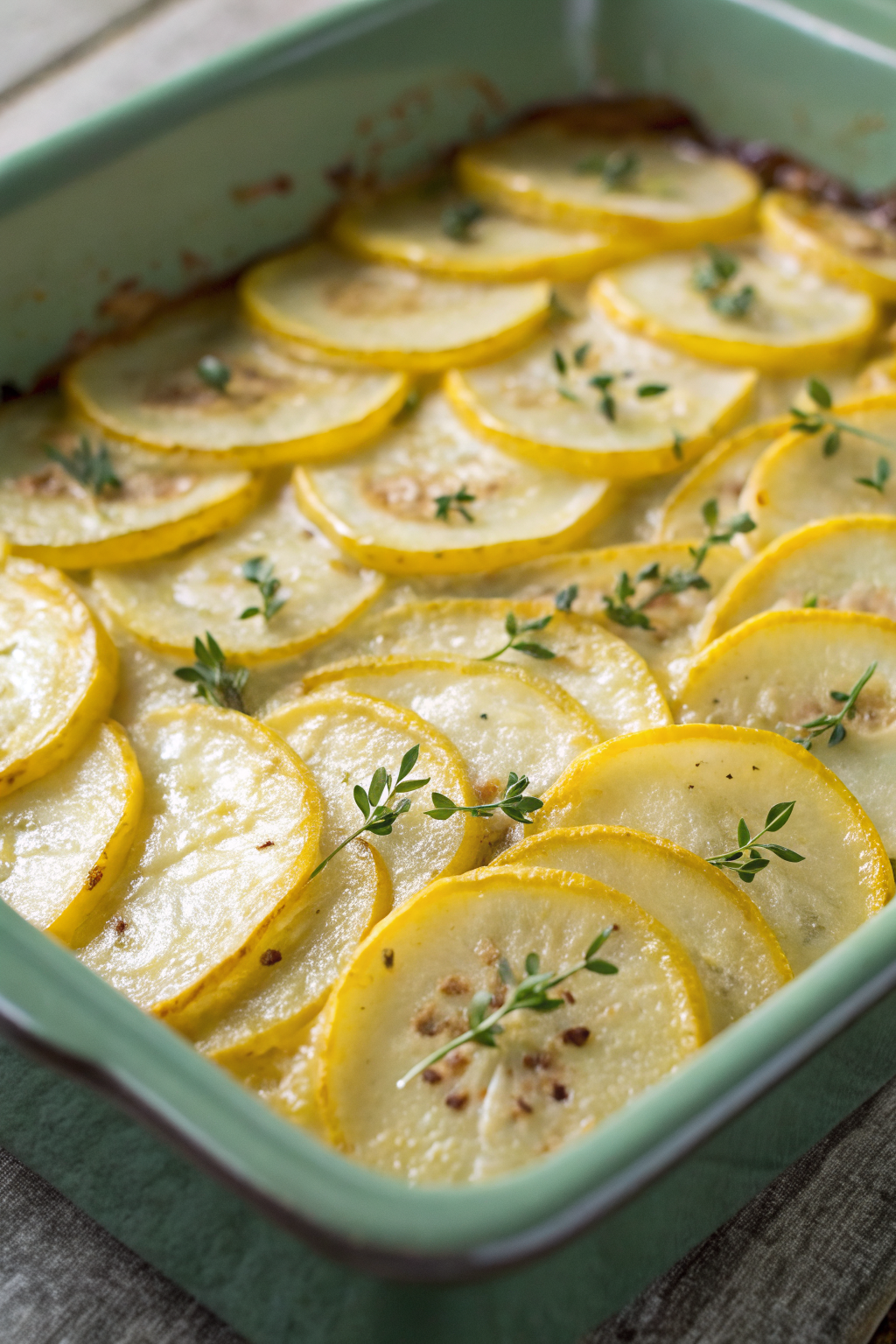
Sage Butternut Squash Gratin Recipe
Ingredients
Instructions
- Preheat the oven to 375°F (190°C) and lightly grease a 9x13-inch baking dish with butter or olive oil. Peel the butternut squash, remove the seeds, and slice it into thin half-moons or quarter-moons about 1/8 to 1/4 inch thick. Pat the slices dry with a clean kitchen towel if they seem very moist.
- Heat 2 tablespoons butter and 2 tablespoons olive oil in a large skillet over medium heat. Add the sliced onion and a pinch of salt, and cook, stirring, until soft and lightly golden, about 8 to 10 minutes. Stir in the minced garlic and cook for 1 minute more, just until fragrant. Add the chopped sage and cook for 30 seconds to 1 minute, then remove the skillet from the heat.
- In a mixing bowl or large measuring cup, whisk together the heavy cream and whole milk. Add the kosher salt, black pepper, nutmeg, half of the grated Parmesan, and half of the shredded Gruyère. Stir in about half of the onion-sage mixture from the skillet. Taste and adjust the seasoning with more salt and pepper if needed, and add red pepper flakes if using.
- Spread the remaining onion-sage mixture evenly over the bottom of the prepared baking dish. Arrange half of the squash slices in an even, slightly overlapping layer over the onions. Pour half of the cream mixture over the squash and gently tilt the dish so it spreads evenly. Sprinkle with half of the remaining Gruyère. Layer the rest of the squash on top, pour over the remaining cream mixture, and sprinkle with the remaining Gruyère.
- In a small bowl, combine the panko breadcrumbs, remaining Parmesan, melted butter, and 1 tablespoon olive oil. Stir until the crumbs are evenly coated and clumpy. If using nuts, fold them into the breadcrumb mixture. Sprinkle the topping evenly over the gratin, then cover the dish loosely with foil, tenting it so the foil does not touch the crumbs.
- Bake the gratin on the middle rack for about 30 minutes, until the squash begins to soften and the cream is bubbling around the edges. Remove the foil and continue baking for 20 to 25 minutes more, or until the top is deeply golden and the squash is very tender when pierced with a knife. If the topping browns too quickly, lay the foil back over loosely; if it is not browned enough, move the dish to the top rack for a few extra minutes.
- Remove the gratin from the oven and let it rest for 10 to 15 minutes so the sauce thickens and the layers set. Garnish with extra chopped or whole sage leaves if desired. Serve warm, scooped or cut into squares, enjoying the creamy center and crispy edges.
Notes
Approximate per serving (1 of 8): 320–360 calories; fat 24–28 g; saturated fat 14–16 g; carbohydrates 21–25 g; fiber 3–4 g; sugars 5–7 g; protein 8–11 g; sodium 480–620 mg. Values are estimates and will vary based on exact ingredients, brands, and portion sizes.
Leave a Reply