

Fresh Tomato Basil Marinara Sauce Recipe tastes bright, garlicky, and a little sweet from juicy tomatoes, and it fits busy weeknights because it comes together in about 45 minutes. This sauce works for anyone who loves simple Italian flavor and wants a fresher option than jarred marinara without spending all day at the stove. I first cooked a version of this in my tiny college apartment, and my smoke alarm still forgives me.
Why Make This Fresh Tomato Basil Marinara Sauce Recipe at Home
Homemade marinara gives you control over salt, sweetness, and texture, so the sauce fits your taste instead of the other way around. Fresh tomatoes and basil add a clean flavor that jarred sauces rarely match, and your kitchen smells like an Italian grandma moved in.
You also use up garden tomatoes or farmers’ market finds before they go soft. The recipe freezes well, so one relaxed cooking session sets you up for multiple fast dinners.
This Fresh Tomato Basil Marinara Sauce Recipe tastes fresher and richer than any jar on my shelf, and my family licks their plates clean every time ★★★★★
Ingredients You Need
Fresh ingredients
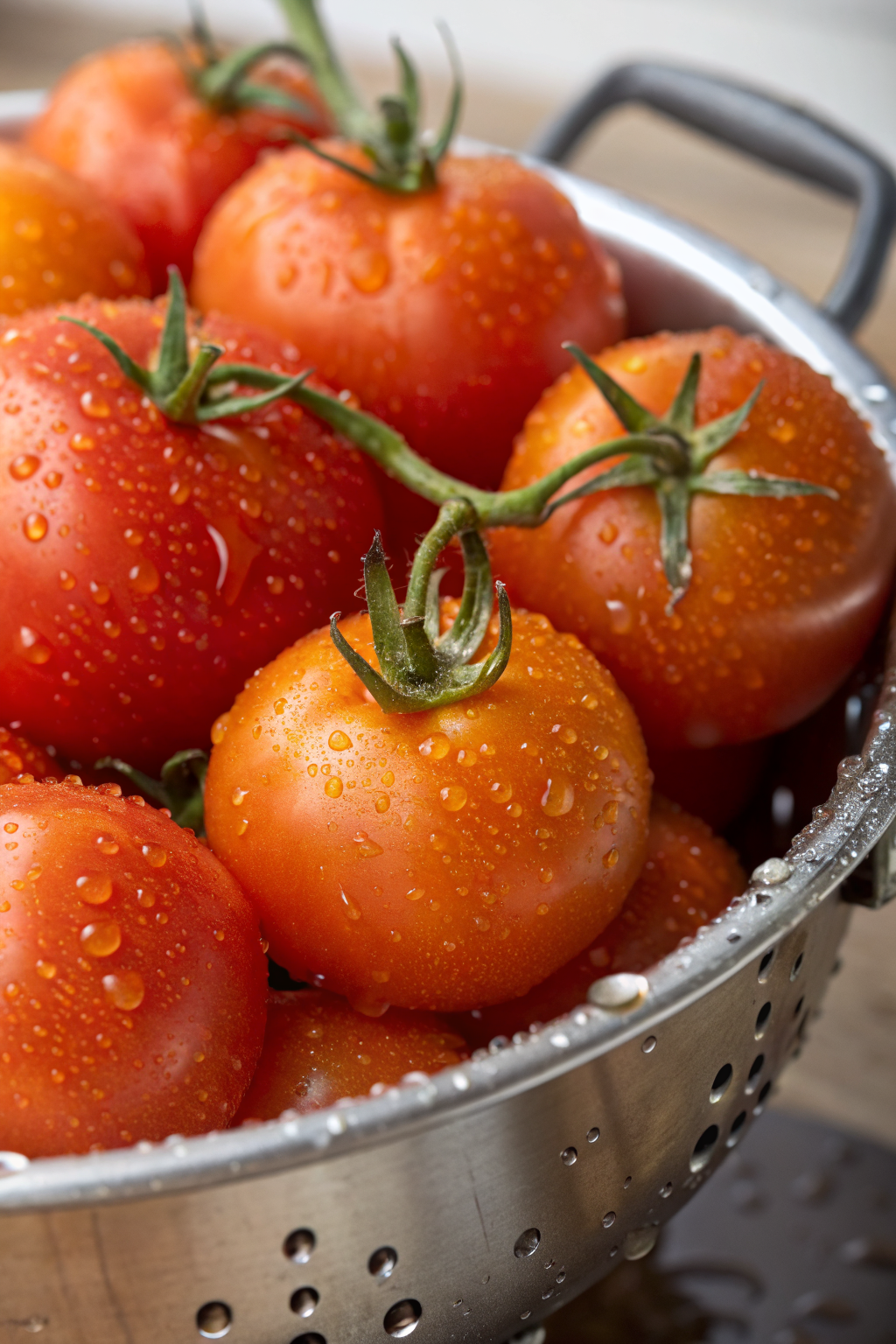
- Fresh ripe tomatoes, about 3 pounds
- Roma or plum tomatoes work best because they hold less water and give a thicker sauce.
- Use vine tomatoes or heirlooms if you have them; just cook a bit longer to reduce extra liquid.
- Yellow onion, 1 medium, finely diced
- Fresh garlic, 4 to 6 cloves, minced
- Fresh basil leaves, 1 packed cup, roughly chopped
- Fresh flat-leaf parsley, 2 tablespoons, chopped (optional but nice for brightness)
- Carrot, 1 small, finely grated
- This adds natural sweetness so you can skip sugar or use less.
- Celery stalk, 1 small, finely diced (optional, for a more classic Italian soffritto flavor)
Pantry ingredients
- Extra-virgin olive oil, 3 to 4 tablespoons
- Use a decent fruity brand; it really shows in a simple sauce.
- Tomato paste, 1 to 2 tablespoons
- This deepens the tomato flavor and adds body.
- Crushed red pepper flakes, 1/4 to 1/2 teaspoon
- Adjust for heat level; kids in the house usually prefer the lower amount.
- Dried oregano, 1 teaspoon
- Dried thyme or Italian seasoning, 1/2 teaspoon (optional)
- Kosher salt, to taste
- Freshly ground black pepper, to taste
- Sugar, 1/2 to 1 teaspoon, only if the tomatoes taste very acidic
- Water or low-sodium vegetable broth, 1/4 to 1/2 cup, as needed for consistency
Shortcut and substitution notes
- Use canned whole San Marzano tomatoes when fresh tomatoes sit out of season or lack flavor. Use two 28-ounce cans, crush them with your hands, and skip the peeling step.
- Replace fresh basil with 1 to 2 teaspoons dried basil if needed, but add it early in the cooking so it softens and flavors the sauce.
- Use pre-minced garlic from a jar in a pinch, but fresh cloves give a cleaner taste.
- Add a splash of good-quality jarred marinara if you run low on tomatoes; it blends in and stretches the batch.
Equipment list
- Large heavy-bottomed pot or Dutch oven
- Cutting board and sharp knife
- Box grater for the carrot
- Wooden spoon or silicone spatula
- Slotted spoon and large bowl for blanching tomatoes
- Medium pot for blanching and shocking tomatoes
- Blender or immersion blender, optional, if you want a smoother sauce
Tips & Mistakes
- Salt in layers: season the onions, then the tomatoes, then adjust at the end so the flavor tastes deep, not flat.
- Taste your tomatoes before you start; sweet, ripe ones need little or no sugar, while pale winter tomatoes often need that pinch.
- Avoid burning the garlic; cook it just until fragrant and pale gold, then add tomatoes so it does not turn bitter.
- Keep the heat at a gentle simmer; a hard boil can scorch the bottom and give the sauce a harsh taste.
- Stir every few minutes so the sauce does not stick, especially if you use a thinner pot.
- Do not rush the simmer; give the sauce at least 25 to 30 minutes so the flavors meld and the texture thickens.
- Skim extra watery liquid if your tomatoes release a lot, or cook uncovered longer to reach a rich, spoon-coating consistency.
- Add fresh basil near the end of cooking so it stays bright and fragrant instead of dull and dark.
- Cool the sauce before freezing; hot sauce in the freezer can form ice crystals and change the texture.
- Label your containers with date and portion size so you do not play freezer mystery later.
How to Make Fresh Tomato Basil Marinara Sauce Recipe
Step 1: Prep and peel the tomatoes
Bring a medium pot of water to a boil and set up a large bowl with ice water. Score a small X on the bottom of each tomato with a sharp knife.
Lower tomatoes into the boiling water for 30 to 60 seconds, just until the skins start to loosen. Move them to the ice water, then peel off the skins, core them, and roughly chop the flesh.
Step 2: Build the flavor base
Heat the olive oil in a large heavy pot over medium heat. Add the diced onion, grated carrot, and celery if you use it.
Season with a pinch of salt and cook 6 to 8 minutes, stirring often, until the vegetables soften and turn lightly golden. Add the minced garlic and crushed red pepper flakes, then cook 30 to 60 seconds until fragrant.
Step 3: Toast the tomato paste and herbs
Stir in the tomato paste and cook 1 to 2 minutes so it darkens slightly and tastes richer. Add dried oregano and any other dried herbs you use.
Mix well so the herbs and paste coat the vegetables and bloom in the hot oil. If the mixture looks too thick or starts to catch, splash in a tablespoon of water and stir.
Step 4: Add tomatoes and simmer
Add the chopped fresh tomatoes and any juices that collected on the cutting board. Stir everything together and season with another pinch of salt and a few grinds of black pepper.
Bring the sauce to a gentle simmer over medium heat, then lower the heat to medium-low. Let it bubble softly, uncovered, for 25 to 35 minutes, stirring every few minutes, until the sauce thickens and the tomatoes break down.
Step 5: Adjust texture and seasoning
Taste the sauce and check the acidity. If it tastes sharp, stir in 1/2 teaspoon sugar, taste again, and add up to another 1/2 teaspoon only if needed.
If you want a smoother marinara, use an immersion blender right in the pot and blend to your preferred texture, or transfer in batches to a blender and pulse carefully. Add a splash of water or broth if the sauce looks too thick, or simmer a bit longer if it looks too thin.
Step 6: Finish with fresh basil and parsley
Turn the heat to low. Stir in the chopped fresh basil and parsley.
Let the sauce cook 3 to 5 more minutes so the herbs perfume the pot without losing their color. Taste again and adjust salt, pepper, and chili flakes until the flavor makes you smile.
Step 7: Cool or serve
Turn off the heat and let the sauce sit for 5 to 10 minutes to settle. Use it right away with hot pasta, or cool it to room temperature if you plan to store it.
If you see a little olive oil pooling on top, stir it back in; that layer carries a lot of flavor.
Variations I've Tried
-
Roasted tomato basil marinara
Toss halved tomatoes with olive oil, salt, and pepper, then roast at 400°F until caramelized at the edges. Add them to the pot in place of raw tomatoes for a deeper, slightly smoky flavor. -
Chunky garden marinara
Add diced zucchini, bell pepper, and mushrooms with the onions. Keep the blending to a minimum or skip it so the sauce stays chunky and hearty. -
Spicy arrabbiata style
Double or triple the crushed red pepper flakes and add a pinch of smoked paprika. This version works great with simple spaghetti and a shower of parmesan. -
Creamy tomato basil marinara
Stir in a splash of heavy cream or half-and-half at the very end, just before serving. The cream softens the acidity and gives the sauce a velvety texture. -
Protein-packed marinara
Brown ground turkey or lean ground beef in the pot first, then remove it, build the sauce, and add the meat back in to simmer. This turns the marinara into a full meal with minimal extra effort.
How to Serve Fresh Tomato Basil Marinara Sauce Recipe
Serve this Fresh Tomato Basil Marinara Sauce Recipe over al dente spaghetti, penne, or your favorite gluten-free pasta, and top it with grated parmesan or pecorino. Spoon it over baked chicken cutlets for a lighter take on chicken parm without heavy breading. Use it as a dipping sauce for mozzarella sticks, garlic bread, or crispy roasted potatoes. Spread a thin layer on pizza dough, flatbreads, or English muffins for quick homemade pizza night.
How to store
- Cool the sauce to room temperature, then store in airtight containers in the fridge for up to 5 days.
- Freeze in labeled containers or freezer bags for up to 3 months; freeze in 1 to 2 cup portions for easy weeknight use.
- Reheat gently on the stove over low to medium heat, stirring often, and add a splash of water if it thickened too much.
- Reheat from frozen by thawing overnight in the fridge or warming straight from frozen in a covered saucepan over low heat while you stir occasionally.
Fresh Tomato Basil Marinara Sauce Recipe
Ingredients
Instructions
- Bring a medium pot of water to a boil and set up a large bowl with ice water. Score a small X on the bottom of each tomato. Blanch the tomatoes in the boiling water for 30 to 60 seconds, then transfer to the ice water. Peel off the skins, core the tomatoes, and roughly chop the flesh, saving any juices.
- Heat the olive oil in a large heavy-bottomed pot over medium heat. Add the diced onion, grated carrot, and celery if using. Season with a pinch of salt and cook, stirring often, for 6 to 8 minutes until the vegetables soften and turn lightly golden.
- Add the minced garlic and crushed red pepper flakes. Cook for 30 to 60 seconds, just until the garlic is fragrant and pale gold, not browned.
- Stir in the tomato paste and cook for 1 to 2 minutes until it darkens slightly and smells rich. Add the dried oregano and dried thyme or Italian seasoning if using, stirring so the herbs and paste coat the vegetables.
- Add the chopped tomatoes and their juices to the pot. Season with another pinch of salt and a few grinds of black pepper. Bring to a gentle simmer over medium heat, then reduce the heat to medium-low and let the sauce simmer uncovered for 25 to 35 minutes, stirring every few minutes, until the tomatoes break down and the sauce thickens.
- Taste the sauce and check the acidity. If it tastes sharp, stir in about 1/2 teaspoon sugar and taste again, adding a bit more only if needed. Adjust the consistency with a splash of water or vegetable broth if the sauce is too thick, or simmer longer if it is too thin. For a smoother sauce, blend with an immersion blender or carefully in a countertop blender to your preferred texture.
- Turn the heat to low and stir in the chopped fresh basil and parsley if using. Let the sauce cook for 3 to 5 minutes so the herbs perfume the sauce without losing their bright color. Taste and adjust salt, pepper, and red pepper flakes as needed.
- Turn off the heat and let the sauce rest for 5 to 10 minutes. Serve warm over pasta or your favorite dishes, or cool to room temperature before refrigerating or freezing.
Notes
Approximate per 1/2-cup serving (about 8 servings total): 80 calories; fat 5 g; saturated fat 1 g; carbohydrates 9 g; fiber 2 g; sugars 6 g; protein 2 g; sodium 260 mg. Values will vary based on brands, exact amounts, and portion size.
Leave a Reply