

Shrimp Pasta Recipe tastes rich, garlicky, a little buttery, and just bright enough from lemon to keep you going back for “one more bite.” It works well for busy weeknights, at-home date nights, or casual dinners with friends, and you can get it on the table in about 30 minutes. I’ve cooked some version of this dish since my early twenties, and it still saves my butt on nights when my brain checks out at 5 p.m.
Why Shrimp Pasta Recipe Is Worth It
Shrimp cooks in minutes, so this meal hits that sweet spot of “looks fancy, cooks fast.” The sauce clings to the pasta, the shrimp stay juicy, and the garlic-butter-lemon combo makes the whole kitchen smell like a cozy little bistro.
You also need just one pan and a pot, plus mostly pantry ingredients. That means less cleanup, easy shopping, and a shrimp pasta recipe that fits both weeknights and special occasions.
“This Shrimp Pasta Recipe tastes like restaurant comfort food but comes together faster than delivery—my family licked their plates clean. ★★★★★”
Ingredients You Need
Shrimp
- 1 pound large shrimp (21–25 count), peeled and deveined, tails on or off
- Frozen shrimp work great; thaw them overnight in the fridge or under cold running water.
- Wild-caught shrimp usually taste sweeter and firmer than farmed, but use what fits your budget.
Pasta
- 12 ounces pasta (spaghetti, linguine, fettuccine, or short pasta like penne)
- Use regular or whole-wheat pasta; both hold the sauce well.
- For gluten-free, choose a sturdy brown rice or chickpea pasta that doesn’t turn mushy.
Fats & Flavor Base
- 2 tablespoons olive oil (extra-virgin for best flavor)
- 3 tablespoons unsalted butter
- 4–6 cloves garlic, finely minced (use the jarred minced garlic in water if you need a shortcut)
- 1 small shallot, finely minced (or ¼ small yellow onion)
Liquids & Brightness
- ½ cup low-sodium chicken broth (or vegetable broth)
- Juice of 1 lemon (about 3 tablespoons), plus extra wedges for serving
- Zest of 1 lemon (zest before you juice)
Seasonings
- 1 teaspoon kosher salt, plus more for pasta water
- ½ teaspoon freshly ground black pepper
- ½–1 teaspoon crushed red pepper flakes (adjust for heat level)
- 1 teaspoon Italian seasoning or dried oregano + basil mix
Creamy Option (optional but tasty)
- ¼–½ cup heavy cream or half-and-half
- You can swap in full-fat canned coconut milk for a dairy-light version; it changes the flavor slightly but still tastes great.
Cheese & Herbs
- ½ cup freshly grated Parmesan cheese (avoid the green can here; it clumps)
- ¼ cup chopped fresh parsley or basil
Equipment
- Large pot for boiling pasta
- Large, wide skillet (12-inch) or sauté pan
- Tongs or pasta fork
- Microplane or small grater for lemon zest and Parmesan
- Colander
- Cutting board and sharp knife
Quick Tips & substitutions
- Salt the pasta water generously; it should taste like the sea so the pasta carries flavor.
- Pat shrimp very dry with paper towels so they sear instead of steam.
- Cook shrimp in a single layer and avoid crowding the pan to keep them juicy and browned.
- Pull shrimp off the heat as soon as they turn pink and curl into a loose “C”; a tight “O” means overcooked.
- Scoop out at least 1 cup of starchy pasta water before draining; it helps the sauce cling to the noodles.
- Use chicken broth plus a splash of cream cheese if you don’t have heavy cream.
- Swap Parmesan with Pecorino Romano for a sharper, saltier kick.
- Use gluten-free pasta and vegetable broth to keep the shrimp pasta recipe gluten-free.
- Skip red pepper flakes if kids dislike heat, or add them at the table instead.
- Toss in a bag of baby spinach or frozen peas at the end for a built-in veggie side.
How to Make Shrimp Pasta Recipe
Step 1: Boil the Pasta
Bring a large pot of water to a rolling boil and add a generous handful of kosher salt. Drop in the pasta and cook until just shy of al dente, usually 1–2 minutes less than the package suggests. Stir occasionally so the noodles don’t clump. Scoop out 1 cup of pasta water, then drain the pasta.
Step 2: Season and Sear the Shrimp
While the pasta cooks, pat the shrimp dry and place them in a bowl. Toss with 1 tablespoon olive oil, ½ teaspoon salt, ¼ teaspoon black pepper, and half of the red pepper flakes. Heat the remaining 1 tablespoon olive oil in a large skillet over medium-high heat until it shimmers.
Lay the shrimp in the skillet in a single layer. Sear 1–2 minutes per side, just until they turn pink and opaque and form a loose “C” shape. Move the shrimp to a plate and keep them nearby; they will finish in the sauce.
Step 3: Build the Garlic Butter Base
Turn the heat down to medium and add the butter to the same skillet. When the butter melts and foams, stir in the minced garlic and shallot. Sauté 1–2 minutes until the garlic smells fragrant and the shallot softens, but keep the garlic pale so it doesn’t taste bitter.
Sprinkle in the Italian seasoning and remaining red pepper flakes. Stir and let the spices toast in the butter for about 30 seconds. Scrape up any browned bits from the bottom of the pan; those bits carry tons of shrimp flavor.
Step 4: Add Broth and Lemon
Pour in the chicken broth and stir well. Add the lemon zest and lemon juice. Let the mixture bubble gently for 3–4 minutes so it reduces slightly and concentrates.
Taste the sauce and adjust with a pinch of salt or more lemon juice if needed. You want a bright, savory base that tastes a little stronger than you think you need, because the pasta will mellow it out.
Step 5: Make It Creamy (Optional)
If you want a creamy shrimp pasta recipe, lower the heat and pour in the heavy cream or half-and-half. Stir and let the sauce warm through for 2–3 minutes, but keep it just under a simmer so the dairy doesn’t curdle. The sauce should look glossy and lightly thickened.
If you skip cream, let the broth and lemon mixture reduce a bit more so it still clings nicely to the pasta. Either way, keep the sauce loose at this stage because the pasta and cheese will thicken it.
Step 6: Toss in Pasta and Shrimp
Add the drained pasta straight into the skillet with the sauce. Toss with tongs to coat every strand. Sprinkle in the Parmesan cheese and about ¼ cup of the reserved pasta water.
Add the cooked shrimp and any juices from the plate. Toss again over low heat for 1–2 minutes until the shrimp warm through and the sauce thickens and clings to the pasta. Splash in more pasta water as needed until the sauce looks silky and not gloppy.
Step 7: Finish and Serve
Turn off the heat and stir in the chopped parsley or basil. Taste and adjust salt, pepper, or lemon one last time. The dish should taste balanced: savory, garlicky, a little spicy, and bright.
Twirl the shrimp pasta recipe into bowls and top with extra Parmesan and herbs. Add lemon wedges on the side so everyone can squeeze more citrus if they like. Serve hot while the sauce still coats the noodles perfectly.
Recipe Variations
- Gluten-free: Use gluten-free pasta and check that your broth and seasonings list gluten-free on the label.
- Dairy-light: Skip cream and use just olive oil and a small knob of butter, or swap cream with a splash of coconut milk.
- No dairy: Use only olive oil, skip Parmesan, and finish with extra herbs and toasted breadcrumbs for texture.
- Extra veggies: Add cherry tomatoes, spinach, kale, asparagus, or zucchini during the sauce step.
- Spicy version: Add more red pepper flakes or a spoonful of Calabrian chili paste to the garlic butter.
- Protein boost: Toss in extra shrimp or add cooked chicken or turkey sausage slices.
- Low carb: Serve the shrimp and sauce over zucchini noodles or spaghetti squash instead of regular pasta.
Ways to Serve Shrimp Pasta Recipe
- Serve with a simple green salad with lemony vinaigrette.
- Add garlic bread or crusty baguette to soak up extra sauce.
- Pair with roasted broccoli, green beans, or asparagus on the side.
- Top with extra fresh herbs, lemon zest, and a sprinkle of red pepper flakes for color and heat.
- Pack leftovers in a thermos for a warm lunch at work or school.
Storage Success
Cool the shrimp pasta recipe to room temperature, then store it in an airtight container in the fridge for up to 3 days. Reheat gently in a skillet over low heat with a splash of water or broth so the sauce loosens and the shrimp don’t overcook. You can also reheat in the microwave in short bursts, stirring in between. I don’t suggest freezing this dish, because shrimp and pasta both change texture in the freezer and lose that just-cooked magic.
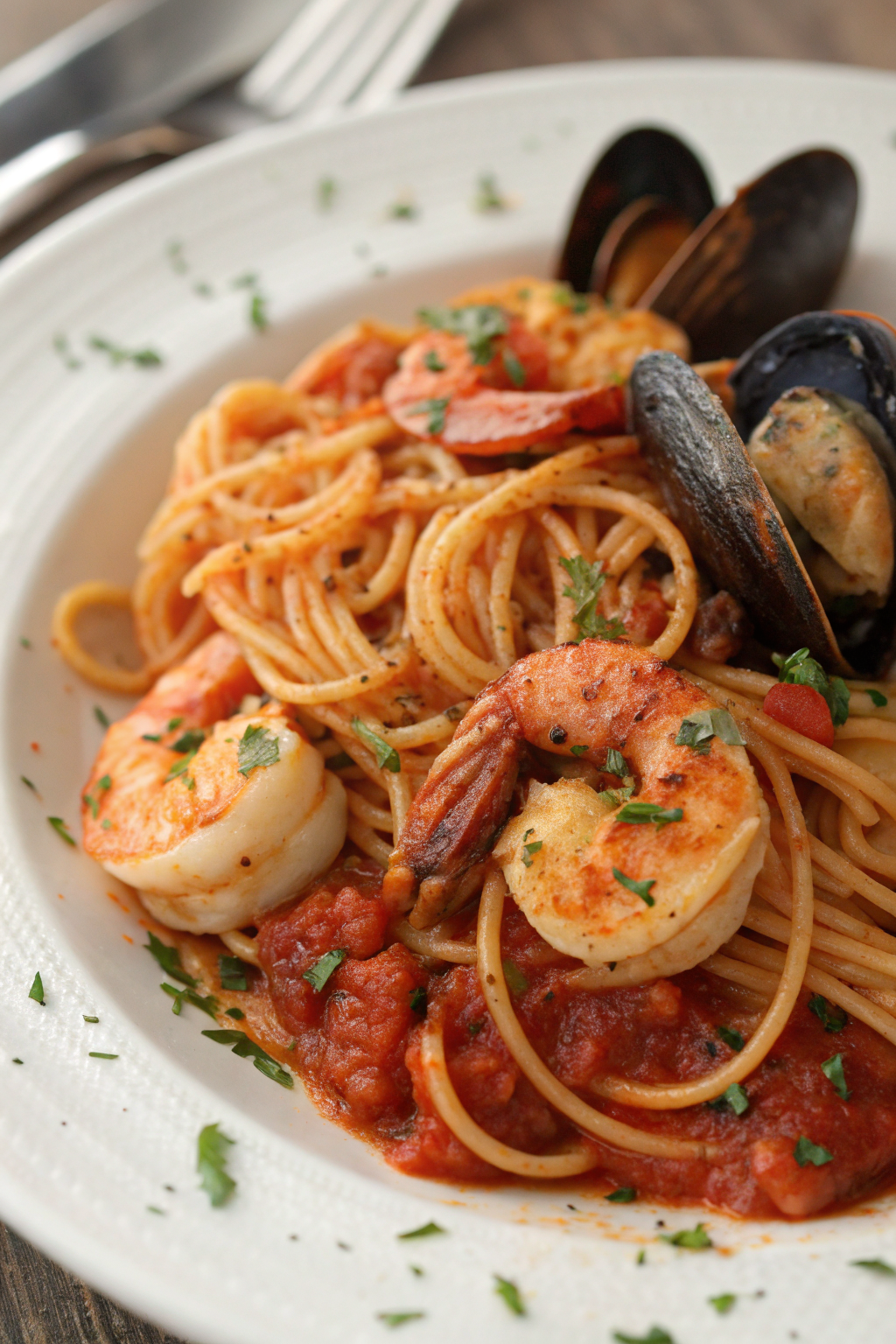
Shrimp Pasta Recipe
Ingredients
Instructions
- Bring a large pot of salted water to a boil. Cook the pasta according to package directions until al dente. Reserve 1/2 cup of the pasta water, then drain.
- While the pasta cooks, pat the shrimp dry and season with salt and black pepper.
- In a large skillet over medium heat, heat the olive oil and 1 tablespoon of the butter. Add the shrimp in a single layer and cook 1–2 minutes per side, just until pink and opaque. Transfer shrimp to a plate and set aside.
- In the same skillet, add the remaining 2 tablespoons butter, minced garlic, and red pepper flakes (if using). Sauté for 30–60 seconds until fragrant, being careful not to brown the garlic.
- Pour in the white wine or chicken broth and bring to a simmer. Cook 2–3 minutes, scraping up any browned bits from the bottom of the pan, until slightly reduced.
- Stir in the lemon juice, then add the drained pasta and cooked shrimp to the skillet. Toss to coat, adding a splash of reserved pasta water if the sauce seems dry.
- Remove from heat and stir in the Parmesan cheese and parsley. Taste and adjust seasoning with additional salt and pepper if needed.
- Serve immediately, garnished with extra Parmesan and parsley if desired.
Notes
Approximate per serving (1/4 of recipe): 520 calories; fat 20 g; saturated fat 9 g; carbohydrates 55 g; fiber 3 g; sugars 3 g; protein 32 g; sodium 720 mg. Values will vary based on brands, add-ins, and portion size.
Leave a Reply